
Humacyte wins FDA IND clearance for CTEV coronary bypass study

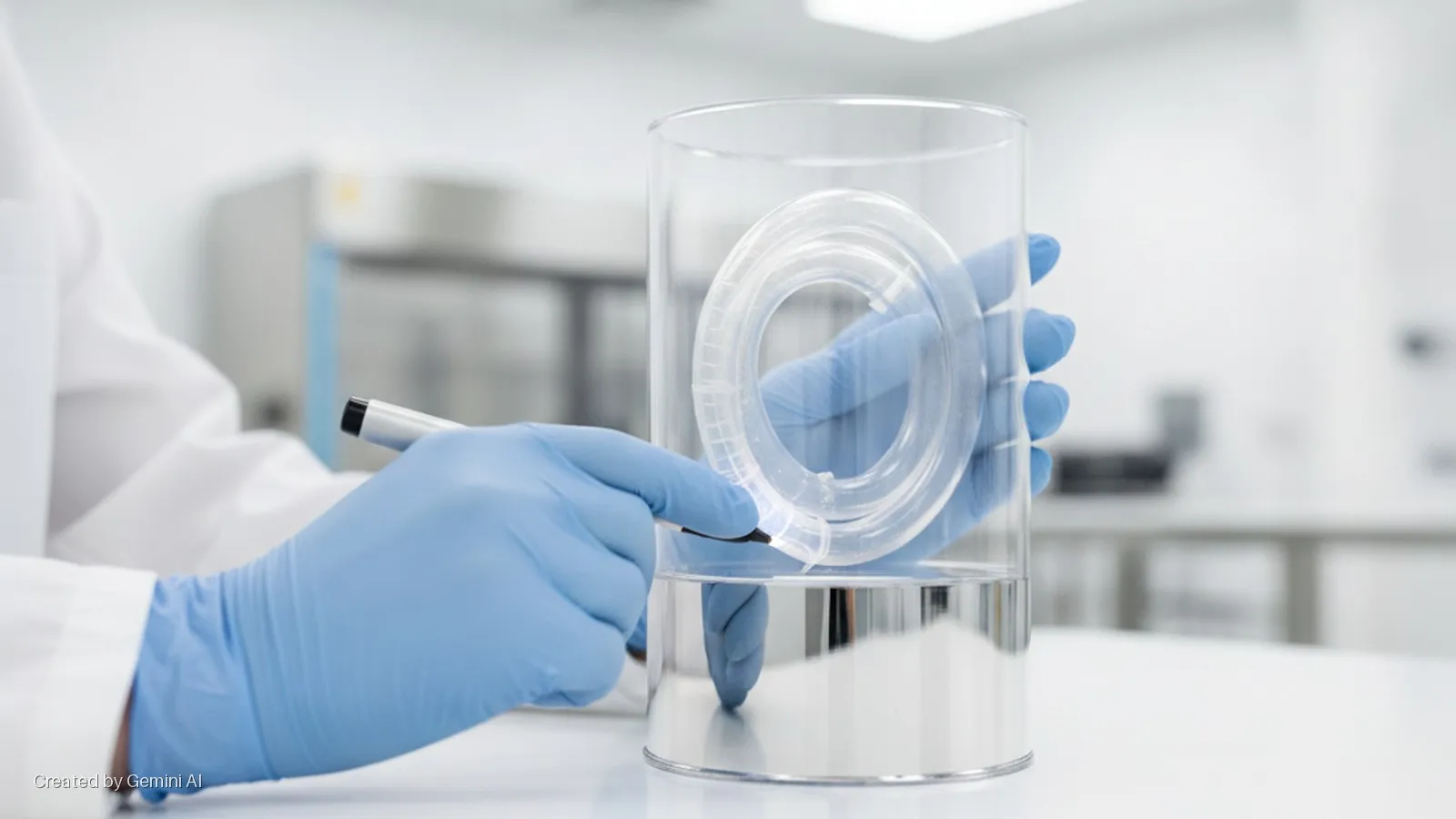
Humacyte has secured FDA acceptance of its Investigational New Drug application for a first-in-human clinical study of its coronary tissue engineered vessel (CTEV) in coronary artery bypass grafting (CABG). The Durham, North Carolina-based company said it expects to initiate the Phase 2a study before the end of the current quarter.
The study will enrol ten adult patients with coronary artery disease. The primary assessment is patency, meaning sustained blood flow through the implanted vessel, evaluated two months after implantation, with patient follow-up extending to three years. The FDA has approved the study design, which Humacyte has titled a "Phase 2a Study for the Evaluation of Safety and Efficacy" of the CTEV as a vascular conduit.
Clinical rationale and preclinical evidence
Humacyte founder and chief executive Laura Niklason said the IND clearance addresses a significant gap in surgical options. "No new off-the-shelf conduits have been introduced for CABG in the past 40 years," she noted, positioning the CTEV as a potential alternative to saphenous vein grafts, which are currently used in the majority of CABG procedures in the United States.
More than 400,000 coronary arterial grafts are placed annually in the US. The saphenous vein graft, the dominant conduit, carries well-documented limitations: patency rates at one year can be as low as 75%, and harvesting the vein from the patient introduces the risk of wound infection and other surgical complications. A proportion of patients lack adequate vein tissue altogether.
The CTEV is manufactured on the same production platform as Humacyte's FDA-approved acellular tissue engineered vessel (ATEV), which received Biologics License Application approval in December 2024 for extremity vascular trauma. Preclinical CTEV work was conducted in pig, sheep and baboon models; a six-month baboon study published in JACC: Basic to Translational Science reported sustained patency and recellularisation with host vascular smooth muscle and endothelial cells.
Market context and competitive landscape
The off-the-shelf vascular conduit space has attracted renewed attention as synthetic and biosynthetic alternatives have struggled to match autologous graft performance in coronary applications. Expanded polytetrafluoroethylene (ePTFE) grafts remain an option in peripheral vascular surgery but have not established a strong record in the more demanding coronary environment. Humacyte's acellular, human-cell-seeded approach is designed to allow host remodelling over time, which the company argues differentiates it from purely synthetic options.
Beyond the CTEV programme, Humacyte is running late-stage clinical work on the ATEV for arteriovenous access in haemodialysis and for peripheral artery disease, both of which carry the FDA's Regenerative Medicine Advanced Therapy designation. That portfolio breadth means the CTEV Phase 2a sits within a broader regulatory narrative: if the ATEV programmes generate positive readouts, they are likely to inform investor and regulator confidence in the underlying bioengineering platform ahead of any CTEV pivotal application.
The ten-patient Phase 2a is a small, safety-and-feasibility study by design, and results should not be interpreted as evidence of commercial readiness. A successful primary endpoint would, however, support the case for a larger efficacy study and provide the first human patency data for a bioengineered coronary conduit. Investors tracking the NASDAQ-listed company will be watching the enrolment timeline closely given the quarter-start commitment made in the release.