
Roivant's brepocitinib wins FDA approval for dermatomyositis

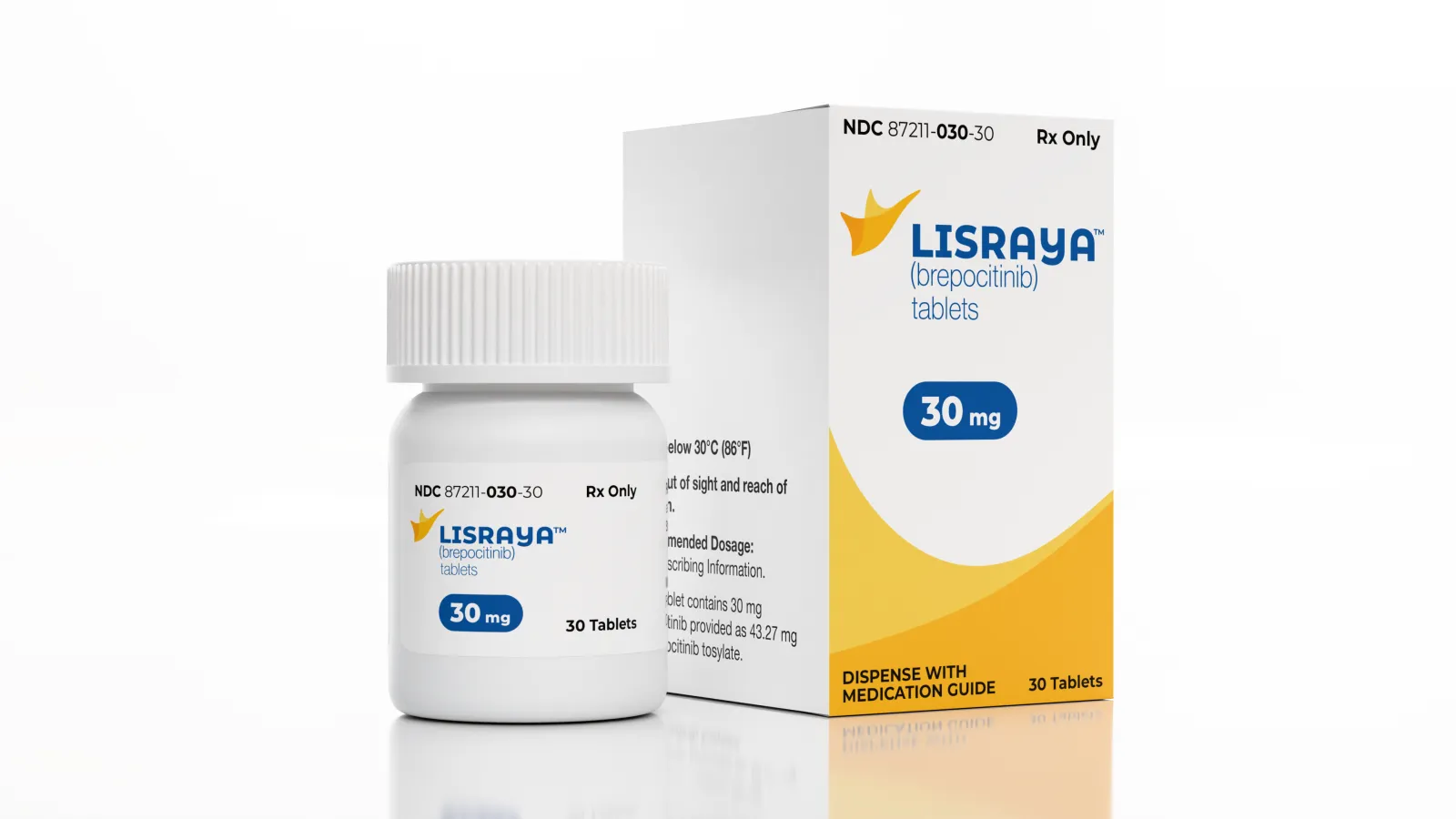
Roivant Sciences and its subsidiary Priovant Therapeutics have secured FDA approval for LISRAYA (brepocitinib) 30 mg, a once-daily oral TYK2/JAK1 inhibitor for adults with dermatomyositis (DM). The agency granted the approval on 27 August 2026, and the drug is available in the United States immediately through a network of specialty pharmacies.
Dermatomyositis is a rare systemic autoimmune condition marked by progressive muscle weakness, painful and pruritic skin lesions, and high dependence on chronic corticosteroids. Despite affecting patient quality of life significantly, the condition has been managed almost entirely through non-targeted approaches, including steroids, general immunomodulators, and intravenous immunoglobulin, for many decades.
The VALOR trial data
Approval was supported by the Phase 3 VALOR study, described by the company as the largest clinical trial ever conducted in dermatomyositis. The primary endpoint, the myositis Total Improvement Score, showed benefit as early as week four, with effects sustained through the 52-week study period. By the end of the study, 55% of patients receiving LISRAYA achieved both moderate or better improvement on the Total Improvement Score and minimal or no steroid use, compared with 30% on placebo.
Steroid-sparing results were particularly notable. Among patients on at least 7.5 mg per day of oral corticosteroids at baseline, 62% tapered to minimal or no steroid use by week 52, versus 38% on placebo; 45% came off steroids entirely, compared with 29% on placebo. Patients also reported more than four times as much subjective improvement in overall disease activity relative to those on placebo, and functional measures covering daily activities such as dressing and climbing stairs showed clinically meaningful benefit in the treatment arm while the placebo arm worsened.
Ruth Ann Vleugels, founding director of the Autoimmune Skin Disease Center at Mass General Brigham and professor of dermatology at Harvard Medical School, said: "For the first time, I am thrilled to be able to offer my patients a targeted, once-daily oral medicine that delivers meaningful benefit across muscle, skin, and overall disease activity while simultaneously reducing reliance on systemic corticosteroids."
Primary VALOR results were published in the New England Journal of Medicine in March 2026, with skin-specific secondary endpoints following in JAMA Dermatology in August 2026. The FDA had previously granted brepocitinib Priority Review and Orphan Drug Designation.
Market context and regulatory read-across
The approval carries broader significance for the JAK inhibitor class in autoimmune indications beyond rheumatology. Brepocitinib's dual TYK2/JAK1 profile distinguishes it from selective TYK2 inhibitors such as deucravacitinib, approved for psoriasis, and from pan-JAK inhibitors. The DM label includes a boxed warning covering serious infections, mortality, malignancy, major adverse cardiovascular events, and thrombosis, consistent with the class-wide safety requirements the FDA has applied to JAK inhibitors since its 2021 review of the tofacitinib safety data.
Roivant is developing brepocitinib across further autoimmune indications, including non-infectious uveitis, cutaneous sarcoidosis, and lichen planopilaris, all conditions where the company says patients have limited targeted options. Priovant's LISRAYA My Compass Support programme offers eligible patients co-pay assistance to as little as $0 per month. Roivant also holds IMVT-1402, an FcRn-targeting monoclonal antibody in development for IgG-mediated autoimmune diseases, and mosliciguat for pulmonary hypertension, suggesting the group is positioning itself as a specialist autoimmune and rare-disease platform rather than a single-asset story.