
Sernova wins FDA Orphan Drug tag for autologous islet transplant

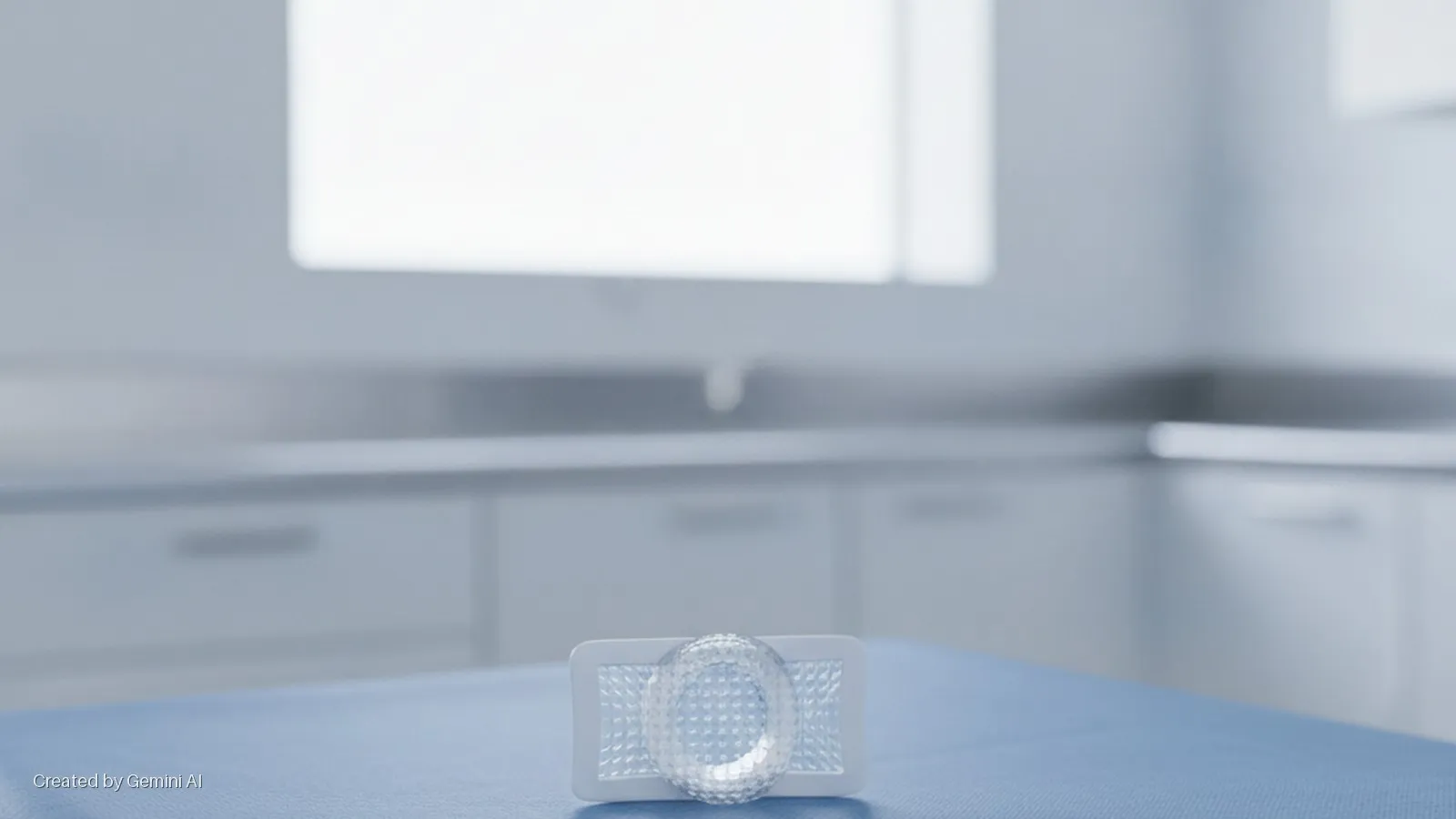
Sernova Biotherapeutics has received Orphan Drug Designation from the US Food and Drug Administration for autologous islet transplantation (AIT) as a means of preventing type 3c diabetes following total pancreatectomy. The Toronto and Boston-based clinical-stage company holds the designation for its proprietary Cell Pouch Bio-hybrid Organ, which is designed to support the engraftment and long-term survival of transplanted insulin-producing cells.
The clinical rationale is straightforward: patients who undergo total pancreatectomy to treat severe chronic pancreatitis lose all pancreatic endocrine function immediately after surgery, leaving them with a particularly difficult-to-manage form of insulin-dependent diabetes known as type 3c (T3cD). Sernova's proposed approach involves isolating the patient's own islet cells from the excised pancreas, loading them into the Cell Pouch, and reimplanting the device, sidestepping the need for immunosuppression that accompanies allogeneic islet transplantation.
Regulatory significance
Orphan Drug Designation is awarded by the FDA to therapies targeting conditions affecting fewer than 200,000 people in the United States. For Sernova, the designation brings a package of development incentives: seven years of market exclusivity upon potential approval, tax credits for qualifying clinical expenditure, and a waiver of certain FDA user fees if applicable criteria are met. The designation does not, however, constitute approval or guarantee that orphan drug exclusivity will ultimately be granted.
Jonathan Rigby, chief executive of Sernova, described the designation as providing the company "a potential exclusive lead position in preventing type 3c diabetes," while emphasising that the primary programme remains a functional cure for type 1 diabetes (T1D). A clinical trial using AIT in the Cell Pouch is in preparation, though no start date or trial size was disclosed.
Melena Bellin, Co-Director of the Total Pancreatectomy and Islet Autotransplant Programme at the University of Minnesota and a member of Sernova's Clinical Advisory Board, noted that reimplanting a patient's own islet cells into the Cell Pouch "has the potential to preserve insulin-producing cells following pancreatic surgery, without the use of immune suppressing therapies."
Market and competitive context
The T3cD space is relatively underpopulated compared with T1D, and Sernova's move positions it ahead of most device and cell-therapy developers who have focused almost exclusively on allogeneic or stem-cell-derived islet replacement. Conventional AIT, performed by infusing islet cells into the portal vein of the liver, is an established but imperfect technique: engraftment is variable and a significant proportion of patients still require exogenous insulin within five years. Sernova's Cell Pouch is positioned as an alternative engraftment site that may improve cell survival, though clinical data to support that advantage in this specific indication has not yet been published.
The broader islet-replacement field has attracted renewed attention as stem-cell-derived islet programmes from companies including Vertex Pharmaceuticals advance through clinical stages for T1D. For Sernova, the T3cD designation serves a dual strategic purpose: it de-risks a near-term clinical programme by overlapping mechanistically with the core T1D work, while securing a regulatory head-start in a narrower indication where competition is limited. Investors will be watching for a confirmed trial timeline and for early functional data from the Cell Pouch in both indications as the company moves into 2027.