
Eliaz Therapeutics opens Reg CF round to fund sepsis apheresis device

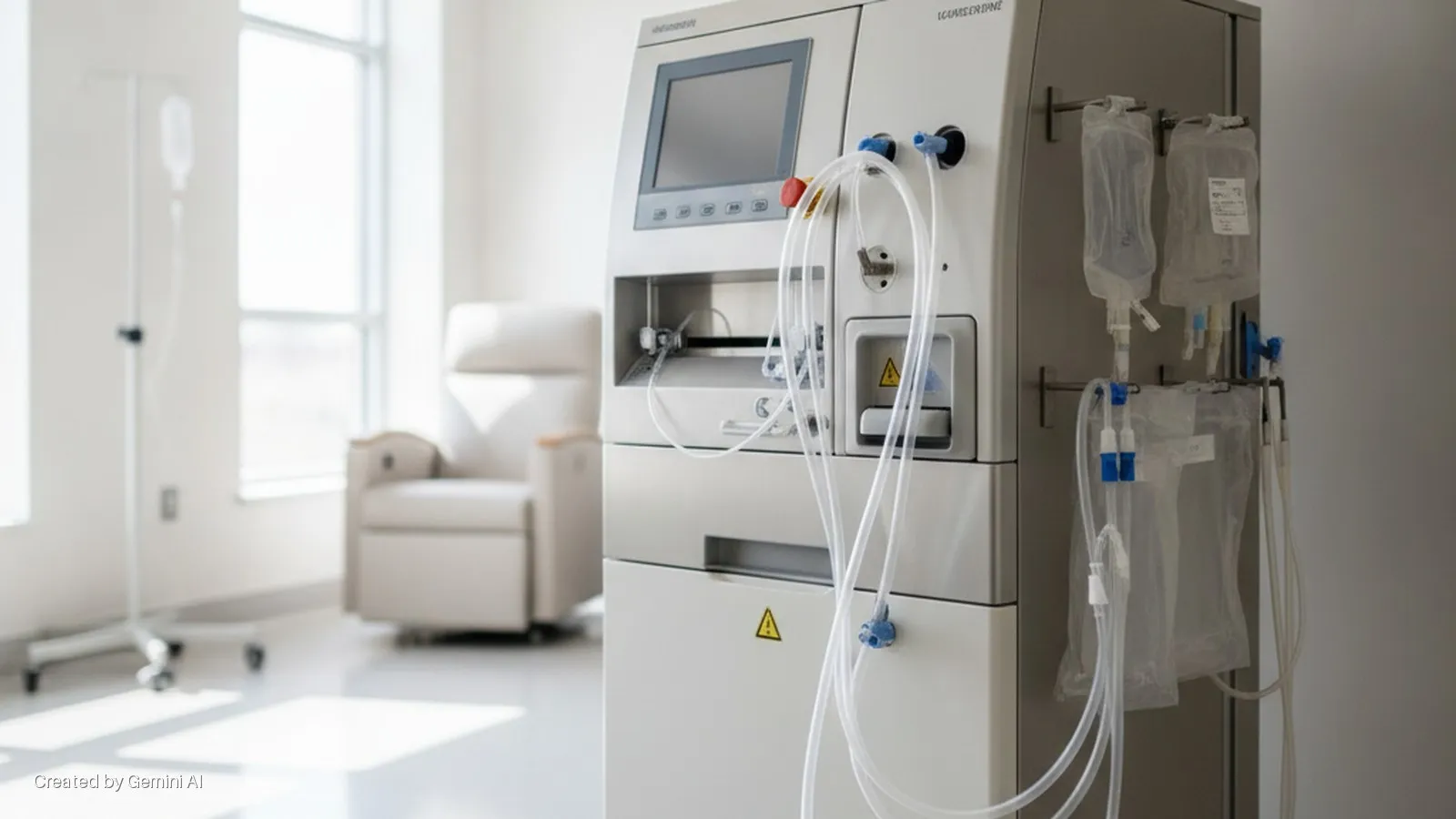
Eliaz Therapeutics has launched a Regulation Crowdfunding raise to advance XGal-3, its investigational apheresis device designed to selectively remove Galectin-3 from the bloodstream in sepsis patients. The Santa Rosa, California company says it will use the proceeds to fund GLP safety studies and its first-in-human clinical trials.
The raise follows a series of development milestones. The FDA granted XGal-3 Breakthrough Device Designation in the first quarter of 2025, a status intended to accelerate development and review of technologies addressing serious unmet medical needs. Eliaz has also secured $1.9 million in NIH grant funding for large animal safety work and entered a formal collaboration with Terumo BCT, one of the leading global suppliers of apheresis platforms, which will provide core equipment and disposables for pre-clinical and clinical programmes. Preclinical data demonstrating improved survival and inflammatory marker profiles in controlled animal sepsis models has been published in a peer-reviewed journal, where it appeared as a cover article. The company reports that over 1,700 investors have committed to the project across prior rounds, with $8 million raised to date.
The clinical rationale
Galectin-3 is a lectin protein that plays a role in inflammatory and fibrotic signalling. In sepsis, where uncontrolled immune activation drives multi-organ failure, Galectin-3 is thought to amplify the cascade that clinicians struggle to interrupt with existing supportive care. XGal-3 is designed to bind and extract the protein extracorporeally using an antibody-based matrix, on apheresis equipment already present in most intensive care units.
Founder and chief executive Isaac Eliaz said the device represents three decades of focus on Galectin-3 biology. "XGal-3 represents the culmination of that work, and this raise will help us to start our first-in-human trials," he said. Eliaz added that the crowdfunding round is open to public investors, an unusual financing model for a clinical-stage device company.
Market context and competitive landscape
Sepsis is responsible for approximately 11 million deaths each year globally and costs the US healthcare system an estimated $62 billion annually, according to figures cited by the company. Despite this burden, no FDA-approved therapy is specifically authorised to correct the underlying immune dysregulation of sepsis; treatment remains largely supportive. That regulatory gap explains the strategic appeal of the Breakthrough Device pathway, which can compress review timelines considerably.
The apheresis-in-sepsis space is not without competition. CytoSorb, developed by CytoSorbents, has received regulatory clearance in Europe and is widely used outside the US for cytokine reduction in critical illness, though it targets a broad cytokine profile rather than a specific protein. Eliaz's approach of targeting a single mediator, Galectin-3, is a more selective strategy, which may sharpen the clinical hypothesis but also raises the bar for demonstrating that removing this particular protein is sufficient to alter patient outcomes. Independent validation of the preclinical survival data in human trials will be the critical test.
Beyond sepsis, the company has flagged that Galectin-3 is implicated in liver and lung fibrosis, chronic kidney disease, heart failure, and certain cancers. The platform is positioned as potentially extensible across these indications, though XGal-3 remains a sepsis device for regulatory purposes at this stage.
A Reg CF raise carries statutory limits on the amount that can be raised and involves less institutional due diligence than a traditional venture round, which investors should weigh accordingly. First-in-human trial timelines and a target raise amount were not disclosed in the announcement.