
Endogenex completes 350-patient enrolment in ReCET diabetes device trial

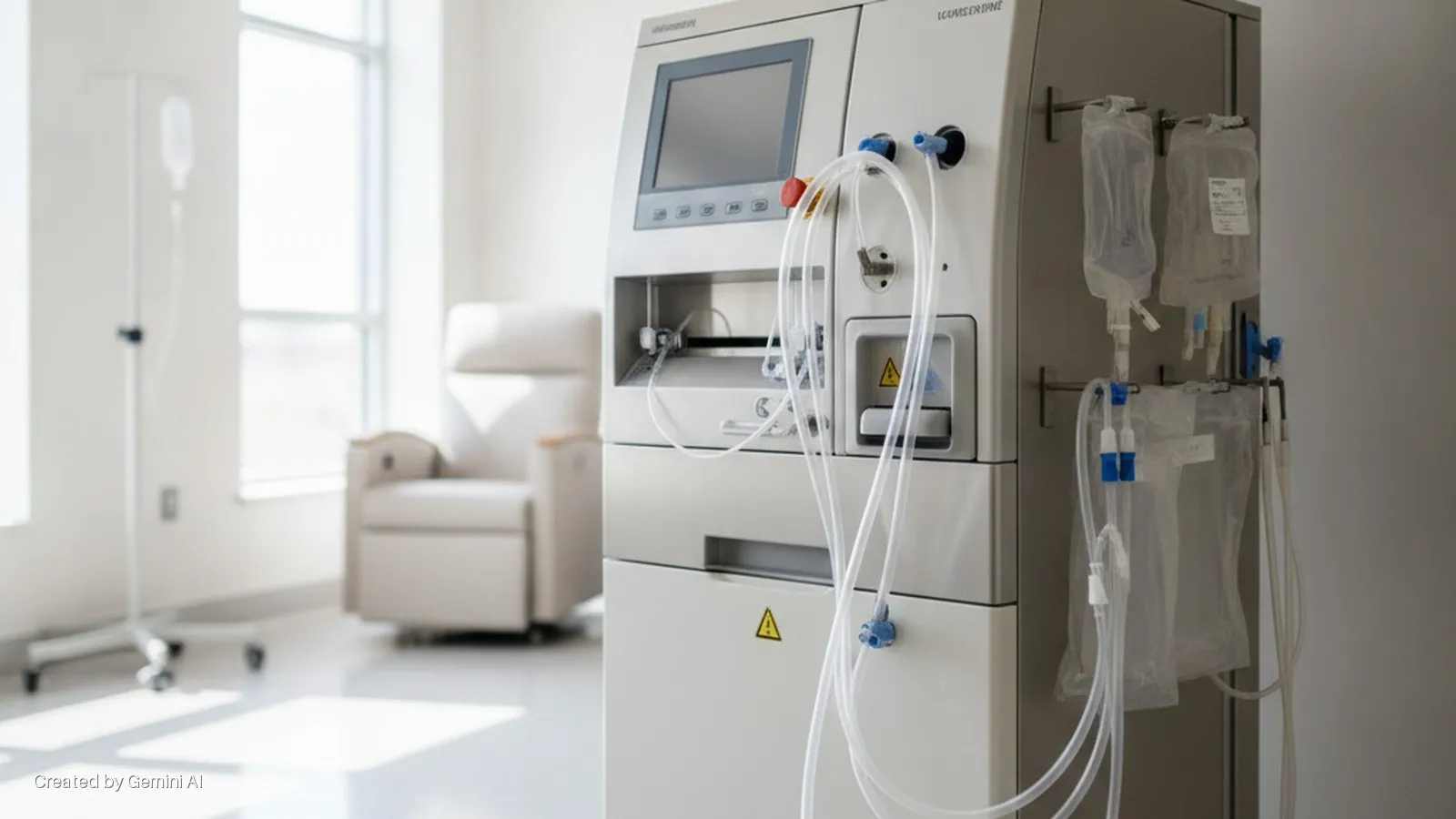
Endogenex, a Minneapolis-based clinical-stage medical device company, has completed enrolment in its ReCET Clinical Study, reaching a total of 350 patients across approximately 40 sites in the United States and Australia. The milestone marks a significant step for the company's endoscopic device, which targets duodenal tissue as an approach to improving glycaemic control in type 2 diabetes (T2D).
The ReCET study (NCT06267391) is a multicenter, prospective, randomised, double-blinded, sham-controlled trial assessing the safety and effectiveness of the Endogenex System in adults with T2D whose blood glucose is inadequately controlled on non-insulin glucose-lowering medications. The primary endpoint is the change in HbA1c from baseline at six months post-procedure. Secondary endpoints include the proportion of participants reaching HbA1c at or below 7.0% without rescue medication, time in range, total body weight loss, and adverse event incidence. All participants will be followed for 12 months, with those in the sham arm offered a crossover to the active procedure thereafter.
The technology and its scientific basis
The Endogenex procedure is an outpatient, endoscopic intervention that applies nonthermal pulsed electric fields to the mucosa and submucosa of the duodenum, with the aim of stimulating healthy cell regeneration and restoring metabolic signalling from the gut. The scientific rationale centres on the duodenum's role in blood glucose sensing and hormonal communication: the company's thesis is that duodenal inflammation and dysfunction may contribute to, rather than simply accompany, the pathology of T2D.
Feasibility data from the REGENT-1 US, REGENT-1 Australia, and EMINENT programmes provided the preclinical and early clinical basis for the ReCET design. Results from those studies have been published in the journal Diabetes, Obesity and Metabolism. The Endogenex System holds FDA Breakthrough Device Designation for T2D in adults inadequately controlled on glucose-lowering medications, and the study received Investigational Device Exemption (IDE) approval from the FDA in November 2023.
Co-principal investigator Barham Abu Dayyeh, of the Division of Gastroenterology and Hepatology at Cedars Sinai Medical Center, said the blinded, controlled design gives the field an opportunity to test the duodenal hypothesis at meaningful scale. "The results have the potential to open a new chapter in how clinicians approach the care of this disease," he said.
Market context and competitive landscape
The T2D device and interventional space has attracted growing interest as pharmacological management, while substantially advanced by GLP-1 receptor agonists and SGLT2 inhibitors, leaves a portion of the patient population with inadequate glycaemic control or intolerance to available agents. Endogenex chief executive Stacey Pugh specifically positioned the device as complementary to, rather than competitive with, GLP-1 and SGLT2 therapies, noting that "the gut has gone largely untreated" in conventional management pathways.
The endoscopic metabolic intervention space includes duodenal mucosal resurfacing approaches from other developers, as well as established bariatric and metabolic surgery procedures. However, device-based options targeting the duodenum without surgical resection remain relatively limited in terms of regulatory approvals, and no comparable sham-controlled randomised trial at this scale has yet produced a regulatory submission in this specific mechanism class.
With enrolment now closed, Endogenex will concentrate on patient follow-up through the six-month primary endpoint readout and the full 12-month observation window. Investors and clinicians will be watching for topline HbA1c data as the first substantive evidence from a properly controlled trial of this approach. A positive primary endpoint result would likely prompt a de novo or PMA submission to the FDA, given the Breakthrough Device pathway already in place.