
OraSure wins FDA EUA for second-generation OraQuick Ebola 2.0 test

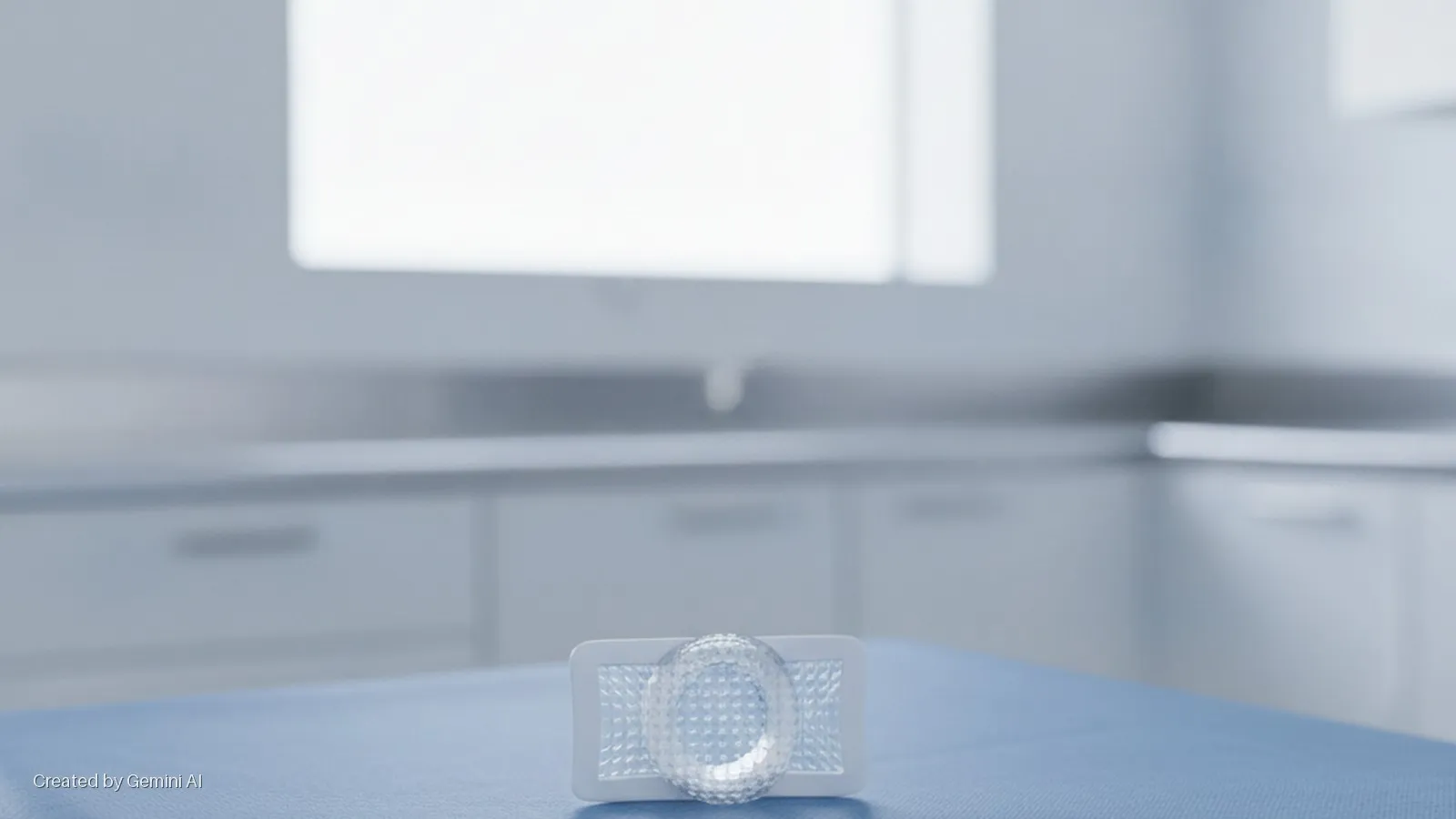
OraSure Technologies has received Emergency Use Authorisation from the US Food and Drug Administration for its OraQuick Ebola 2.0 Rapid Antigen Test, a second-generation point-of-care diagnostic capable of detecting all four Ebola virus species known to cause human disease: Bundibugyo, Zaire, Sudan, and Taï Forest. The authorisation covers use with whole blood in living patients and with cadaveric oral fluid, allowing the test to support both clinical triage and safe burial practices.
The timing is directly linked to an active outbreak. The current epidemic is centred in the Democratic Republic of the Congo, with cases extending into neighbouring Uganda. The World Health Organisation has declared a global public health emergency in response, and the outbreak is complicated by the dominance of the Bundibugyo virus, for which no approved vaccine or targeted treatment currently exists. OraSure said it is ramping up production to meet anticipated demand.
What is new in the 2.0 version
The original OraQuick Ebola Rapid Antigen Test received De Novo marketing authorisation from the FDA in 2019, making it the first rapid antigen test to achieve full regulatory clearance for Ebola detection. The second-generation device carries improved sensitivity, reformulated chemistry, and a more automated manufacturing process. Development was carried out in partnership with the Biomedical Advanced Research and Development Authority under a federal contract awarded in 2022 and funded through the US Department of Health and Human Services.
The test is a single-use qualitative immunoassay that detects antigens from viruses in the Orthoebolavirus genus. It does not differentiate between individual virus species. Results appear directly on the device within 30 minutes and require no instruments, batteries, smartphones, or laboratory infrastructure, which is critical for deployment in resource-limited settings where outbreaks typically occur.
Carrie Eglinton Manner, President and Chief Executive of OraSure, said: "This outbreak is particularly challenging due to the Bundibugyo virus, which has no approved vaccine or targeted treatment, reinforcing the critical need for rapid, accurate diagnostics that can detect this virus and support timely containment efforts."
Market and regulatory context
The EUA pathway, rather than a full pre-market approval, reflects both the urgency of the current outbreak and the established precedent for using the mechanism to accelerate access to diagnostics during declared public health emergencies. The FDA has used EUAs extensively since the COVID-19 pandemic to deploy tests at speed, and their use for Ebola tools is consistent with longstanding US biodefence and global health security policy.
OraSure occupies a relatively specialised position in the rapid diagnostics market. While the broader point-of-care diagnostics sector is crowded with large-scale players including Abbott, Roche, and bioMérieux, rapid Ebola-specific antigen tests represent a narrower segment where regulatory track record and field-validated performance matter more than price competition alone. OraSure's 2019 De Novo authorisation for the first-generation test gives it a regulatory head start that would take competitors years to replicate for this indication.
The BARDA partnership also underlines the importance of public-sector procurement in driving commercial viability for outbreak-response diagnostics. With the WHO emergency declaration in place, international procurement through agencies such as UNICEF and the Africa Centres for Disease Control and Prevention is likely to follow, which could translate into near-term volume for OraSure beyond the US market.