
Philips and Imricor launch combined cardiac iMR lab solution

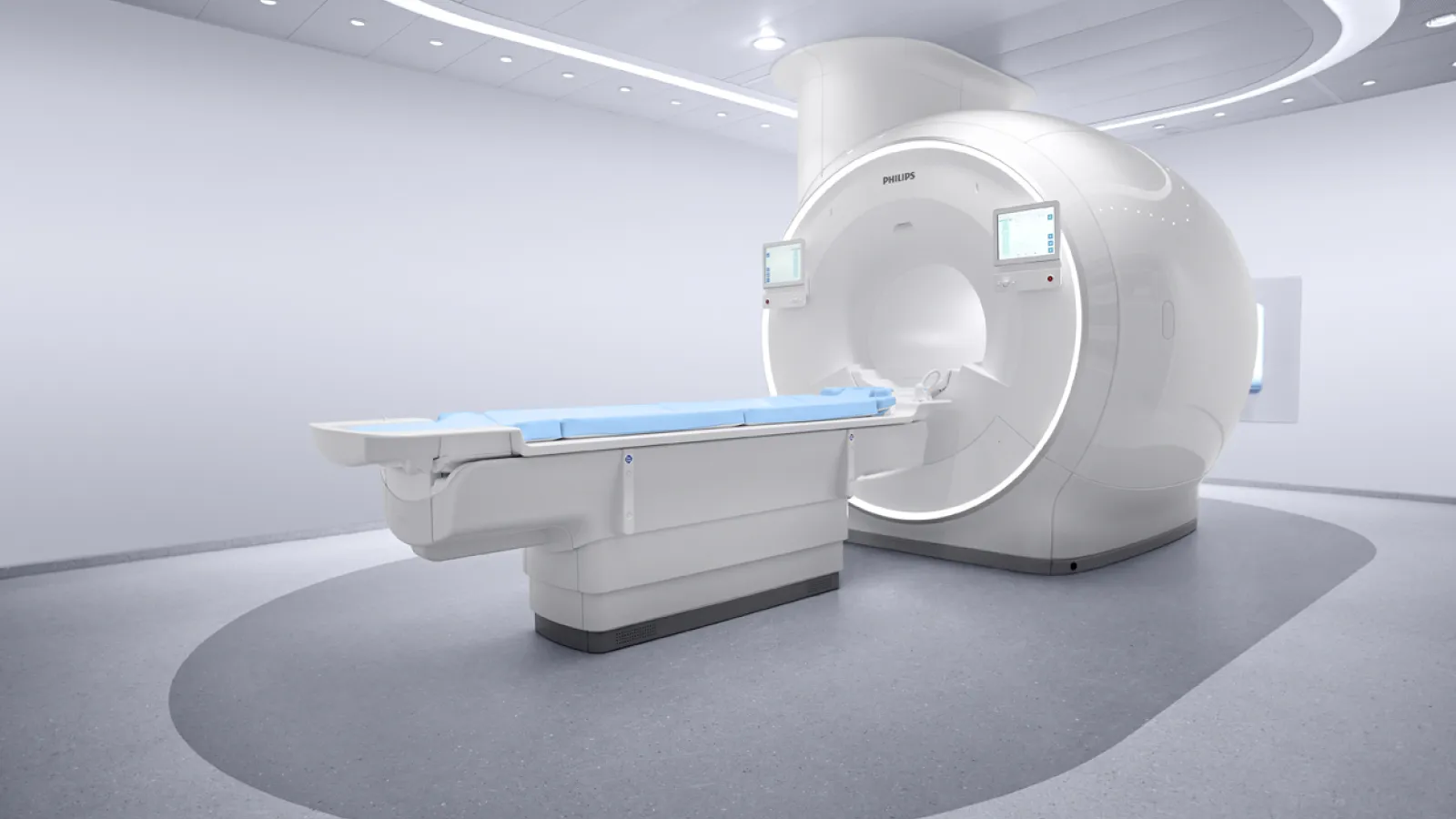
Royal Philips and Imricor Medical Systems have jointly launched a commercially available interventional MRI (iMR) lab solution designed to bring real-time MR guidance into cardiac catheter ablation procedures. The offering, unveiled at the ESC Congress in Munich on 27 August 2026, is available immediately in CE-marked markets and in certain configurations in the United States.
The combined system pairs Philips' 1.5T Cardiac MR Suite, which incorporates the company's SmartHeart AI-powered cardiac planning tools, with Imricor's NorthStar iMR mapping and guidance system, Advantage-MR EP Recorder/Stimulator, and Vision-MR family of electrophysiology catheters. Together the integrated stack allows physicians to visualise cardiac anatomy and arrhythmia substrate, track catheter position in real time, perform electroanatomical mapping, and evaluate lesion formation during a single procedure session, all within a radiation-free environment.
Philips has issued a Third-Party Product Compatibility Declaration for Imricor's equipment, and the MRI platform is built on Philips' BlueSeal helium-free magnet technology, which the company says reduces siting complexity and permits installation in proximity to existing cardiology departments rather than in a separate diagnostic imaging wing.
Clinical rationale
Catheter ablation is the standard-of-care intervention for a range of complex cardiac arrhythmias, but it has historically depended on X-ray fluoroscopy for procedural guidance. Fluoroscopy provides limited soft-tissue contrast and exposes patients and clinical teams to ionising radiation across what can be lengthy procedures.
MRI's superior tissue characterisation has long been seen as a theoretically attractive alternative, but the challenge of operating MR-compatible catheters and recording systems inside a high-field magnet has slowed clinical adoption. The new iMR lab is positioned by the companies as a turnkey solution to that integration problem.
Ioannis Panagiotelis, Business Leader for Magnetic Resonance at Philips, said: "Cardiac electrophysiology is just the beginning. This iMR lab solution represents an important step in Philips' strategy to advance MRI across the care continuum, creating a platform that can expand into additional clinical areas while helping clinicians deliver the best possible care for their patients."
Steve Wedan, founder and chief executive of ASX-listed Imricor, framed the launch as the realisation of a long-held industry ambition: bringing the MR scanner into the procedure room rather than adapting diagnostic suites for intervention.
Market context and competitive landscape
The interventional MR space for cardiac procedures is nascent but attracting sustained interest from both large imaging OEMs and specialist device companies. Siemens Healthineers has disclosed its own research interest in MR-guided cardiac intervention, and academic centres in Europe and North America have published feasibility work using a variety of MR-compatible catheter prototypes. The Philips-Imricor alliance is notable for being, to date, the most commercially developed configuration at 1.5T with regulatory clearance in major markets.
The regulatory picture for the full Imricor portfolio in the United States remains partial. NorthStar and the Vision-MR Diagnostic Catheter are cleared for US sale; other Imricor consumables are not yet approved, and the press release notes further US configurations are subject to regulatory clearance. This limits near-term revenue potential in the world's largest medical device market.
For Philips, the collaboration fits within a broader pivot toward image-guided therapy as a growth vector following the company's demerger of its consumer products arm. For Imricor, the partnership provides access to Philips' established hospital customer base and service infrastructure, a meaningful distribution advantage for a company with a market capitalisation well below that of its partner.
Near-term catalysts include clinical data from early adopter centres in Europe and any further FDA submissions covering the remaining Imricor product configurations.