
Dialybrid raises €15m Series A and achieves first-in-human implant

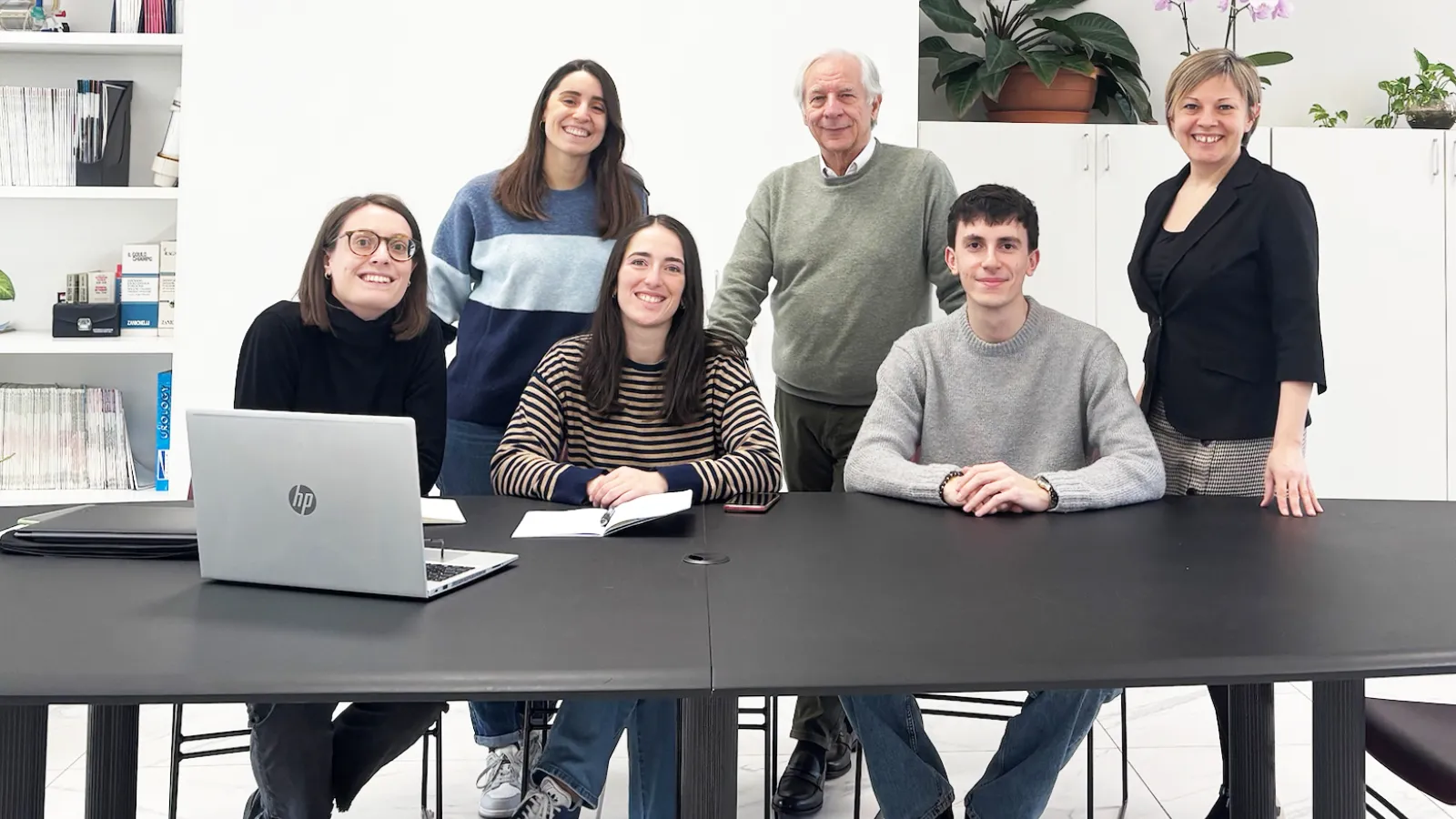
Dialybrid S.r.l. has closed a €15 million Series A financing round and reported the first successful patient implant of its Silkothane® Arteriovenous Graft, a hybrid vascular access device designed for patients with end-stage kidney disease requiring haemodialysis. The round was led by new investor XGEN Venture, with participation from CDP Venture Capital's Rilancio Fund.
The Cantù-based company will use the proceeds to advance the Silkothane® graft through its ongoing first-in-human (FIH) clinical trial and to fund preclinical development of the Silkothane® material platform in broader vascular applications.
The technology and the trial
Silkothane® is a patented hybrid material that combines silk fibroin, a bioresorbable protein that supports tissue remodelling, with polyurethane, a durable synthetic polymer. Dialybrid says the combination is designed to offer the fast cannulation and access times of conventional synthetic arteriovenous grafts (AVGs) while delivering the longer-term patency more typically associated with native arteriovenous fistulas (AVFs). The manufacturing process uses electrospinning, which the company says allows fine-tuning of mechanical properties.
The FIH study, an open-label, single-arm trial at four Italian centres, plans to enrol 18 adult patients. Coordinating principal investigator Prof. Matteo Tozzi, Director of the Vascular Surgery Department at ASST Sette Laghi and Professor at Insubria University, performed the first implant. Prof. Tozzi said he was "extremely satisfied by the ease-of-implant in the first patient ever," and suggested the graft could offer "shorter cannulation time than native fistulas and longer durability than commercially available grafts" if it performs as intended. Patients will be followed for up to 60 months, with interim analyses at six, 12, and 24 months.
Market context and competitive landscape
The unmet need in haemodialysis vascular access is well documented. More than half a million vascular access procedures are carried out annually across the European Union and United States. Published data cited by Dialybrid indicate that roughly 60% of synthetic AVGs and 40% of AVFs fail within the first year, a failure rate that creates significant clinical and economic burden for renal care programmes.
The vascular access device market is occupied by several established players offering both synthetic AVGs and biological grafts. Wholly synthetic polytetrafluoroethylene (PTFE) grafts remain the most widely implanted alternative to native fistulas, but their infection risk and relatively poor long-term patency have sustained commercial interest in next-generation solutions. A number of academic spin-outs and clinical-stage companies have explored bioengineered and decellularised vessel constructs as alternatives; Dialybrid's hybrid electrospun approach sits within this innovation wave, though the comparative evidence base remains to be built.
Francesco Giovanni Greco, Chairman and Chief Executive Officer of Dialybrid, said the company is developing Silkothane® to "address a strong unmet clinical need" by offering the full profile recommended in the KDOQI Clinical Practice Guideline for Vascular Access: adequate flow rates, ease of cannulation, cost-effectiveness, patient acceptability, and long-term patency.
Dialybrid's Chief Technology Officer Stefania A. Riboldi is scheduled to present at the LSI Europe '26 Emerging Medtech Summit in Barcelona on 29 September, with a panel discussion on 30 September alongside XGEN Venture's Luca Porro, a board member of Dialybrid. The next meaningful clinical readout will be the six-month interim analysis, which will provide the first structured safety and performance data from the FIH cohort.