
Precision Neuroscience closes $250m Series D for BCI expansion

Precision Neuroscience has closed a $250 million Series D financing round, bringing its total raised to $430 million since the company was founded in 2021. The round was co-led by Pershing Square Inc., the Ackman Oxman Institute, and an undisclosed life sciences fund, with additional participation from a notably diverse group of investors including the Duquesne Family Office, ARK Invest, Mubadala Capital, B Capital, Invus, Mirae Asset Capital, Korea Investment Partners, and Hitachi Ventures. The company said the round was oversubscribed.
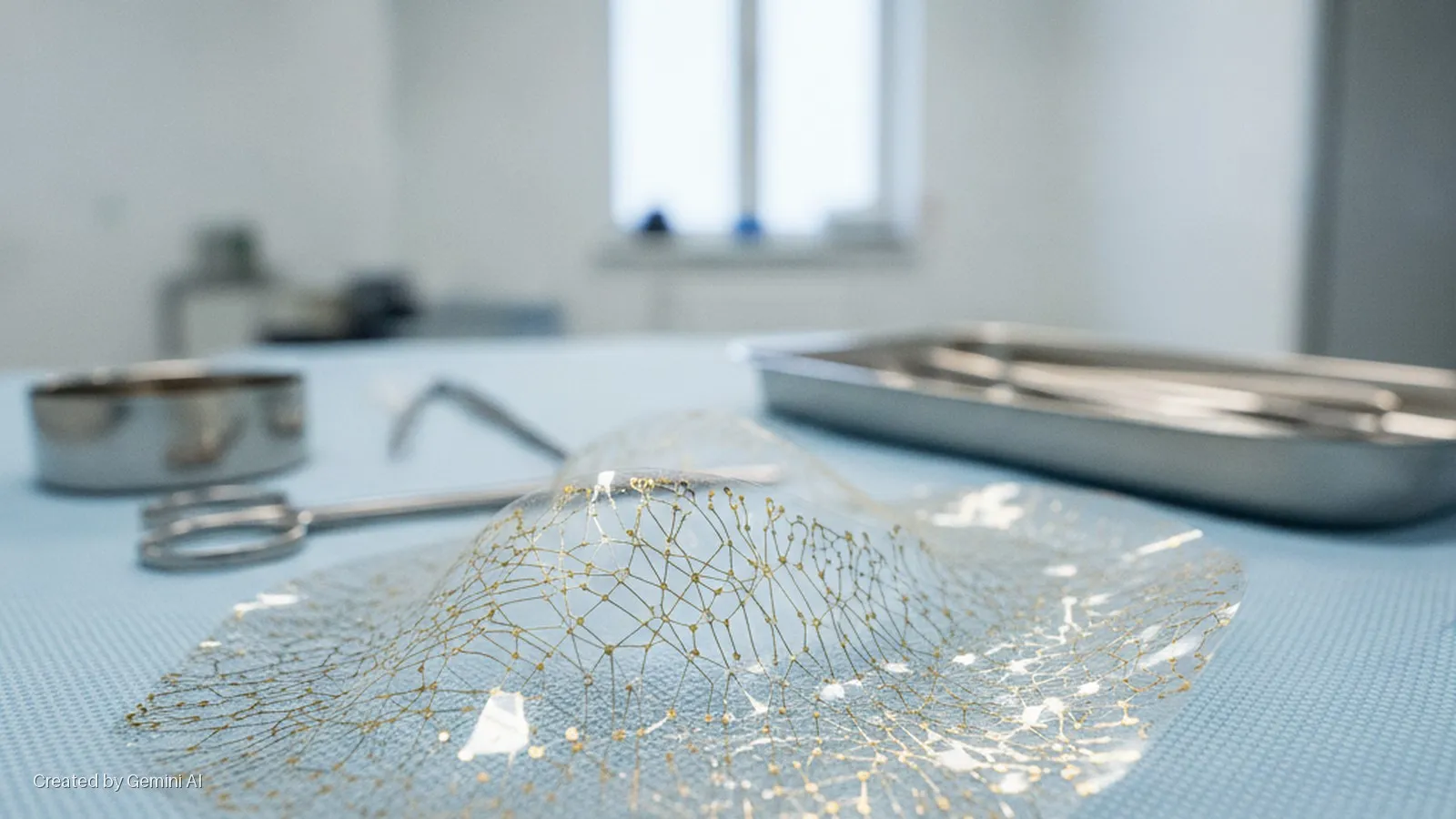
Precision is developing a brain-computer interface built around its Layer 7 Cortical Interface, a thin-film electrode array designed to be minimally invasive, high-bandwidth, and safely removable. The device has received FDA clearance, and the company says it has now completed more than 100 patient procedures across 18 major medical institutions, including the Perelman School of Medicine at the University of Pennsylvania, the University of Chicago Medicine, and the Mount Sinai Health System.
What the funding will support
Proceeds will be used to expand Precision's clinical programme, advance the Layer 7 device through further FDA review stages, and build out the commercial infrastructure needed for a broader market launch. The company already operates a wholly owned MEMS manufacturing facility in Texas, which it says gives it end-to-end control of its electrode arrays.
Precision also highlighted a commercial partnership with Medtronic, positioning the collaboration as an industry first that integrates its cortical interface technology with an established neurosurgical delivery platform. Additional validation comes from peer-reviewed research, including a study published in Nature Biomedical Engineering and a University of Pennsylvania motor cortex mapping study that used high-resolution Layer 7 recordings across 4,096 electrodes.
Michael Mager, co-founder and chief executive, said the company had "built the clinical network, regulatory position, and manufacturing base that leadership in this field requires" and stressed that safety and long-term institutional partnerships were central to its product strategy.
Market context and competitive landscape
The BCI sector has attracted significant investor attention over the past three years, shaped largely by Neuralink's profile and a growing body of clinical evidence from academic programmes such as BrainGate. Precision's Series D underscores a broader shift in how institutional capital views neurotechnology: the round's investor base spans sovereign wealth (Mubadala Capital), crossover public-market funds (ARK Invest), and strategic corporate venture (Hitachi Ventures), a combination more typical of late-stage medtech than early neuroscience.
The competitive landscape remains relatively concentrated. Synchron, which uses an endovascular delivery approach, is the principal clinical-stage comparator. Neuralink continues to advance its fully implanted device and has reported early human data. Precision's positioning centres on a differentiated form factor that sits between surface electrodes and deep implants, as well as its removability claim, which it argues lowers the barrier for surgical adoption.
The appointment of Dr John Donoghue, founder of BrainGate and a 2026 Queen Elizabeth Prize for Engineering laureate, as a scientific adviser adds academic credibility to the company's regulatory and clinical narrative. Investors will be watching for Precision's next FDA filing milestone and whether the Medtronic partnership translates into a defined commercial distribution agreement in the near term.