
Traferox X°Port Heart wins FDA 510(k) clearance for transplant use

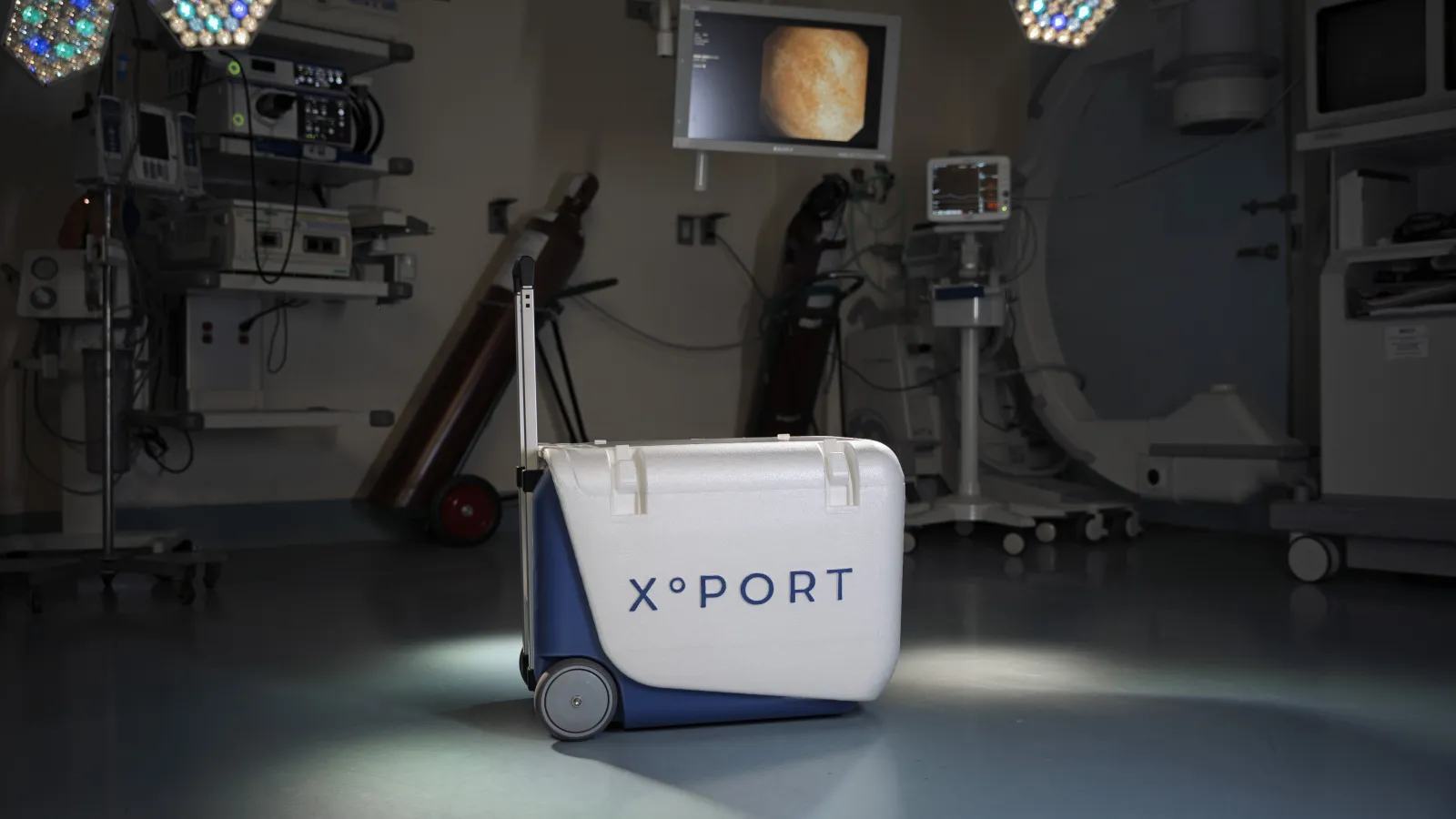
Traferox Technologies has received 510(k) clearance from the US Food and Drug Administration for the X°Port Heart Preservation System, a static cold-storage device that maintains donor hearts at 4–10°C for up to four hours during transport prior to transplantation. The Mississauga-based company said it will now begin making the technology available to transplant centres across the United States.
The clearance is supported by two peer-reviewed studies published in 2026. Research led by Ahmad et al., published in The Journal of Heart and Lung Transplantation, reported that 10°C static cold storage was associated with improved early outcomes and broader donor utilisation compared with conventional ice storage. A separate multicentre study by Williams et al., published in Circulation: Heart Failure, found that 10°C preservation outperformed storage at 4–8°C on measures of early graft function, including data drawn from programmes at Vanderbilt University Medical Center and Duke.
Clinical evidence and early adoption
Vanderbilt, described by Traferox as the largest heart transplant centre in the US, has completed more than 150 procurements using 10°C preservation and has made it the institutional standard. Ashish Shah, Surgical Director of Vanderbilt's heart transplant programme, said the approach had changed how his team handles donor heart preservation. Shah is also disclosed as a strategic adviser to Traferox, a relationship readers should weigh when assessing the quoted endorsement.
The X°Port Heart launch follows the US commercial release of X°Port Lung in the third quarter of 2025. Traferox reports that seven of the ten highest-volume US lung transplant centres, and more than half of all US lung programmes, have adopted that earlier device. The company's portfolio also includes the TorEx Lung Perfusion System, a machine perfusion product for lung assessment. Together these products position Traferox as a multi-modality player in the organ preservation segment rather than a single-product company.
Market context and competitive landscape
The organ preservation technology market has attracted increasing commercial and clinical interest as transplant programmes face pressure to expand the pool of usable donor organs, particularly those from extended-criteria donors. Static cold storage at sub-optimal temperatures has historically been the standard, but a growing body of evidence has prompted centres to revisit temperature parameters.
Traferox competes in a space where machine perfusion has become a significant area of investment, with companies such as TransMedics and XVIVO Perfusion offering normothermic and hypothermic machine perfusion systems for the heart and lung respectively. The X°Port approach is notably distinct: it does not involve active perfusion, positioning it as a lower-complexity and potentially lower-cost alternative to machine perfusion, though comparative data against those systems was not presented in the clearance announcement.
Chief Executive Rick Mangat said the FDA clearance was an important milestone for the continued advancement of 10°C preservation, while President Joe Kletzel framed the device as part of a broader vision to provide transplant programmes with clinically grounded, practically integrated solutions.
The regulatory path for X°Port Heart used the 510(k) substantial-equivalence route rather than a full pre-market approval, reflecting the device's classification as a static cold-storage system. The indicated use is limited to four hours of preservation with a del Nido or equivalent cold storage solution. No contraindications are currently listed in the labelling.