
Cardiawave begins routine EU rollout of Valvosoft aortic stenosis device

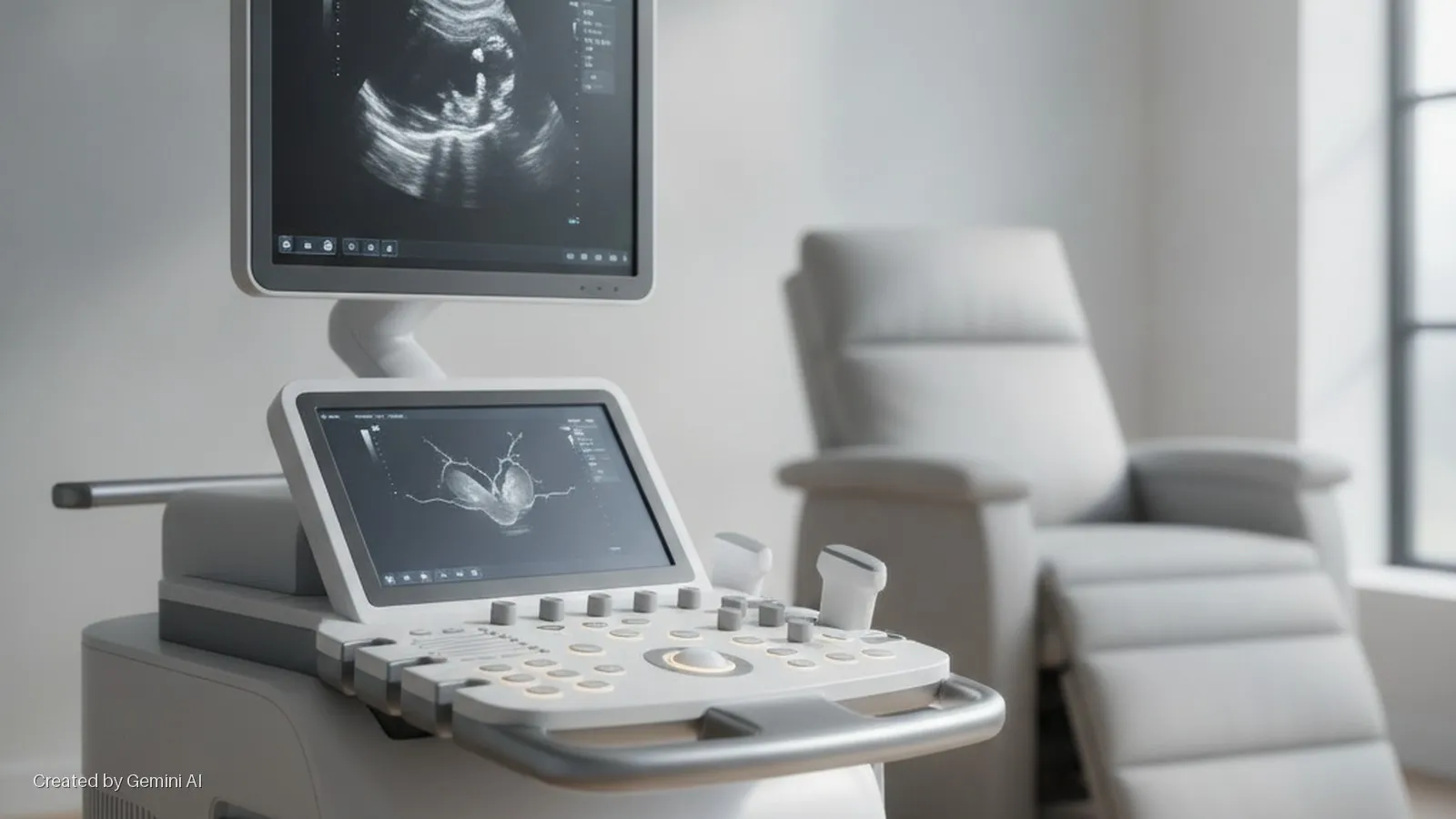
Cardiawave has begun routine clinical deployment of Valvosoft in Europe, treating the first patients outside a trial setting in France, the Netherlands, and Germany since the device received CE marking at the end of 2025. The milestone marks the commercial launch of what the company describes as the first non-invasive technology designed to repair, rather than replace, a severely calcified aortic valve.
Valvosoft uses high-intensity focused ultrasound pulses to fragment calcifications on the valve leaflets, restoring valve mobility and improving haemodynamic performance without surgery, implantation, or general anaesthesia. The technology is positioned for patients in whom transcatheter aortic valve replacement (TAVR) or surgical aortic valve replacement (SAVR) is either contraindicated or declined by the patient. Several systems have been placed into clinical use since May 2026, with a progressive rollout across multiple hospital centres planned for the remainder of the year.
Clinical evidence and patient need
Twelve-month data from the Valvosoft First-in-Human study and a subsequent pivotal study, presented at EuroPCR 2025, covered 100 patients treated across 12 European centres. Results confirmed feasibility, safety, and improvement in cardiac function and quality-of-life outcomes. The company has not yet published full peer-reviewed data from those studies, and independent validation in larger, longer-duration cohorts will be required before the wider cardiology community can draw firm conclusions about durability of effect.
The target population is substantial. Aortic stenosis affects around 2% of people over 65 and approximately 12.4% of those over 75, according to published epidemiological data cited by the company. Without intervention, median life expectancy in severe symptomatic disease is reported at around 2.3 years. Cardiawave estimates an immediate addressable population of roughly 300,000 patients in Europe and the United States who are ineligible for or unwilling to undergo valve replacement, with a longer-term opportunity extending to several million patients with moderate disease.
Professor Emmanuel Messas, an interventional cardiologist at HEGP (AP-HP) and a clinical investigator on the studies, said: "Valvosoft introduces a unique approach: restoring the mobility of the native valve without surgery or implantation. Clinical study results obtained in 100 patients confirm the feasibility, efficacy, and safety of this non-invasive therapy for patients who previously had no therapeutic option available."
Expansion plans and financing
Cardiawave is targeting further European distribution agreements across the UK, Middle East, and India, and is preparing a US Investigational Device Exemption (IDE) application to initiate American clinical trials. The company has also launched a financing round to fund Valvosoft manufacturing scale-up, ongoing clinical work, and development of additional therapeutic applications beyond aortic stenosis, though it did not disclose a target raise or expected close date.
The competitive landscape for aortic stenosis remains dominated by transcatheter valve replacement platforms from large-cap medtech players. Valvosoft occupies a different niche, addressing patients who cannot receive those devices, rather than competing directly for the same referrals. That positioning could prove durable if clinical data supports sustained haemodynamic benefit over one to two years; the risk is that improved patient selection criteria or lower-profile TAVR techniques eventually narrow the ineligible population Cardiawave depends upon. Investors and clinicians will look to forthcoming peer-reviewed publications and the IDE trial design for clearer signals on both durability and commercial scalability.