
Claria Medical wins FDA De Novo clearance for hysterectomy device

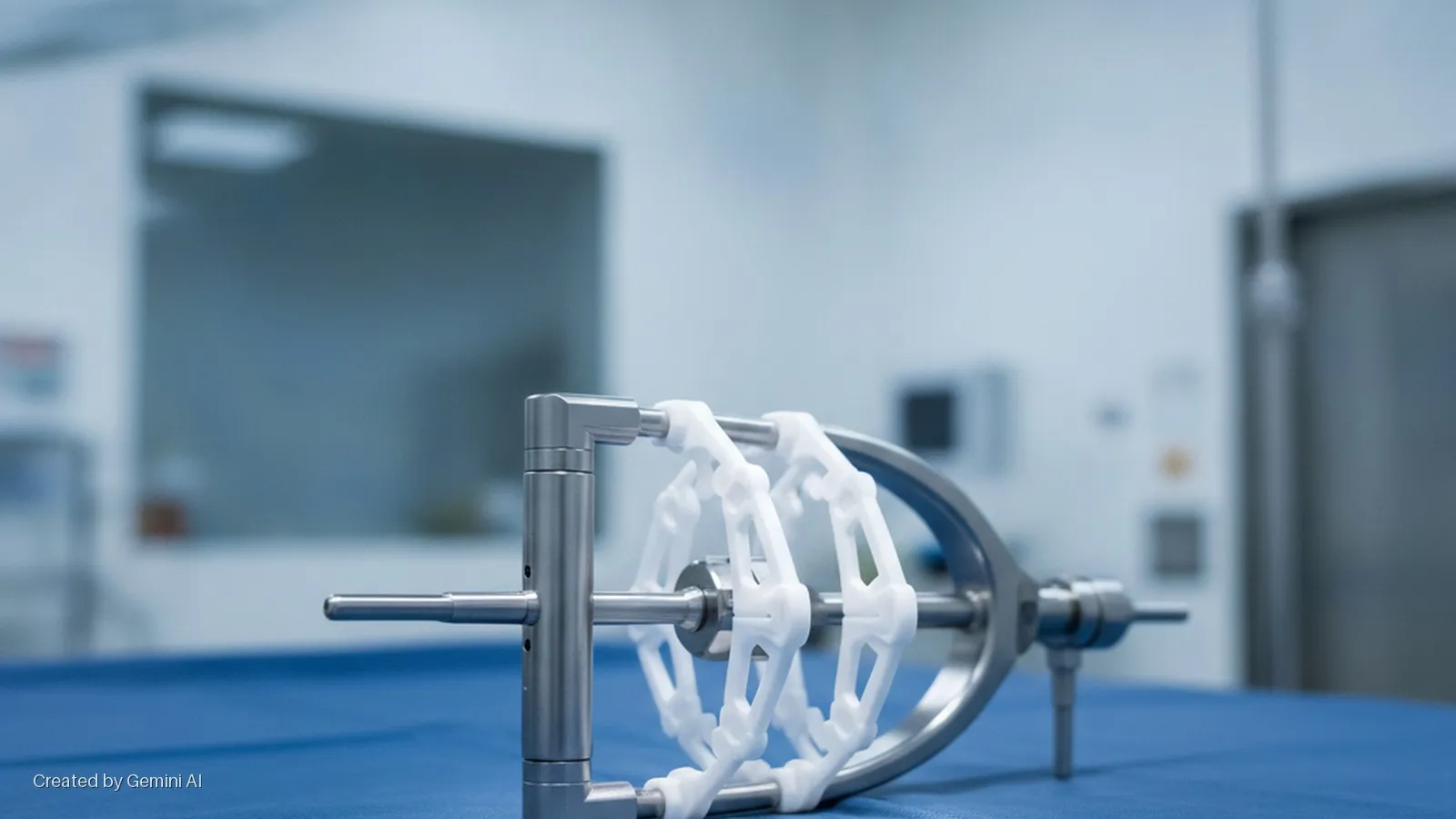
Claria Medical has received FDA marketing authorisation for its Claria System under a De Novo classification, marking the first integrated tissue containment and removal device to clear the US regulator for use in minimally invasive hysterectomy procedures.
The Mountain View, California-based company said the device was accepted into the FDA's Safer Technologies Program (STeP), a designation reserved for devices expected to offer a meaningful safety improvement over current treatment options. A prospective, multinational, controlled clinical study supported the submission, with detailed data from that study expected to be presented publicly later this year.
The device and its clinical case
Around 600,000 hysterectomies are performed annually in the United States, making it the second most common surgical procedure for women. Roughly 30% of those cases involve an enlarged uterus and require specialised extraction techniques, including containment barriers to prevent tissue dissemination. Under the current standard of care, that subset of procedures can take up to 90 minutes, with containment breach rates reported as high as 40% and documented risks including bowel injury. The alternative, open hysterectomy, brings longer recovery times and greater patient risk.
The Claria System addresses that subset with a transvaginal approach that avoids the need for a mini-laparotomy. Its SafeStop technology uses electronic communication between a tri-layer containment barrier and the handpiece to detect and prevent unintended breaches. In the clinical study, the system achieved a median extraction time of four minutes for large uteri, with surgeons reporting unanimous positive feedback after minimal training.
Chief executive Alexey Salamini said the safety risks associated with the current standard of care are "simply too high" and that FDA authorisation under STeP supports the expected clinical benefit over existing options. The company is now progressing arrangements for commercial pilot sites with leading US healthcare systems.
Market context and regulatory read-across
The De Novo pathway is the appropriate regulatory route for novel, lower-to-moderate-risk devices for which no predicate exists. STeP acceptance, introduced by the FDA in 2020, further streamlines review timelines for devices that can demonstrably reduce patient harm, and clearance via this route carries implicit endorsement of the safety thesis. For Claria, it also establishes a new product code that future devices in the category could reference as a predicate, creating a potential first-mover advantage in what has been a relatively static segment of surgical instrumentation.
The broader minimally invasive gynaecological surgery market has attracted growing attention from both strategics and specialist medtech investors, driven by a combination of high procedure volumes and an increasing preference among patients and payers for same-day or short-stay interventions. Claria has been funded through a combination of private and strategic investors and grants from the National Science Foundation and the National Institutes of Health, though no venture fundraise or commercial partnership has been disclosed alongside this clearance.
The company's next milestones will be closely watched: the release of the full clinical dataset at a medical conference later in 2026, and the outcomes of its commercial pilot programme, will be the first real-world tests of whether the four-minute extraction benchmark translates at scale across varied surgical environments and patient anatomies.