
Cuprina wins FDA 510(k) clearance for MEDIFLY Lucilia cuprina maggots

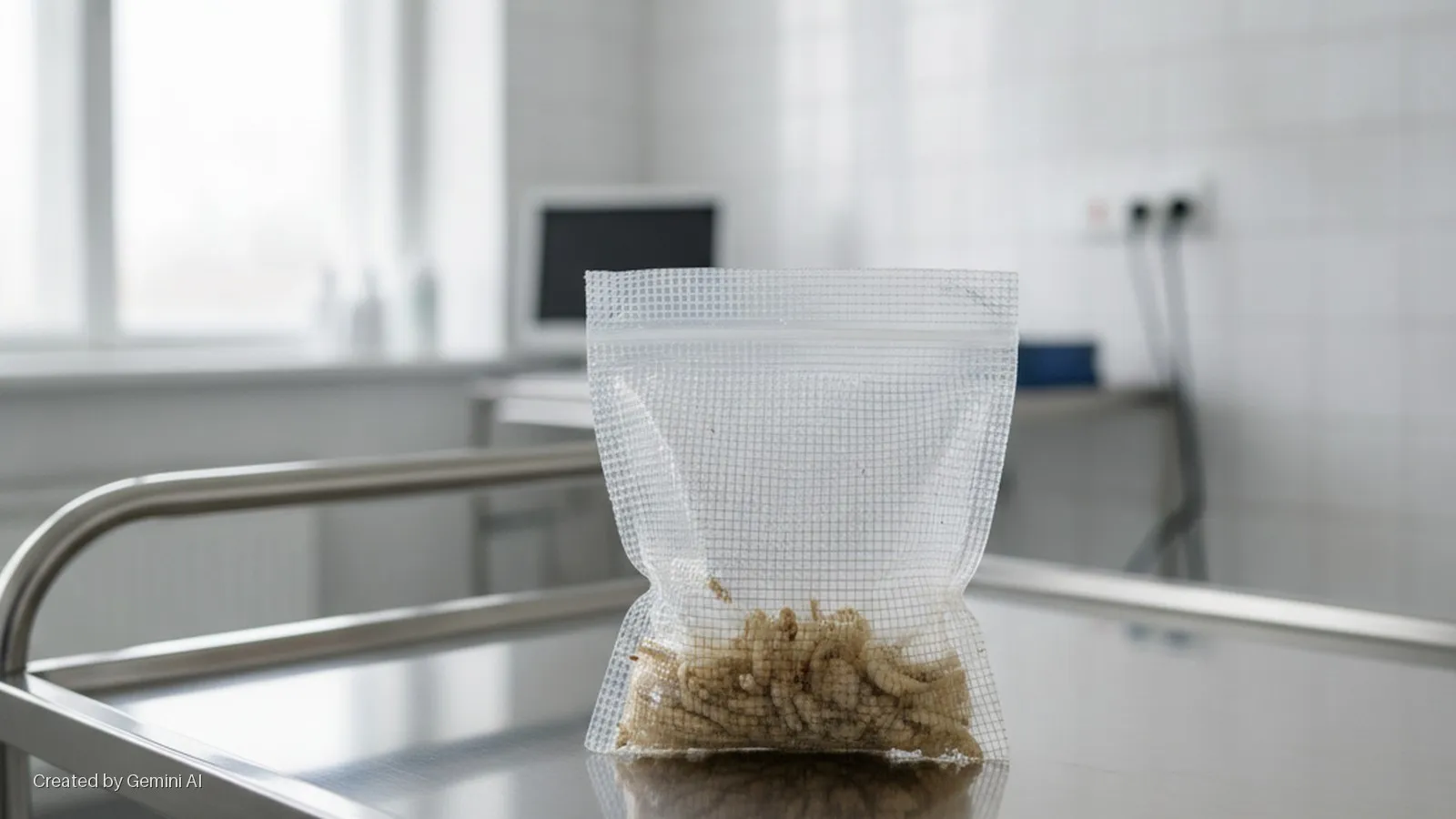
Cuprina Holdings has received 510(k) clearance from the US Food and Drug Administration for MEDIFLY Maggots, its medical-grade Lucilia cuprina larvae product for maggot debridement therapy (MDT). The Singapore- and Nasdaq-listed biomedical company says this is the first FDA clearance granted to a Lucilia cuprina debridement product, adding a second cleared species to a portfolio that already includes Lucilia sericata through its licensed distribution of Medical Maggots, the product first cleared by the FDA in 2004.
MEDIFLY Maggots is cleared for the debridement of non-healing necrotic skin and soft tissue wounds, covering pressure ulcers, neuropathic foot ulcers and non-healing traumatic or post-surgical wounds. The prescription product consists of medical-grade fly larvae applied under clinician supervision to remove dead and infected tissue and support natural wound healing. It was reviewed and cleared by the FDA's Center for Biologics Evaluation and Research, which assumed regulatory oversight of medicinal maggots in December 2024.
Dual-species positioning
With both clearances now in hand, Cuprina holds commercial rights to the only two Lucilia species deployed in MDT. Lucilia sericata, licensed from Dr Ronald A. Sherman, carries a longer track record in Western wound-care settings; Lucilia cuprina is the species more familiar to clinicians and regulators across Australia, Africa, Asia and parts of the Americas. Chief executive David Quek said the dual-species position "anchors our wound-care platform in one of the world's most demanding regulatory markets and gives us a defensible edge as we continue to build our portfolio."
Dr Sherman, a pioneer of modern MDT and Cuprina's Medical and Scientific Director, said the second cleared species offers clinicians and patients "more flexibility in how this therapy is delivered."
The company has indicated that the US clearance may help support or accelerate registration applications in Saudi Arabia, Hong Kong and mainland China, though it acknowledges that any such registrations remain subject to local regulatory timelines and requirements.
Market context and antimicrobial resistance tailwind
Chronic wound care is a large and structurally growing burden on health systems. Published estimates suggest that between one and two per cent of the population in developed countries live with chronic wounds at any given time, with diabetic foot ulcers and pressure injuries accounting for a significant share of that caseload. MDT has gained renewed clinical interest as a biological, non-antibiotic debridement approach at a time when global antimicrobial resistance pressure is reshaping prescribing practices and encouraging regulators and payers to look favourably on alternatives to topical antibiotics.
The competitive landscape for MDT remains narrow. Few companies hold FDA-cleared maggot products, and the transfer of regulatory oversight to CBER in late 2024 imposed a more demanding biologics framework on any new market entrants. That regulatory complexity is itself a barrier to entry, and Cuprina's dual-species position means it controls the primary commercial options available in the US market for the foreseeable future. Investors will be watching for early indicators of US provider uptake, pricing and reimbursement arrangements with insurers and hospital procurement groups, and progress on the Asian registration pipeline that management has flagged as a strategic priority.