
Biora Therapeutics to start first human trial of oral biologic capsule

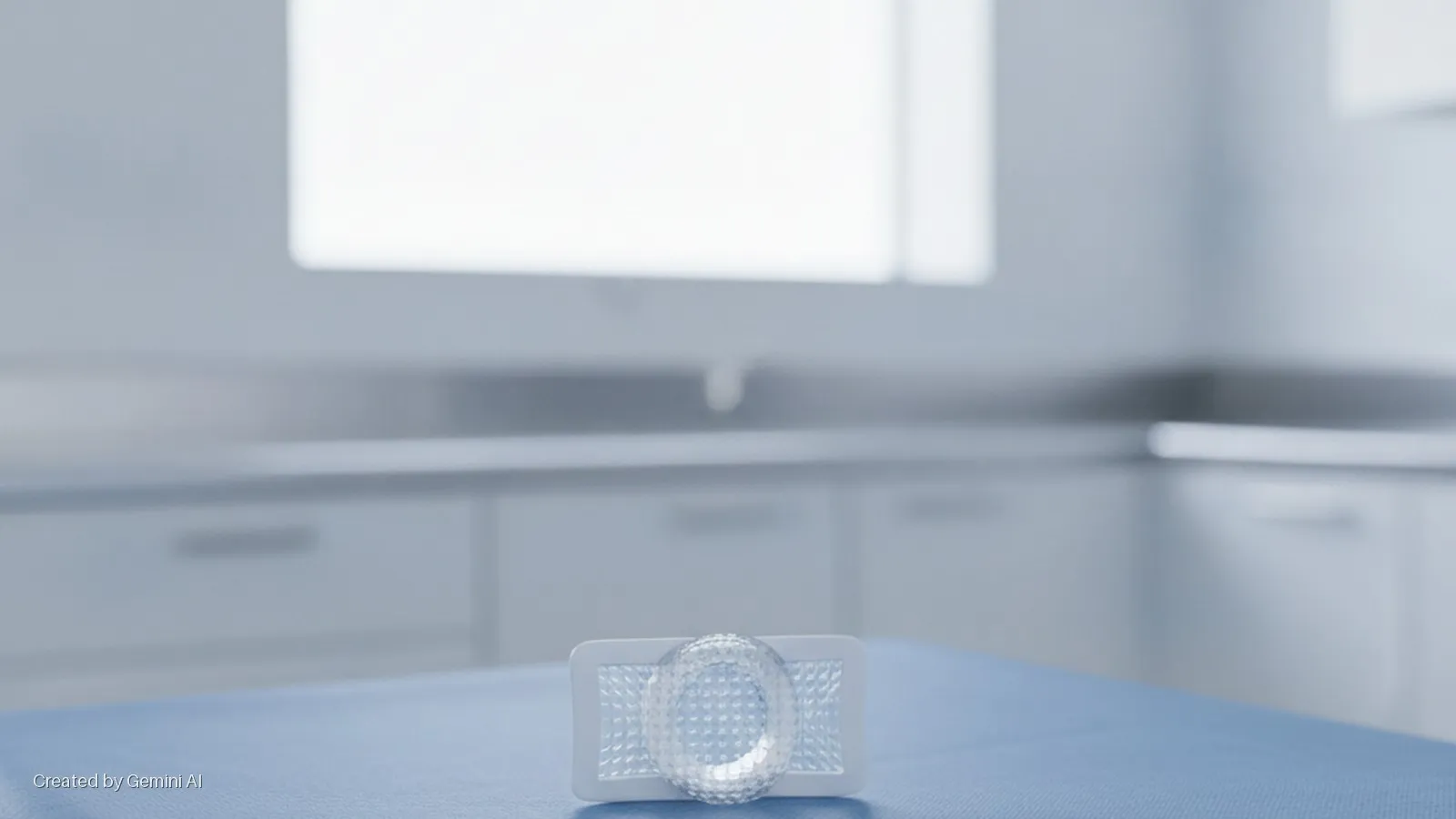
Biora Therapeutics has announced plans to initiate a first-in-human clinical trial of its BioJet ingestible capsule before the end of 2026, using adalimumab as the index biologic. The study will assess safety, tolerability and pharmacokinetics in healthy volunteers, comparing oral BioJet delivery against standard subcutaneous injection. Positive data could support a regulatory filing in 2027 to advance the platform toward a registration-enabling programme.
BioJet is a single-use, swallowable capsule roughly the size of a 00 gelatin capsule. It uses a patented liquid-jet mechanism to propel a dose of a biologic directly into the wall of the small intestine, from where the molecule enters systemic circulation. The device is designed to accept existing liquid drug formulations without reformulation, which Biora positions as a commercial and logistical advantage over competing oral-biologic approaches that require chemical modification or novel excipient systems.
Preclinical foundation
Biora said it has dosed more than 800 BioJet capsules across large-animal models, including swine, canines and non-human primates, and has demonstrated delivery of adalimumab at human therapeutic plasma concentrations. Chief executive Adi Mohanty said the company has made "tremendous progress" scaling processes and advancing towards GMP manufacturing, with human data expected in early 2027.
Adalimumab, sold under the brand name Humira and now widely available as a biosimilar, is one of the highest-volume injectable biologics in global use, prescribed across rheumatoid arthritis, Crohn's disease, psoriasis and a range of other inflammatory conditions. Choosing it as the lead payload gives Biora a well-characterised pharmacokinetic benchmark and a large potential market, but it also means any future commercial product would compete in a biosimilar-heavy environment where pricing pressure is already intense.
Market context and competitive landscape
Oral delivery of biologics is one of the most actively pursued but consistently elusive goals in drug development. Several approaches are in various stages of clinical evaluation, including permeation-enhancer tablets, nanoparticle encapsulation and a handful of other device-based concepts. Novo Nordisk's semaglutide tablet (Rybelsus) demonstrated that a modified GLP-1 peptide could achieve sufficient oral bioavailability for regulatory approval, but peptides are structurally simpler than the large monoclonal antibodies BioJet targets.
Device-based delivery platforms, which bypass the need for molecular reformulation, are attracting renewed interest from both pharma companies seeking to differentiate mature injectable franchises and from payers who see convenience-driven adherence improvements as a lever on outcomes. The regulatory path for a combination product of this type, classified as a drug-device combination in most major markets, involves coordination between device and drug review divisions, adding complexity that the company's planned 2027 filing will need to address.
Biora is privately held and did not disclose funding details or a named commercial partner in the release. The company holds more than 20 granted patents with coverage across the US, Europe, Japan and China, which provides a meaningful IP moat if first-in-human results are favourable. Investors and potential licensing partners will watch the early pharmacokinetic data closely: the key question is whether the platform can achieve consistent bioavailability at levels that are clinically meaningful for full-sized monoclonal antibodies, not just smaller peptide molecules.