
Capra Biosciences secures more HHS funding to onshore API output

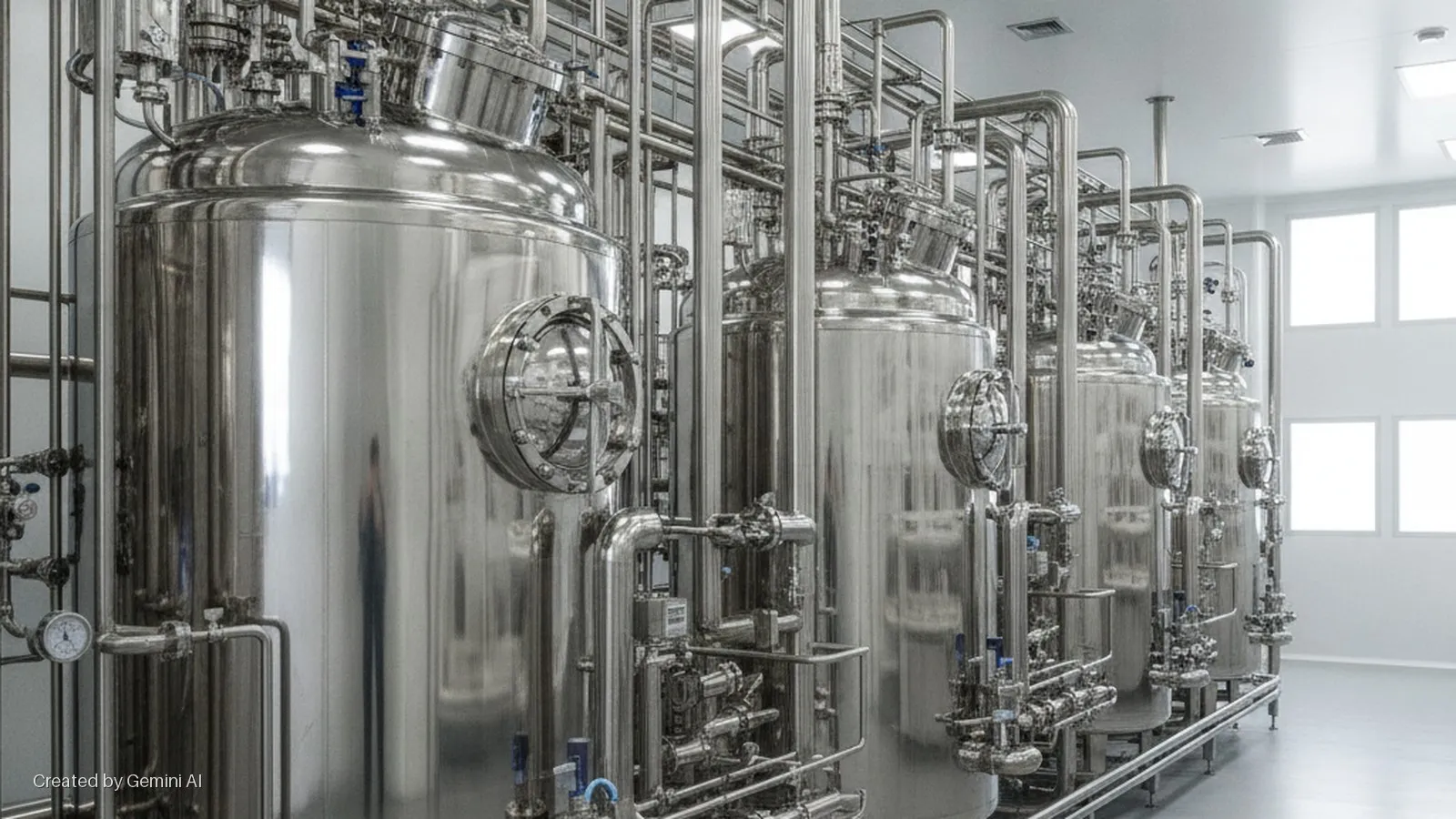
Capra Biosciences has announced continued investment from the US Department of Health and Human Services' Administration for Strategic Preparedness and Response (ASPR), bringing the Sterling, Virginia company's total federal funding to approximately $17 million. The additional tranche follows an initial $7.5 million award made in July 2024 and is intended to accelerate the path from proof-of-concept to current good manufacturing practice (cGMP) production of active pharmaceutical ingredients (APIs) currently sourced almost entirely from overseas suppliers.
Co-founder and chief technology officer Andrew Magyar said the company had already demonstrated that its modular, continuous bioreactor platform could produce high-quality APIs at an accelerated pace. "This continued support enables us to take the next step toward cGMP production and regulatory filings that put these molecules on a path to market," he said.
From two APIs to seven
Under the initial award, Capra executed its CoMPASS programme, which combined its proprietary synthetic biology capabilities with AI-based predictions for gene and pathway expression developed in collaboration with Google X's A-Life team. Within two years the company validated production of aspirin and acetaminophen in its bioreactors, a timeline it describes as substantially faster than conventional industry practice.
The expanded programme will apply the same rapid development and scale-up methodology, developed in partnership with A-Life and engineering consultancy Next Rung Technologies, to additional critical ingredients. Capra's total API target portfolio now stands at seven molecules. Five of those seven will be progressed toward Technology Readiness Level 10, the benchmark the company uses to denote commercially mature, population-scale manufacturing. To support that push, Capra is working with the United States Pharmacopeia (USP) and its Pharmatech subsidiary, which will provide analytical development, chemistry, manufacturing and controls expertise, and regulatory filing support.
Market and policy context
Domestic API manufacturing has become a pronounced policy priority in Washington over the past several years, driven by concerns about supply-chain concentration in China and India that were exposed during the COVID-19 pandemic. Federal programmes including ASPR's Biomedical Advanced Research and Development Authority (BARDA) BioMaP Other Transaction Authority consortium have directed hundreds of millions of dollars toward rebuilding US biopharmaceutical production capacity. Capra is one of a number of smaller, platform-focused companies competing alongside larger contract development and manufacturing organisations for that federal spend.
What distinguishes Capra's proposition is the modular, continuous-flow architecture of its bioreactors, which the company argues allows a single facility to switch between different API targets without dedicated infrastructure for each product. That flexibility is meaningful in a policy environment that values resilience and surge capacity. Whether the platform can achieve the cost-competitiveness needed to sustain commercial production without ongoing government support remains the key open question for investors and procurement agencies alike.
The next material milestones for Capra will be the cGMP validation runs and the regulatory submissions Magyar referenced, which will determine whether its biologically derived small-molecule APIs meet the quality standards required for commercial pharmaceutical use. USP's involvement in the CMC and control-strategy workstreams lends credibility to that regulatory pathway, though the timeline to any market-ready product has not yet been disclosed.