
Penn Medicine and IBA form Noventra Oncology Alliance JV

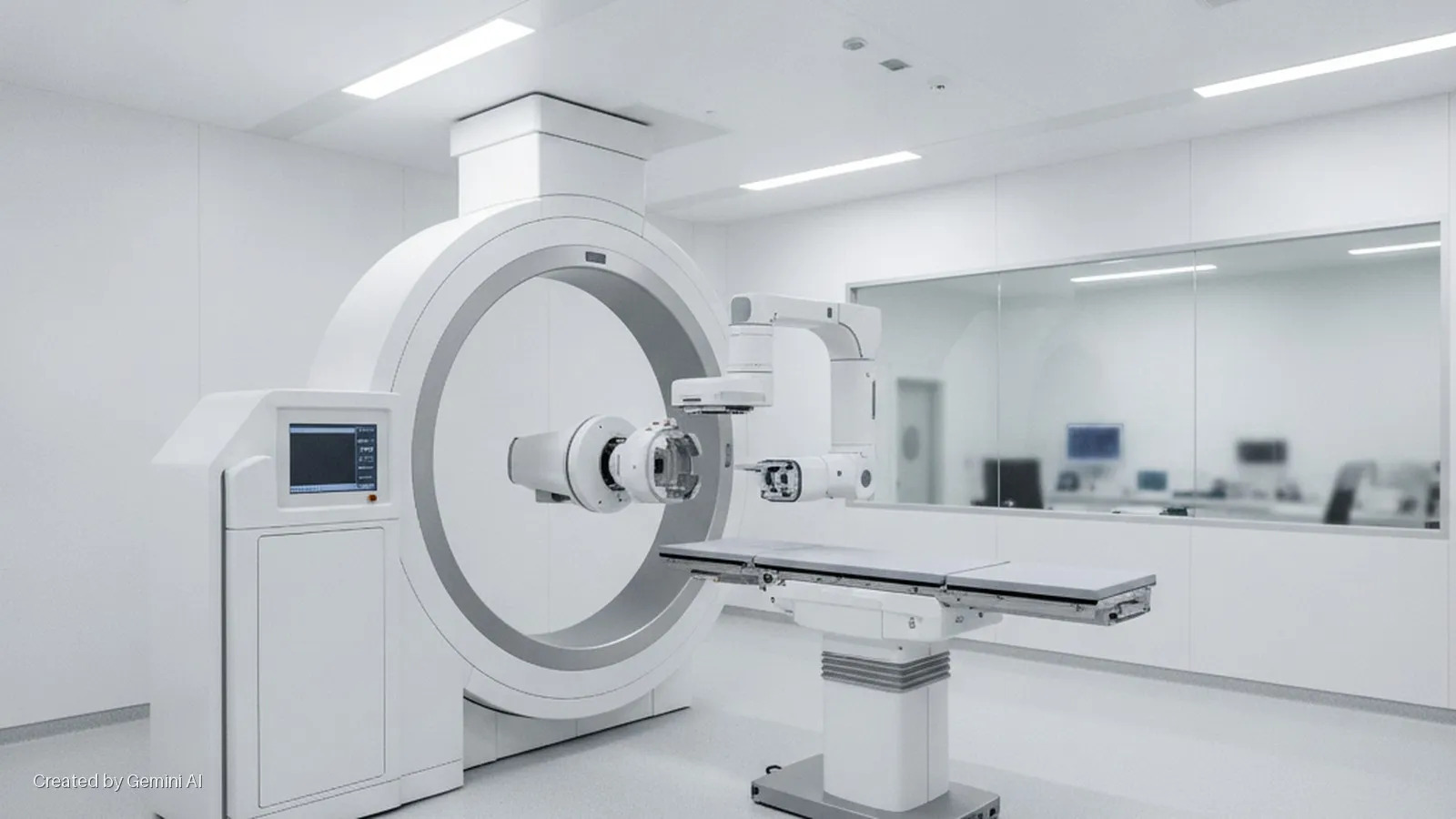
Penn Medicine and IBA have launched Noventra Oncology Alliance, a joint venture offering integrated advisory and lifecycle support to healthcare organisations developing proton therapy and advanced radiation oncology programmes. The announcement was timed to coincide with the ASTRO Annual Meeting 2026 in Boston, where both parent organisations are exhibiting.
Noventra will span the full care delivery lifecycle, from strategic and financial planning through to clinical readiness, programme implementation and long-term operational performance. The venture is structured around what the partners describe as a gap in the current advisory market: most healthcare organisations that pursue proton therapy acquire equipment but lack systematic support for the clinical, financial and workforce challenges that follow.
Combining clinical depth with technology reach
James Metz, chair of Radiation Oncology at the University of Pennsylvania Perelman School of Medicine, said the venture pairs "decades of experience building and operating one of the world's leading proton therapy programs" with IBA's global implementation capabilities to help health systems deliver care "while building sustainable, high-performing oncology programs."
Henri de Romrée, Deputy CEO of IBA, added that a centre unable to treat patients at scale or operate sustainably "ultimately falls short of its purpose." He framed Noventra as a mechanism for reducing the clinical, operational and financial risks of building advanced radiation oncology programmes, and said it would help reinforce and accelerate broader adoption of proton therapy in cancer treatment.
IBA is listed on Euronext and positions itself as the world leader in proton therapy equipment and particle accelerator technology, with approximately 2,300 employees globally. Penn Medicine is an $11.1 billion health system employing more than 49,000 staff and has been associated with several high-profile clinical advances, including early CAR-T cell therapy and mRNA vaccine research.
Market context and competitive landscape
Proton therapy has long carried a reimbursement and cost-of-capital challenge that has slowed diffusion beyond well-resourced academic medical centres. A single proton therapy installation can require several hundred million dollars in capital expenditure, and demonstrating clinical superiority over conventional photon-based radiotherapy in common tumour types has proved difficult in randomised trial evidence, even as the modality retains clear dosimetric advantages in select indications such as paediatric cancers and skull-base tumours.
The joint venture model Noventra adopts differs from the standalone consultancy or equipment-vendor advisory approach that has characterised much of the sector to date. Combining a credentialed clinical operator with the dominant equipment supplier gives the venture access to both proprietary operational data and deep technology knowledge, which could prove attractive to health systems in markets where proton therapy penetration remains low, particularly across Asia-Pacific and the Middle East.
Competitors in the advisory space include specialised healthcare consultancies and, to a lesser extent, in-house implementation teams offered by other proton therapy vendors such as Varian and Mevion. Whether Noventra can differentiate on outcomes data and operational benchmarks, rather than brand alone, will be a key question for prospective clients and for the longer-term commercial viability of the venture.