
IBA wins contract to install Portugal's first proton therapy centre

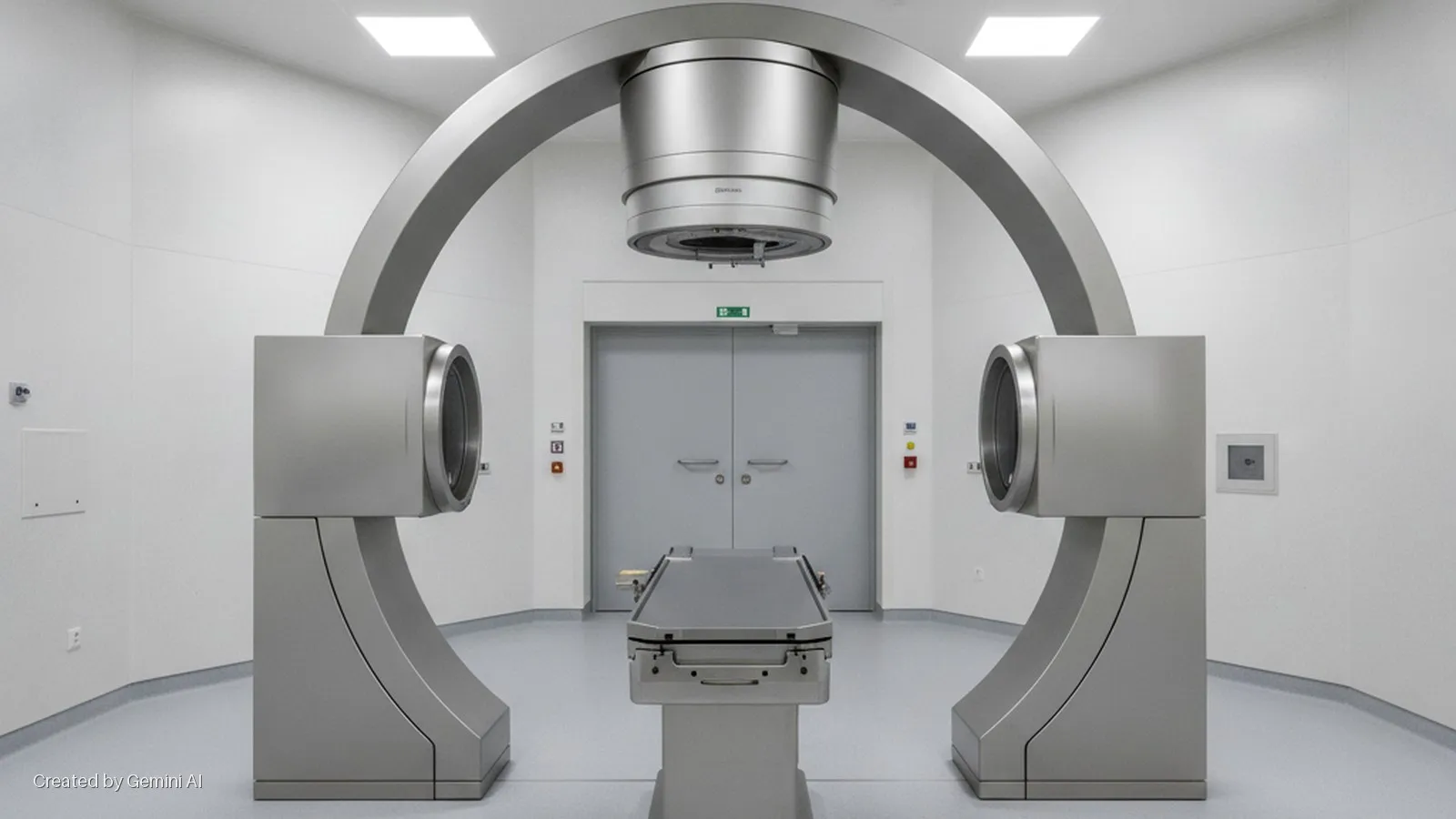
IBA (Ion Beam Applications S.A.) has confirmed a contract with Instituto Português de Oncologia do Porto (IPO-Porto) for the installation of two Proteus ONE compact proton therapy systems at the hospital's facilities in Porto. The agreement, signed in April and cleared by Portugal's Court of Auditors last month, positions the site as the National Proton Therapy Center of Portugal. Patient treatments are expected to begin in 2029.
The two systems will be installed in a side-by-side configuration that IBA says is designed to maximise clinical availability and operational flexibility. Each Proteus ONE unit carries a typical end-user price of between 35 and 45 million euros, inclusive of a multi-year maintenance contract, putting the combined capital value of the equipment in the range of 70 to 90 million euros. IBA's contract also includes an ongoing operation and maintenance services component, though the precise duration and commercial terms of that arrangement were not disclosed.
The project was initiated following a public tender published in November 2025, itself underpinned by an agreement between the Amancio Ortega Gaona Foundation, Portugal's Ministry of Health, the Ministry of Territorial Cohesion and IPO-Porto. The philanthropic involvement of the Ortega foundation is notable; the Spanish billionaire's charitable vehicle has previously funded oncology infrastructure in Spain, and the Porto project extends that model across the Iberian Peninsula.
Clinical and regulatory context
Proton therapy uses charged particles to deliver radiation dose with greater precision than conventional photon-based radiotherapy, reducing exposure to surrounding healthy tissue. It is particularly valued in paediatric oncology and tumours adjacent to critical structures. Until now, Portuguese patients requiring this modality have had to travel abroad, a logistical and financial burden that Dr Julio Oliveira, Chairman of IPO-Porto's Board of Directors, described as a longstanding inequity. "That Portugal could finally offer its patients, including children, the high-precision treatment that today forces them abroad," he said, "that future now has a date."
IBA chief executive Olivier Legrain framed the contract as consistent with the company's stated strategy of broadening access to proton therapy in markets where the modality has historically been unavailable.
Market context
IBA is the dominant global supplier in the proton therapy equipment market, competing with Varian (now part of Siemens Healthineers), Hitachi, Mevion Medical Systems and Sumitomo Heavy Industries, among others. The compact single-room format, which the Proteus ONE represents, has become the growth segment of the market as hospitals weigh the cost of multi-room gantry installations against narrower patient volumes. Several European health systems have been expanding proton capacity over the past decade, with centres operational or under construction in the Netherlands, Denmark, Sweden, the Czech Republic and the United Kingdom.
Portugal joining this cohort is a meaningful step for IBA's European footprint, and the dual-system configuration suggests IPO-Porto is planning for meaningful throughput rather than a limited pilot. IPO-Porto treats more than 11,000 new cancer patients per year and delivers upwards of 71,000 radiotherapy sessions annually, making it one of the larger radiotherapy centres on the continent. Whether the 2029 treatment start date holds will depend on construction timelines and regulatory clearances for the facility itself, neither of which were addressed in the announcement.