
SeaStar Medical grows QUELIMMUNE revenue 82% as adult AKI trial advances

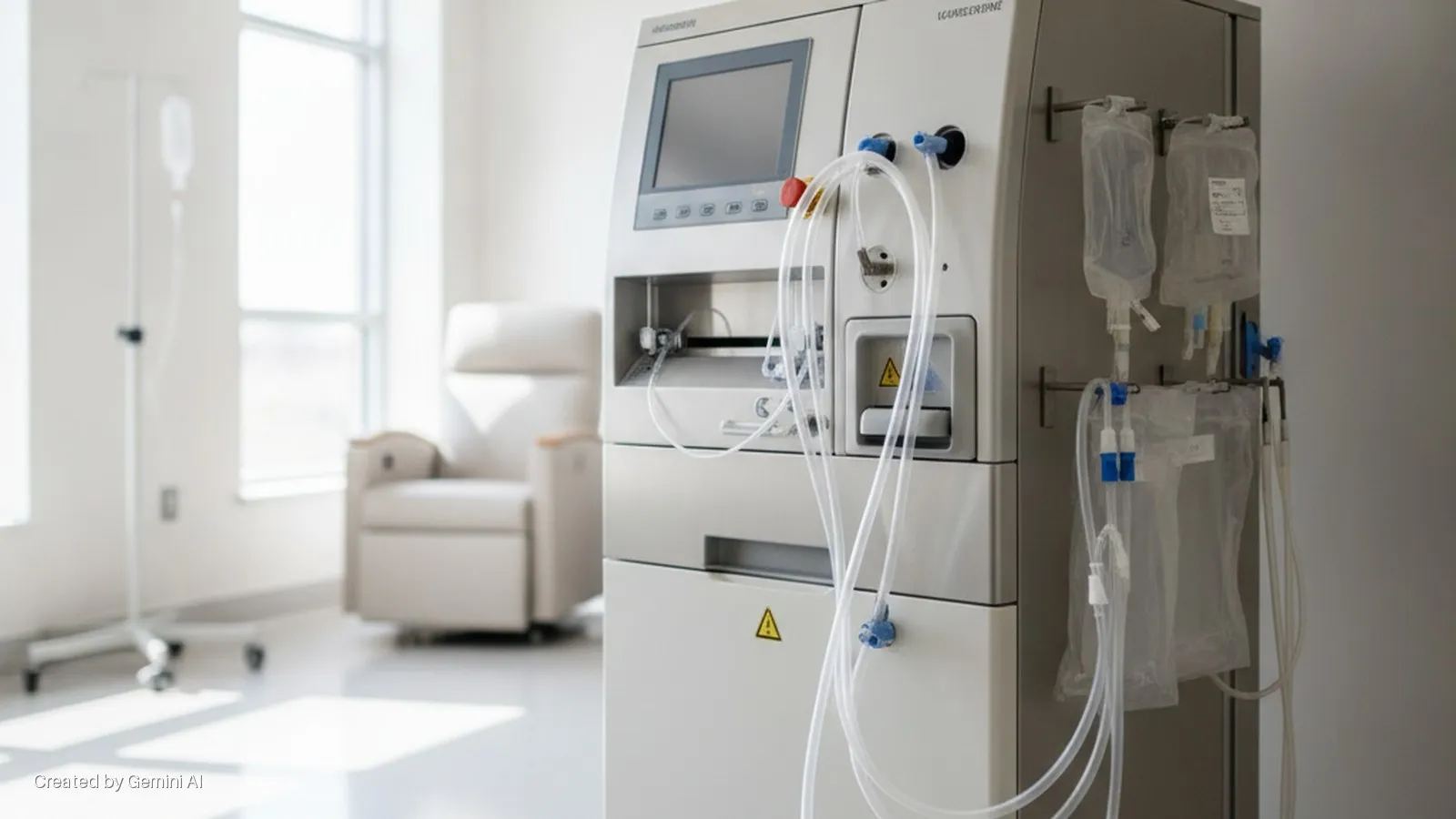
SeaStar Medical Holding Corporation has reported second-quarter 2026 results showing an 82% year-on-year rise in net revenue from its QUELIMMUNE paediatric acute kidney injury therapy, while also disclosing material progress in the NEUTRALIZE-AKI pivotal trial targeting the far larger adult AKI market.
Net revenue for the three months ended 30 June 2026 reached approximately $0.6 million, up from $0.3 million in the comparable period of 2025. Gross margins remained high at 91%, reflecting the device-based nature of the therapy. The company's total customer base for QUELIMMUNE now stands at 20 sites, following the addition of three new children's hospitals in the quarter.
Trial progress and regulatory milestones
The NEUTRALIZE-AKI trial, which is evaluating the Selective Cytopheretic Device (SCD) therapy in adult ICU patients with AKI receiving continuous renal replacement therapy, had enrolled 223 of its 339-patient target at the reporting date. SeaStar said it expects to complete enrolment around year end or into the first quarter of 2027, with a modular Premarket Approval application to the FDA anticipated towards the end of 2027 if trial outcomes are positive.
The company also received dedicated ICD-10-PCS procedure codes from the Centers for Medicare and Medicaid Services during the quarter. These codes, due to take effect on 1 October 2026, enable standardised inpatient billing for SCD therapy and represent a practical prerequisite for broader hospital adoption and reimbursement. Securing these codes before a potential adult approval removes one administrative barrier that can slow commercial uptake of novel devices.
Chief executive Eric Schlorff said the adult AKI opportunity is approximately 50 times the size of the current paediatric market in the US, with more than 200,000 adults affected annually. He said the company is "keenly focused" on meeting its enrolment target and characterised the ICD-10-PCS codes and strong gross margins as commercial enablers, should the trial succeed and the FDA grant approval.
Financial position and competitive context
Operating losses widened to $3.8 million in Q2 2026 from $1.8 million a year earlier, driven by a more than doubling of research and development expenditure to $2.5 million as trial activity intensified, and a rise in general and administrative costs to $1.8 million. Cash stood at $7.0 million at 30 June 2026, down from $12.0 million at year end 2025, giving the company an estimated operating runway that will require monitoring ahead of a potential 2027 PMA submission.
The broader AKI device and therapeutics landscape remains relatively sparse at the late-stage level, partly because AKI in the ICU has historically been treated primarily through supportive care and renal replacement therapy rather than disease-modifying interventions. SeaStar's SCD therapy holds Breakthrough Device Designation from the FDA across six indications, a designation intended to accelerate review timelines and facilitate iterative interaction with regulators. That designation, combined with the existing paediatric approval under a Humanitarian Device Exemption, gives the company a degree of regulatory familiarity that pure pipeline entrants lack.
Investors will focus on two near-term indicators: the pace of QUELIMMUNE commercial uptake through the second half of 2026 as the new ICD-10-PCS codes come into effect, and whether the NEUTRALIZE-AKI trial completes enrolment on schedule. Any delay to the enrolment timeline would push the PMA filing into 2028 and extend the period during which the company must fund operations from a cash position that is already tightening.