
NightWare wearable cuts nightmare distress in first responder study

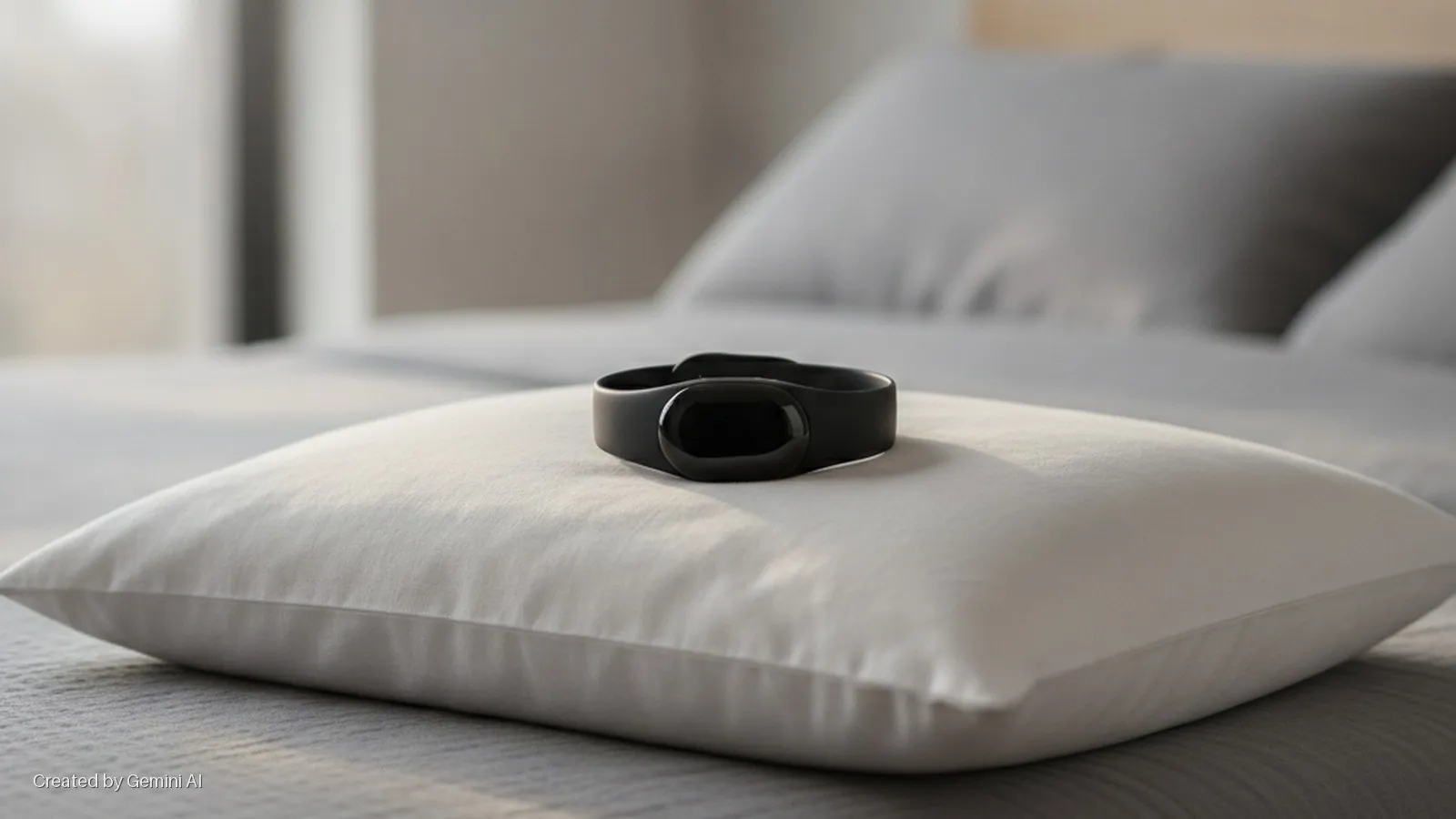
NightWare, the Minneapolis-based maker of an FDA-cleared prescription wearable for nightmare disorder, has published its first peer-reviewed data outside military populations, reporting significant reductions in nightmare distress and frequency among San Francisco police officers and firefighters with post-traumatic stress disorder.
The open-label pilot, published on 9 September in Frontiers in Sleep, enrolled ten first responders over 60 days. Average nightmare-related distress fell from 2.9 to 1.3 on a four-point scale, and nightmare nights dropped from 5.2 to 3.6 per week. Self-rated sleep quality more than doubled, rising from 1.8 to 4.0 on a five-point scale. Nine of the ten participants improved on both primary measures, and none deteriorated. When the pilot concluded, nine participants chose to continue using the device.
The NightWare system pairs a wrist-worn sensor with a proprietary AI application that monitors sleep physiology and delivers short vibrations designed to interrupt the nightmare cycle without fully waking the user.
Clinical significance and study limits
The authors acknowledge the study's limitations openly. With ten completers, a single-arm open-label design, and patient-reported outcomes using non-validated survey instruments, the results cannot be treated as confirmatory evidence. The paper calls for controlled trials with validated measures before broad clinical conclusions can be drawn. Even so, the effect sizes on both primary endpoints were statistically significant and broadly consistent with NightWare's prior dataset in veterans and active-duty service members.
Brian Robertson, chief medical officer of NightWare and first author of the paper, highlighted a structural distinction between military and first responder populations: "A soldier eventually comes home from the deployment. A police officer goes back to the same streets the next shift. We were curious if NightWare could create a similar impact for first responders and public safety, and this is a strong indication it can."
Participants wore the device on 76% of nights on average. Most of the reduction in nightmare frequency was observed by day 30 and held through the end of the study, while distress scores continued to fall through day 60. Treatment satisfaction rose from 2.2 to 4.5 over the same period.
Market context and regulatory position
NightWare holds De Novo 510(k) FDA clearance and Breakthrough Device Designation, positioning it as the only FDA-cleared prescription digital therapeutic for nightmare disorder in adults aged 22 and over. The company distributes through the VA health system, commercial insurance, and direct-pay channels, and is running a national VA Pathfinder Innovation Pilot.
The first responder PTSD burden is substantial. The Frontiers in Sleep paper cites research placing PTSD prevalence among rescue workers at approximately 10%, several times the general population rate, and a 2023 study in which 53% of active first responders reported trauma-related nightmare distress in the prior week. That represents a sizeable addressable population beyond the veteran cohort NightWare has targeted to date.
The digital therapeutics sector has faced commercial headwinds in recent years, with several prescription digital therapeutic developers struggling to secure broad payer coverage. NightWare's VA channel provides some insulation, but expansion into first responder occupational health programmes will likely require employer or municipal purchasing agreements alongside further controlled-trial data. A randomised controlled study replicating these pilot findings would be the most credible catalyst for wider adoption among clinicians and institutional buyers.