
Elixir Medical wins Japan approval for DynamX coronary bioadaptor

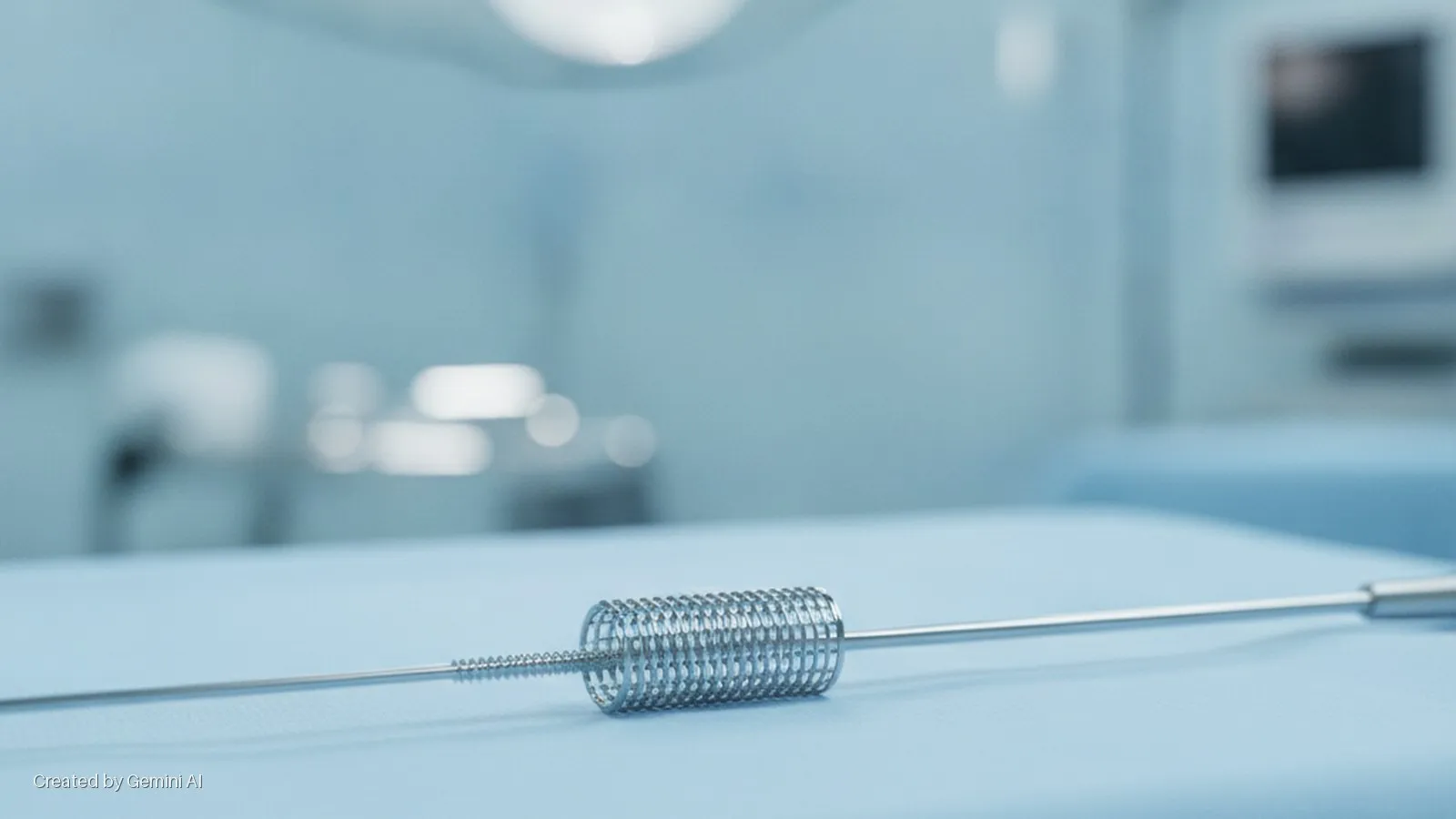
Elixir Medical has received regulatory approval from Japan's Ministry of Health, Labour and Welfare (MHLW) for its DynamX Coronary Bioadaptor System in the treatment of coronary artery disease (CAD). The Milpitas, California-based company says the approval establishes "bioadaptor" as a new medical device category in Japan, and that DynamX is the first coronary implant approved in the country to target what it calls hemodynamic modulation: the artery's ability to pulse, expand and contract in response to cardiac workload.
The device works by simultaneously opening arterial blockages and, the company claims, restoring the mechanical function of the vessel wall after percutaneous coronary intervention (PCI). Elixir positions this as a step beyond both conventional drug-eluting stents (DES), which it says permanently cage the artery, and bioresorbable scaffolds, which have had a difficult clinical history marked by late adverse events.
Clinical evidence
Two randomised controlled trials underpin the MHLW submission. The global BIOADAPTOR RCT compared DynamX against the Resolute Onyx DES from Medtronic. Four-year follow-up data, presented at EuroPCR 2026, showed a reported 66% reduction in target lesion failure rate (2.8% versus 7.8%; p=0.02) and an 88% improvement in cardiovascular survival, with cardiovascular death rates of 0.5% versus 3.7% (p=0.02). The European INFINITY-SWEDEHEART study, which enrolled 2,400 patients including those with acute coronary syndrome, reported a 48% improvement in clinical outcomes for DynamX over DES.
Shigeru Saito, principal investigator of the BIOADAPTOR RCT and director of the Cardiac Center at Shonan Kamakura General Hospital, said: "With demonstrated evidence of restored hemodynamic modulation and the significant improvement in clinical outcomes in randomized trials, I believe this will become the new standard of care for coronary artery disease treatment."
Market context and regulatory path
The Japan approval adds significant geographic weight to DynamX's regulatory profile. The device already holds CE mark in Europe and the FDA's Breakthrough Device Designation in the United States, where it remains investigational. Full US approval would require a separate pivotal submission, and the timeline for that is not disclosed in the current release.
In market terms, the coronary intervention space is dominated by established DES platforms from Medtronic, Abbott and Boston Scientific, all of which carry extensive long-term safety and efficacy data. Elixir's argument is essentially that current stents, while effective at restoring flow, leave a residual mechanical deficit in the vessel. Whether interventional cardiologists in Japan and eventually in the US will accept that framing broadly enough to shift practice will depend on how the four-year data hold up over longer follow-up, and on independent replication outside company-sponsored trials.
Reimbursement approval in Japan remains pending, and Elixir said it plans to work with the Japanese Association of Cardiovascular Intervention and Therapeutics and leading cardiology centres to introduce DynamX once reimbursement is secured. Given the typical lag between MHLW device approval and national insurance listing in Japan, commercial traction there could be 12 to 18 months away. European commercial activity is ongoing under the CE mark, and that market will serve as the near-term indicator of real-world adoption.
For investors watching Elixir Medical, the company remains privately held and has not disclosed funding details or a timeline for a US regulatory filing or any liquidity event, though the accumulation of approvals and a Breakthrough Device Designation is typically preparatory groundwork for either a late-stage raise or a strategic partnership with a larger cardiovascular player.