
Sonus Microsystems and Medtronic partner on AI wearable for preeclampsia

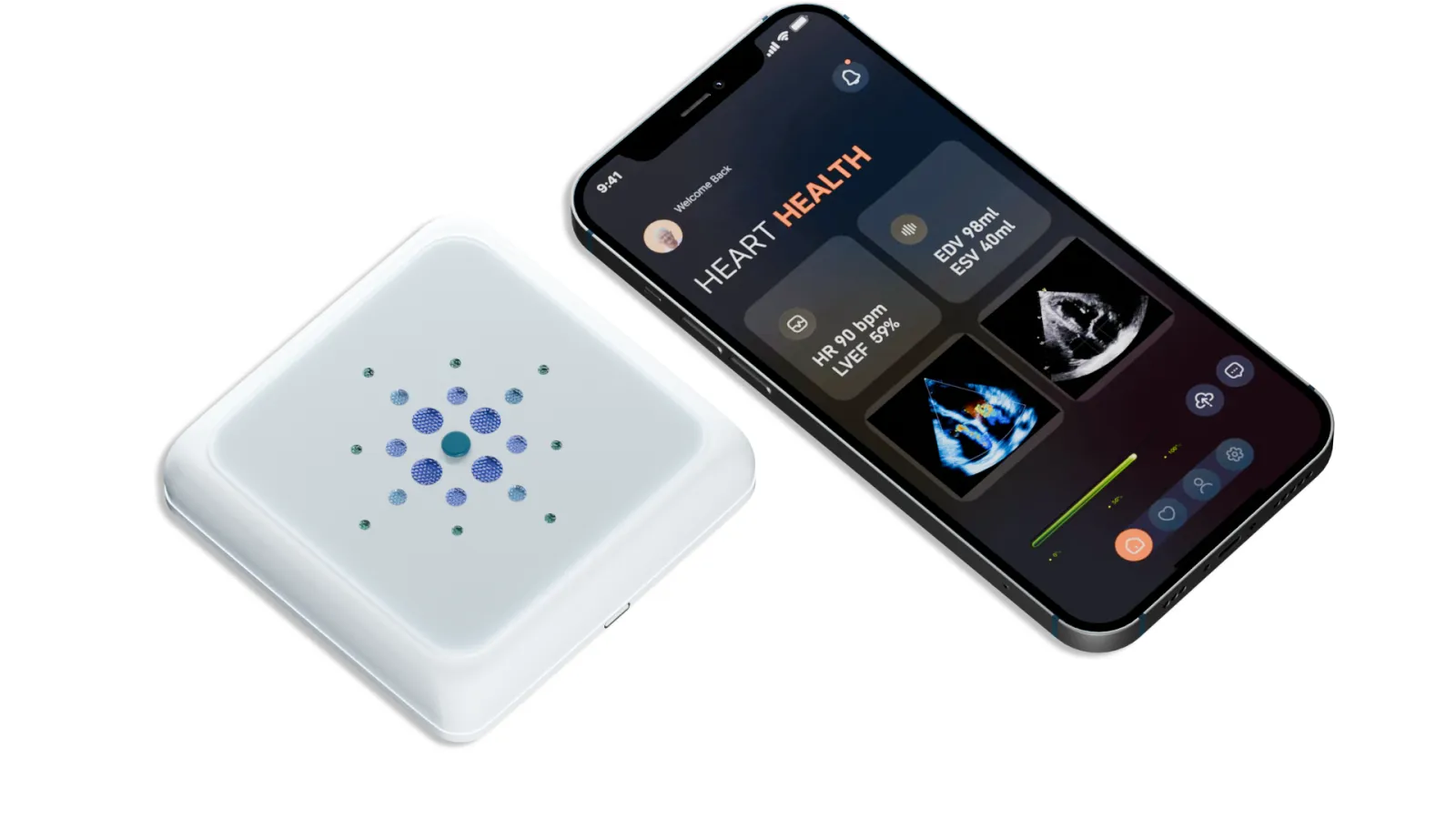
Sonus Microsystems has announced a collaboration with Medtronic to develop and evaluate an integrated, non-invasive monitoring system for pregnant women at risk of early-onset preeclampsia. The partnership, funded by the Gates Foundation under its Grand Challenges programme, will conduct field studies at antenatal facilities in Nairobi, coordinated with Kenyatta University.
At the centre of the collaboration is the Sonus Patch, a wearable ultrasound platform that uses artificial intelligence to locate cardiac anatomy and acquire imaging data without requiring a trained sonographer. The device is designed to produce clinically relevant haemodynamic information that has historically been available only in cardiology labs. Medtronic's contribution comes from its Acute Care and Monitoring operating unit, which brings physiological monitoring capability to combine with the Sonus hardware.
Addressing a diagnostic gap
Preeclampsia affects approximately eight per cent of pregnancies worldwide and remains a leading cause of maternal and foetal mortality, particularly in low- and middle-income countries. The condition involves complex cardiovascular dysfunction, yet frontline screening still depends largely on blood pressure cuffs. Cardiac ultrasound can reveal far more about haemodynamic status, but has historically required costly equipment and specialist operators, making it impractical in resource-limited settings.
Hani Eskandari, chief executive of Sonus Microsystems, said the goal is to make advanced cardiac monitoring "accessible regardless of where patients live," by enabling nurses and community health workers to capture data that previously required specialist technicians. Rick Sethi, Senior Director of Research and Technology and Open Innovation in Medtronic's Acute Care and Monitoring business, described continuous, non-invasive haemodynamic monitoring as "a long-standing gap in perioperative care" and said the Sonus transducer platform shows "real promise" in addressing it.
Market context and competitive landscape
Wearable and point-of-care ultrasound is a fast-developing segment within medical technology. Several companies, including Butterfly Network and Caption Health (acquired by GE HealthCare), have pursued AI-assisted ultrasound guidance aimed at reducing the skill barrier for image acquisition. Sonus's claimed differentiation is fully autonomous image capture without any operator positioning, rather than guided acquisition, which would represent a meaningful step further if confirmed in clinical settings.
The Gates Foundation's involvement via its Grand Challenges programme signals recognition of the unmet need in maternal health surveillance in sub-Saharan Africa, where preeclampsia management is constrained by workforce shortages. Field studies in Kenya will test whether AI-assisted wearable ultrasound can generate data of sufficient quality to inform clinical decisions at scale, and findings are expected to shape the direction of broader research into autonomous cardiac monitoring in both hospital and community settings.
For Medtronic, the collaboration fits within the Open Innovation function of its Medical Surgical Portfolio and could ultimately influence how wearable sensing is incorporated into its monitoring product lines. The company has not committed to a specific commercial pathway or timeline, and the current study is primarily evaluative rather than pivotal. Investors and clinicians will be watching for peer-reviewed data from the Kenya field studies before drawing firm conclusions about the platform's readiness for broader deployment.