
X-Chem wins Chordoma Foundation TBXT Challenge with novel binder

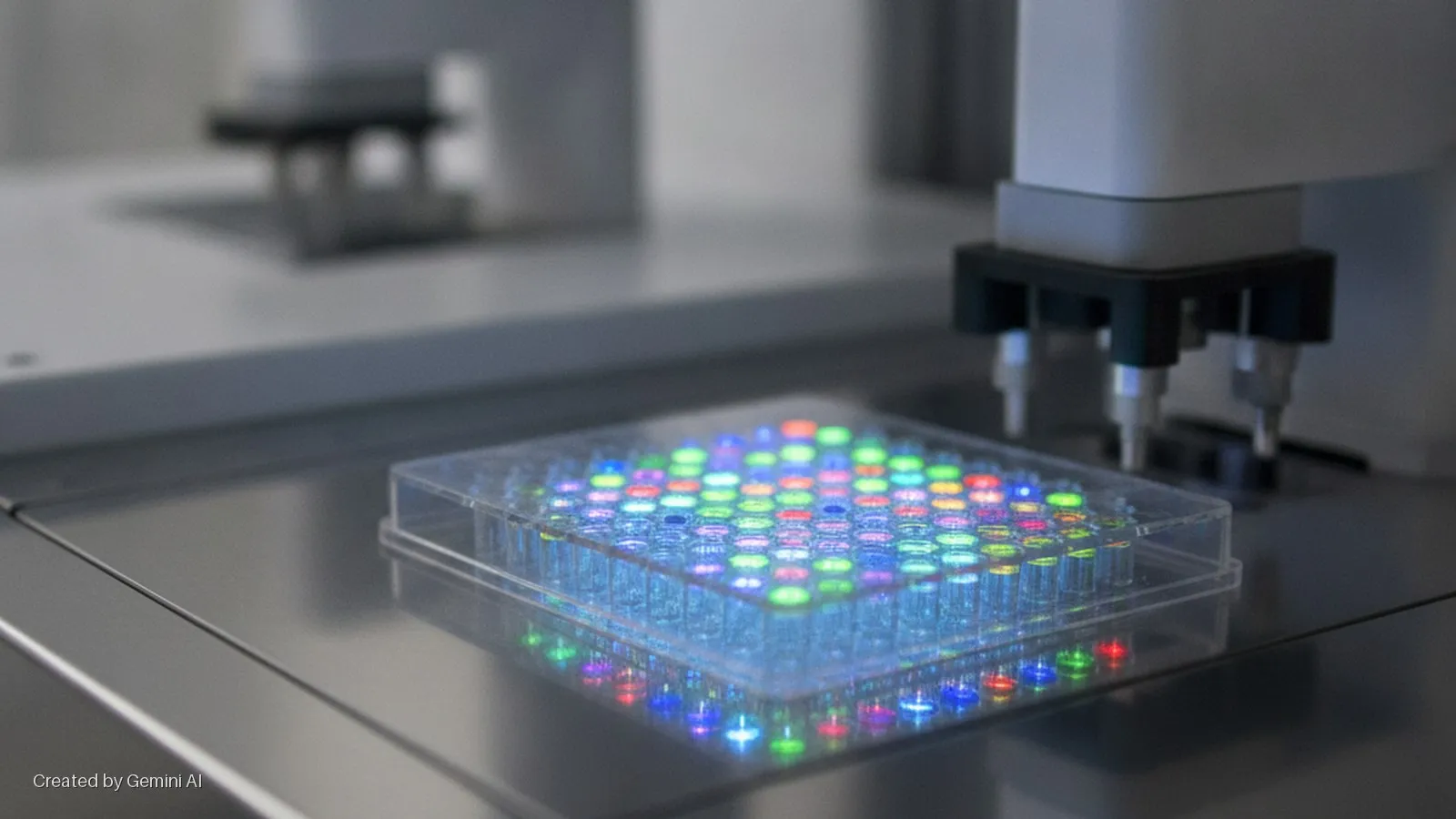
X-Chem, the Waltham-based DNA-encoded library (DEL) and computational drug discovery company, has won the Chordoma Foundation's TBXT Challenge, claiming $100,000 in milestone awards and becoming the first of 26 competing teams to produce a small-molecule binder to the Brachyury (TBXT) protein below the qualifying 1 micromolar threshold.
The result is notable less for the prize money than for what it demonstrates about X-Chem's proprietary Chemomics platform. The company screened a DEL library of more than 150 billion compounds, identified approximately 73,000 with a signal of possible binding, and then used a combination of machine learning, 3D pharmacophore modelling and expert medicinal chemistry to narrow that pool to 76 candidates for independent laboratory testing. One compound cleared the challenge's qualifying bar, confirmed across multiple rounds of surface plasmon resonance (SPR) binding assays conducted by Chordoma Foundation Labs using full-length human TBXT protein. An independent chemistry review also verified the compound's suitability for further development.
A long-considered undruggable target
Brachyury is the master driver protein in chordoma, a rare cancer of the skull base and spine that is difficult to treat surgically and lacks effective systemic options. The protein's smooth surface, which lacks the deep binding pockets typical of kinases or GPCRs, has historically defeated conventional high-throughput screening efforts, leaving it in the same "undruggable" category as many transcription factors.
The Chordoma Foundation launched the TBXT Challenge as an open international initiative backed by up to $500,000 in prize incentives, with support from Biohub and The Mark Foundation for Cancer Research. The field drew 22 companies and four academic groups across nine countries, making X-Chem's first-place finish a meaningful competitive signal. Dan Freed, chief scientific officer of the Chordoma Foundation, said the result "provides crucial proof of concept that potent small-molecule Brachyury binders can be discovered" and that it would unlock further advances toward drugs targeting chordoma's main vulnerability.
Market context and next steps
The broader effort to drug transcription factors has attracted sustained attention across the oncology discovery landscape. Approaches including targeted protein degradation, molecular glues, and high-diversity DEL screening have each made incremental inroads against targets previously considered intractable. X-Chem's win adds to a growing body of evidence that DEL technology, when combined with machine learning-driven prioritisation, can generate viable chemical matter where classical screening cannot. A number of biotech companies and academic drug-discovery centres are pursuing similar DEL-augmented strategies, making platform differentiation an increasingly contested space.
Karen Lackey, chief executive of X-Chem, said the result demonstrates "what scientific excellence across our platform and team can accomplish against targets the industry has struggled with for decades." The company said it will continue to characterise and advance the confirmed TBXT binders, with work focused on deepening the understanding of compound behaviour and laying the groundwork for future directed drug discovery. No clinical timeline, partnering arrangement or further funding has been announced at this stage. For chordoma patients, who currently have limited systemic treatment options, the milestone represents a meaningful early-stage step, though significant medicinal chemistry optimisation and in vivo validation work lies ahead before any therapeutic candidate could enter formal development.