
Firefly and NeuroSigma partner to distribute FDA-cleared ADHD device

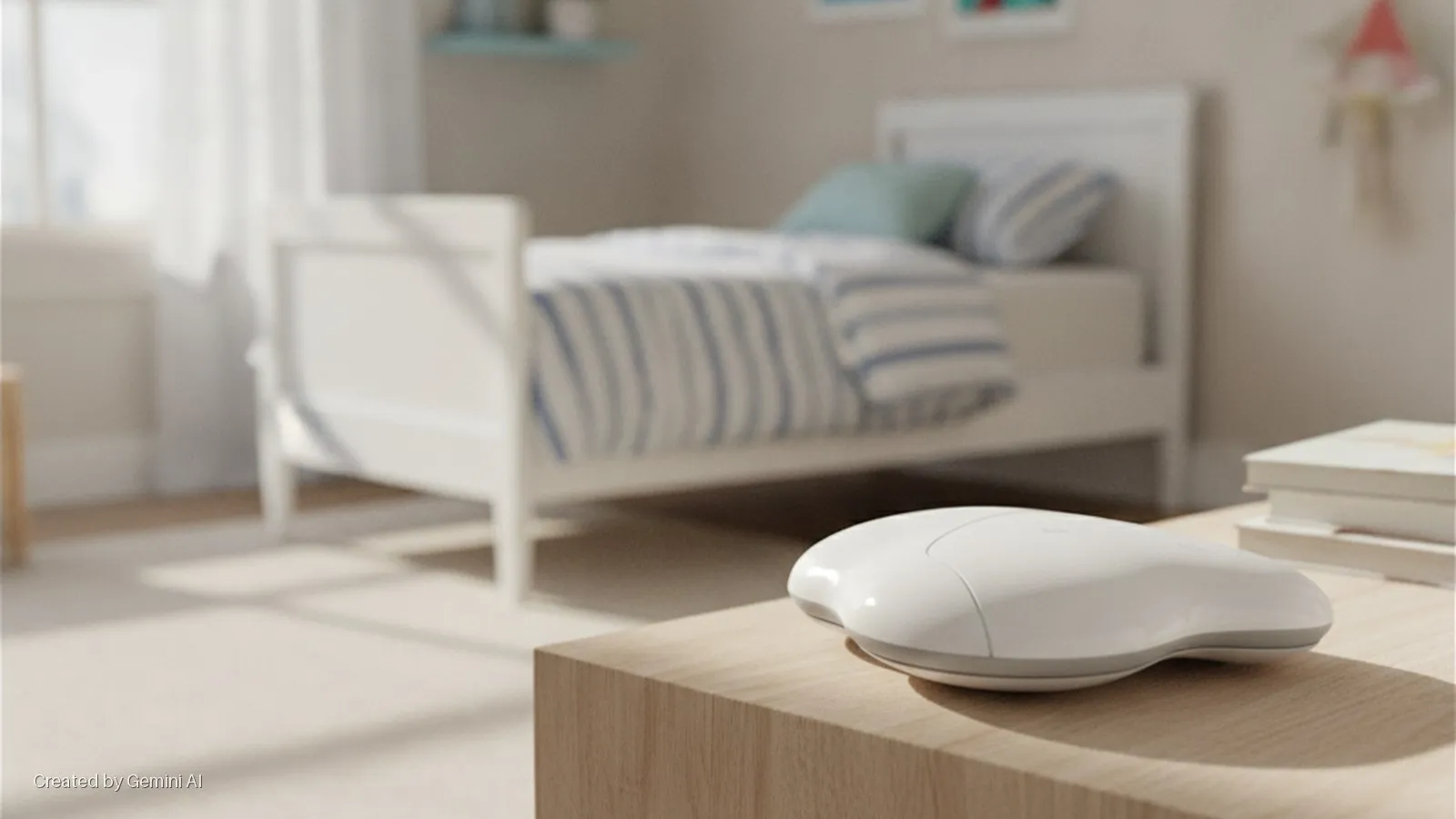
Firefly Neuroscience (NASDAQ: AIFF) and NeuroSigma have announced a commercial partnership to extend access to the Monarch eTNS System, the only non-drug treatment for paediatric ADHD cleared by the US Food and Drug Administration, through Firefly's nationwide Evoke clinician network.
Under the agreement, Firefly will introduce the Monarch device to psychiatry, neurology and behavioural health practices already using its Evoke EEG/ERP platform. NeuroSigma will handle clinical training, prescribing support and product fulfilment via a specialty pharmacy partner. The partnership does not involve a licensing fee or equity stake; neither company disclosed commercial terms.
The technology
The Monarch eTNS System is a palm-sized, prescription-only device that delivers mild external trigeminal nerve stimulation through an adhesive patch placed on the forehead during sleep. It is indicated as a monotherapy for children aged 7 to 12 who are not currently taking prescription ADHD medication. NeuroSigma began US sales of its second-generation Monarch in July 2026, having built a waitlist of more than 1,500 patients, caregivers and providers ahead of launch. In September 2026 the company added third-party instalment payment options to broaden affordability.
Firefly's complementary Evoke platform combines quantitative electroencephalography and event-related potential testing with AI-powered analytics drawn from a proprietary database of more than 200,000 EEG/ERP scans, which the company describes as the world's largest standardised EEG/ERP repository. In March 2026, Firefly reported the identification of EEG/ERP biomarkers, derived from Evoke data, that may help differentiate among the three recognised ADHD presentations. The company acknowledges that further research and validation are required before those findings can be used clinically.
"By introducing NeuroSigma's FDA-cleared, non-drug therapy to our Evoke clinician network, we are connecting measurement-driven practices with an important treatment option for eligible children and their families," said Greg Lipschitz, chief executive of Firefly.
Market context
The partnership arrives at a moment of growing demand for non-pharmacological ADHD interventions. A 2024 study in the Journal of Clinical Child and Adolescent Psychology estimated that approximately 7.1 million US children carry an ADHD diagnosis, with roughly one-third of those currently diagnosed receiving no ADHD-specific treatment. Parental reluctance around stimulant medication is well documented in the literature, and NeuroSigma has positioned Monarch explicitly as an alternative for that cohort.
The neuromodulation space for paediatric and adolescent mental health is attracting increased attention from both established medical device companies and venture-backed start-ups, though direct FDA-cleared competitors to Monarch in the paediatric ADHD indication do not yet exist. The Monarch's cleared indication is narrow: monotherapy only, limited to the 7-to-12 age band, and contraindicated in patients with implanted cardiac or neurostimulation devices. NeuroSigma is investigating broader indications, including autism spectrum disorder and drug-resistant epilepsy, the latter of which holds FDA Breakthrough Device Designation; those uses remain investigational.
For Firefly, the partnership represents a commercial channel strategy rather than a product development milestone. The company's longer-term value proposition rests on whether its ADHD biomarker research translates into a validated clinical tool. Investors will be watching for peer-reviewed publication of the March 2026 biomarker findings and any indication of payer coverage progress for the Monarch device, which is currently sold largely out-of-pocket.