
Flow Neuroscience launches FDA-cleared at-home tDCS device FL-100

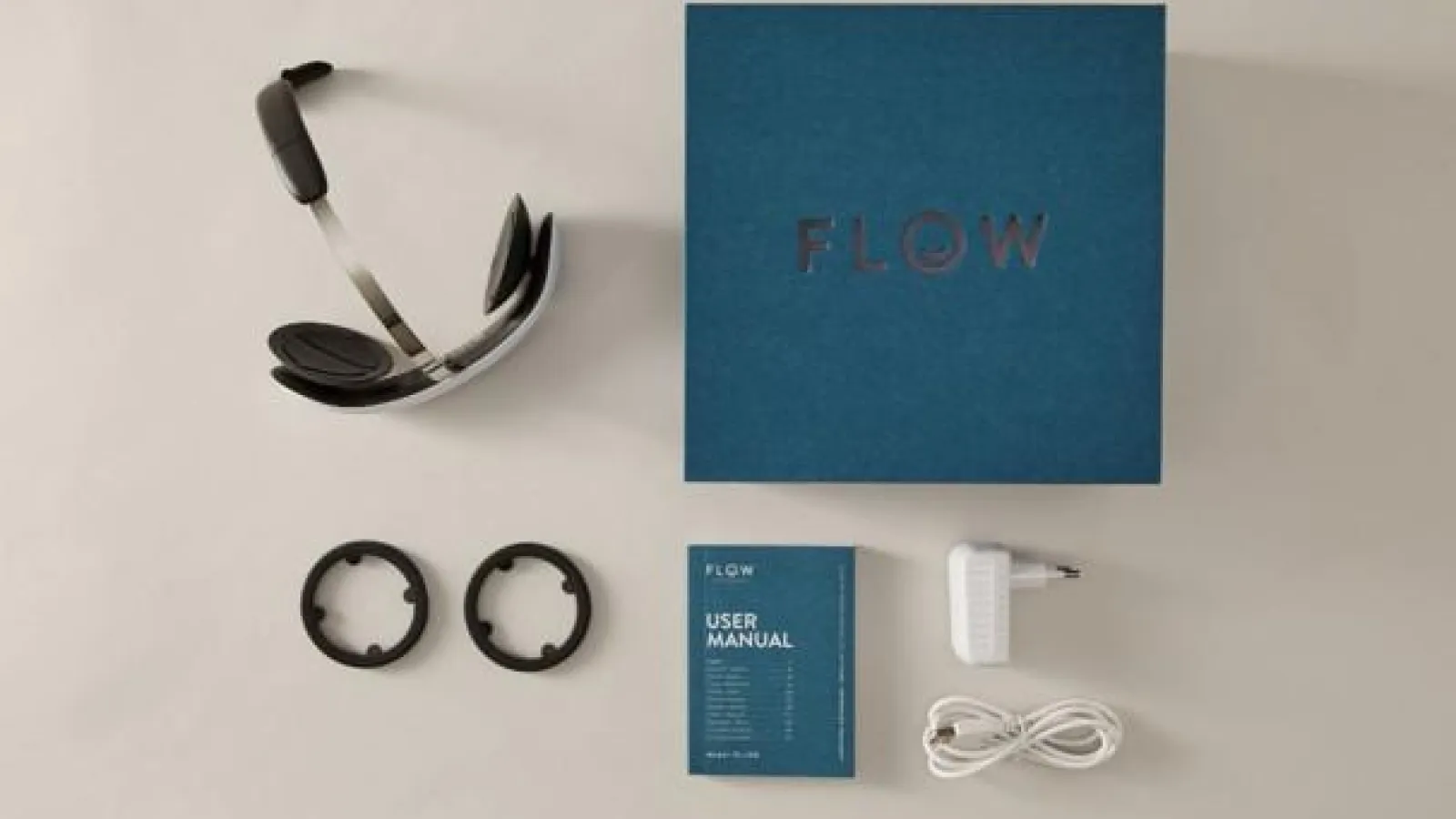
Flow Neuroscience has launched FL-100 across the United States, making it the first FDA-approved at-home transcranial direct current stimulation (tDCS) device for adults with moderate to severe major depressive disorder. Available by prescription from 1 September 2026, the Swedish company's device can be used as a standalone treatment or alongside antidepressant medication in patients aged 18 and older who are not considered treatment-refractory.
The launch marks a meaningful step for the brain stimulation category, which has historically been confined to clinic or hospital settings. FL-100 shifts that model: once a clinician issues a prescription, patients self-administer sessions at home using the FL-100 headset paired with a companion app. The headset applies a low electrical current to the left dorsolateral prefrontal cortex, a region associated with mood regulation. The app guides each session, tracks symptom changes over time, and relays adherence and outcomes data to the prescribing clinician remotely.
Clinical evidence and real-world use
Flow Neuroscience's pivotal trial, published in Nature Medicine in 2024, reported that 57% of patients reached remission, defined as a Montgomery-Asberg Depression Rating Scale score of 12 or below, at ten weeks. The protocol involved 15 sessions across the first three weeks, followed by three sessions per week thereafter. Those figures will be scrutinised by clinicians considering adoption: remission rates in antidepressant trials vary widely, and comparison across different study designs and patient populations is rarely straightforward.
The US launch follows several years of use internationally. Flow says its device has been used by more than 65,000 people worldwide, with over 1,200 healthcare professionals prescribing it. In the UK, the treatment is deployed across a number of NHS organisations as part of routine depression care.
Daniel Månsson, chief executive and co-founder of Flow Neuroscience, said the FDA approval represented a scientific and regulatory milestone, but that making FL-100 available to patients was "the moment that really matters." Chief medical officer Kultar Garcha described the at-home model as an opportunity to remove the practical barriers that have historically limited brain stimulation from entering routine depression care.
Market context and competitive positioning
Major depressive disorder represents a substantial and largely unmet clinical problem in the US. The 2025 National Survey on Drug Use and Health recorded 19.7 million adults experiencing a major depressive episode in the prior year, and an independent economic analysis estimated the disorder's total burden at $382.4 billion in 2023. Antidepressants and talking therapies help many patients, but rates of treatment-resistant or inadequately controlled depression remain high, sustaining demand for new modalities.
Within the broader neuromodulation space, FL-100 sits alongside clinic-based options such as transcranial magnetic stimulation and electroconvulsive therapy, as well as an expanding field of digital therapeutic and neurostimulation start-ups targeting depression. The at-home, prescription-only positioning differentiates FL-100 from clinic-bound competitors, though payer coverage, reimbursement pathways and prescriber awareness will be the key commercial variables to watch during the US ramp.
To support uptake, Flow is running a clinician training programme and establishing prescription pathways, including a telemedicine route called Flow Care, delivered by independent licensed healthcare professionals. The combination of remote evaluation, at-home treatment and digital outcome monitoring is consistent with the broader shift toward asynchronous, technology-enabled mental health care that has accelerated since the pandemic.
Whether FL-100 can achieve meaningful penetration will depend heavily on insurance reimbursement decisions, which the company has not yet addressed publicly. That is the clearest near-term uncertainty for investors and clinicians tracking the US launch.