
Magrabi Health spotlights Centres of Excellence at Forbes Riyadh summit

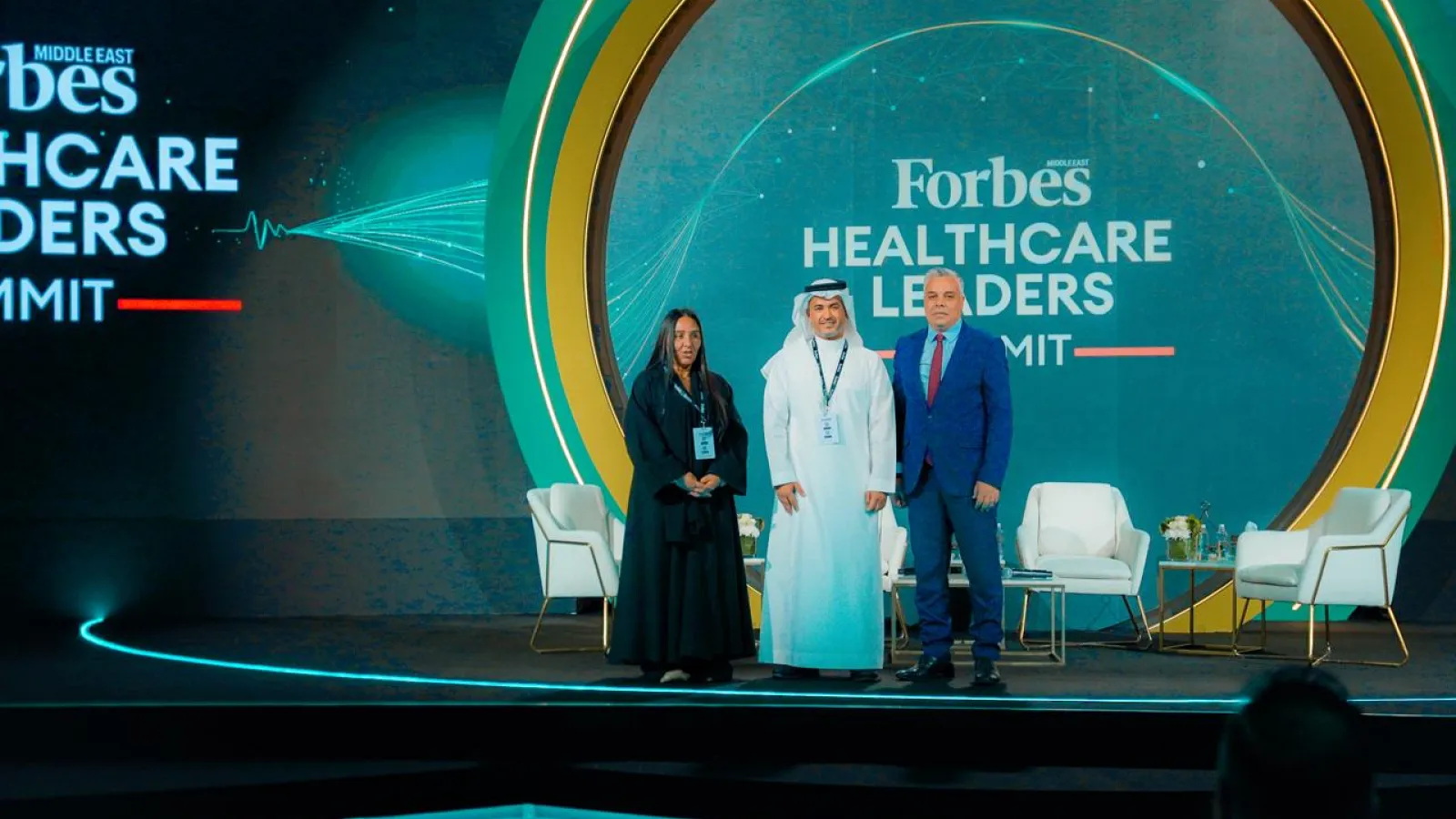
Magrabi Health took the stage at the Forbes Middle East Healthcare Summit 2026 in Riyadh this week, participating as an associate partner in an event that brought together policymakers, investors, and healthcare executives from across the Gulf and beyond. The group used the platform to argue that Centres of Excellence represent the most credible path for Saudi Arabia to raise the quality of its specialised medical services.
Dr Ghazai Al-Thubaiti, Regional Director for the Central Region, delivered a spotlight address titled "The Future of Specialized Healthcare and the Importance of Centers of Excellence in the Saudi Healthcare Sector." He framed Saudi Arabia's healthcare transformation as a commercial as well as a clinical opportunity, arguing that the private sector has a distinct role in expanding access to high-quality specialist care and accelerating the adoption of new technologies.
Recent milestones
Magrabi Health cited two concrete developments ahead of the summit. First, the group said it has received the "Network of Excellence in Ophthalmology" accreditation from the Surgical Review Corporation, which it described as a first for any healthcare network globally. The company presented this as evidence of its alignment with international standards, though independent verification of the "first in the world" claim was not possible from the release alone. Second, the group opened two aesthetics clinics in Riyadh under its Mayam Aesthetics brand and upgraded its digital medical records system across the Kingdom, a step it said improved operational efficiency and care continuity.
Looking ahead, Magrabi Health said its 2027 strategic plan includes new branches in Al Marwah in Jeddah and in Madinah, plus an independent centre in the Al Narjis district of Riyadh. The group currently operates across four specialties: ophthalmology, ENT, dentistry, and dermatology.
Market context
The summit's agenda reflects broader dynamics reshaping Gulf healthcare. Saudi Arabia's Vision 2030 and the associated Health Sector Transformation Program have created structural incentives for private providers to invest in specialised infrastructure, with the government seeking to reduce dependence on medical tourism abroad and bring complex care onshore. That policy backdrop has drawn interest from international hospital groups, diagnostics companies, and digital health platforms looking for partnership or acquisition opportunities in the Kingdom.
Within specialised ophthalmology alone, the regional market is competitive. A number of multinational and regional chains operate networks of eye clinics across the Gulf Cooperation Council, and the SRC accreditation Magrabi Health cited could serve as a differentiator when negotiating managed care contracts or attracting talent from abroad. Whether accreditation alone translates into measurable patient-volume gains will depend on how Saudi insurers and the Vision 2030 health authorities use such standards in procurement.
Magrabi Health did not disclose revenue figures, patient volumes, or capital committed to its 2027 expansion programme. Investors monitoring the group's trajectory will be looking for those metrics, along with evidence that the digital records upgrade has begun to reduce cost-per-episode at its existing sites. The Forbes summit itself, which also covered artificial intelligence in precision medicine and value-based care models, underscored how rapidly the Gulf's healthcare conversation is shifting from capacity-building to outcomes measurement.