
neurocare and Wave Neuroscience partner on EEG-guided PTSD therapy

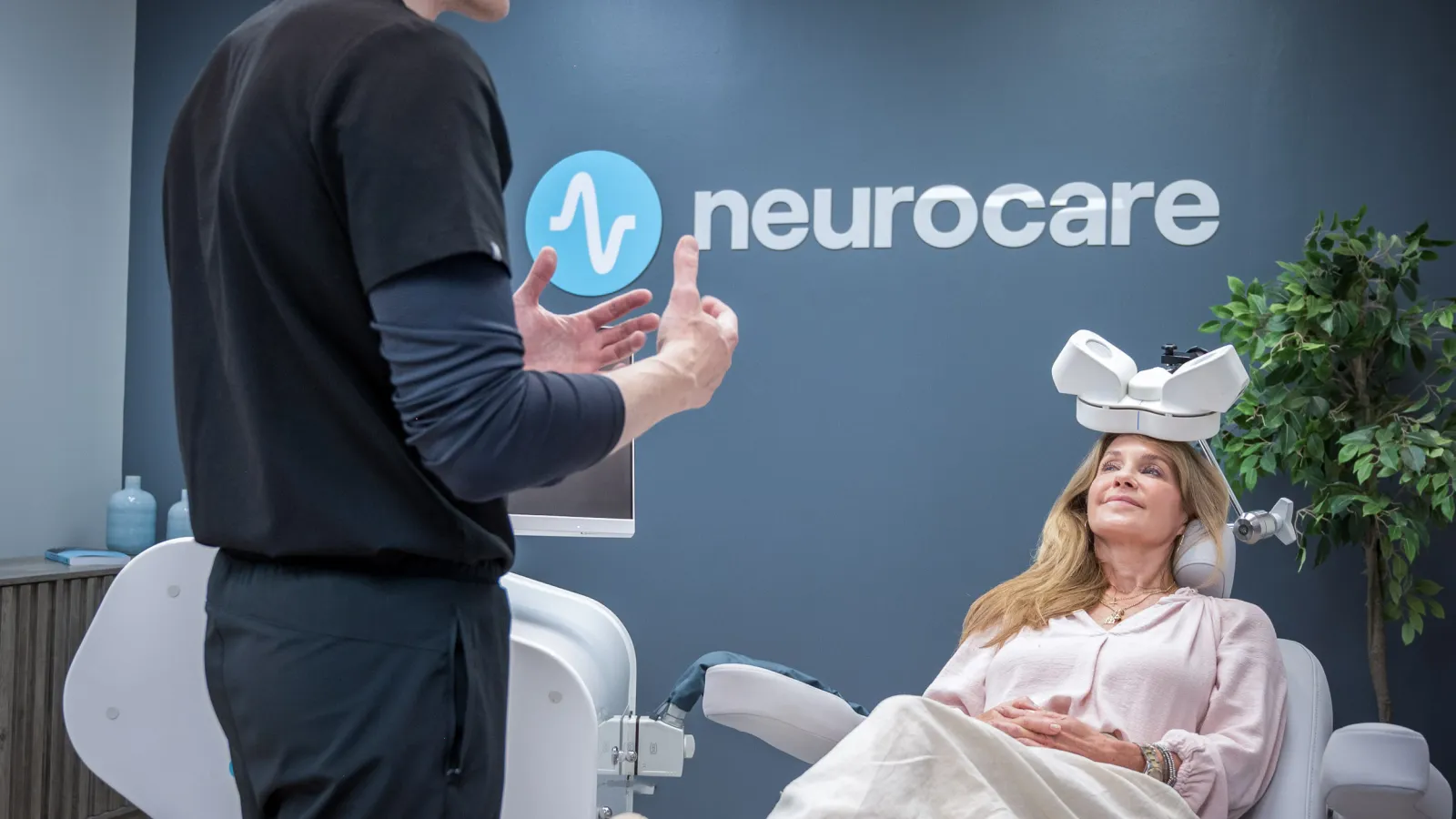
neurocare group AG and Wave Neuroscience have announced a commercial partnership that will make Wave's MeRT therapy available through neurocare's Apollo TMS Therapy System. The collaboration, announced on 25 September 2026, is framed around expanding clinical access to personalised neuromodulation for patients with post-traumatic stress disorder in the United States and beyond.
MeRT, which stands for Magnetic EEG and Resonance Therapy, received FDA clearance for adult PTSD treatment in June 2026. The technology uses EEG-derived measurements of individual brain activity to shape treatment parameters within established TMS frameworks, allowing clinicians to tailor protocols to each patient rather than applying a fixed stimulation profile. The fresh clearance makes MeRT one of the first EEG-guided personalisation layers to receive FDA recognition specifically for PTSD within the broader TMS category.
The deal
Under the agreement, neurocare's Apollo TMS platform, which the Munich-based company describes as an open-architecture system, will integrate MeRT software and protocols. Clinics already operating Apollo devices will gain a pathway to offer MeRT-guided treatment without replacing their underlying hardware. neurocare says its open ecosystem was designed precisely for this kind of third-party integration, positioning the platform as a hub for complementary neuromodulation solutions rather than a closed single-vendor system.
Thomas Mechtersheimer, founder and chief executive of neurocare, said the collaboration "expands the range of scientifically validated tools available through the neurocare platform" and helps providers adopt personalised treatment approaches at scale. Fred Walke, chief executive of Wave Neuroscience, described the combined offering as "a first-of-its-kind approach to PTSD treatment."
The scale of the unmet need is significant. The companies cite US prevalence data indicating that approximately 6% of the population, roughly 16 million people, will experience PTSD symptoms during their lifetime, with around 27% of that group at risk of suicide attempts. Approved pharmacological and psychotherapeutic options remain limited in efficacy for a proportion of patients, which has driven growing interest in device-based interventions.
Market context
The neuromodulation market for psychiatric indications has expanded considerably since the FDA's original clearance of repetitive TMS for major depressive disorder. Brainsway, Neuronetics, and MagVenture are among the device makers with established TMS platforms, and several are developing or have filed for expanded psychiatric indications. The PTSD space in particular has attracted attention from both device companies and investors, partly because the veteran healthcare system in the United States represents a substantial and relatively concentrated payer pool with documented unmet need.
neurocare's platform strategy, which combines its own Apollo TMS hardware with cloud software, an online clinical academy, and now third-party protocol integrations, is designed to differentiate on clinical workflow and ease of adoption rather than hardware capability alone. The Wave Neuroscience partnership is consistent with that approach and also signals continued commercial momentum for neurocare in the US market, where it operates a network of its own clinics alongside third-party installations.
Investors and providers will be watching for peer-reviewed clinical outcome data on MeRT in PTSD cohorts and for details on reimbursement pathways, which remain the principal barrier to broad adoption of TMS-based treatments across psychiatric indications. The companies did not disclose commercial terms or revenue-sharing arrangements in the announcement.