
Tensive gets €20m EIB loan for bioresorbable breast implant

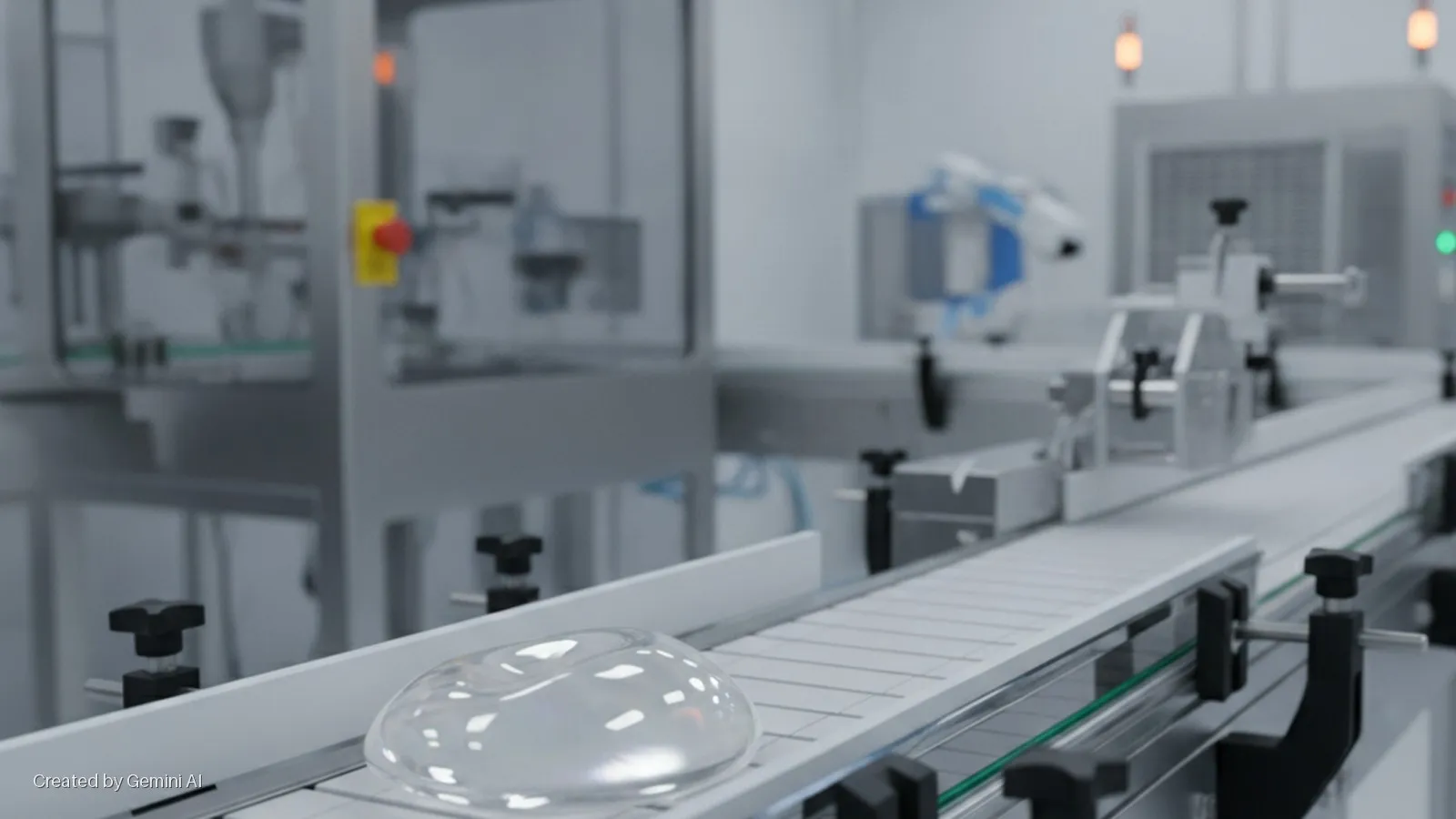
Tensive S.r.l. has signed a convertible loan agreement with the European Investment Bank worth up to €20 million, providing roughly half the funding the Milan-based company says it needs to carry its bioresorbable breast scaffold REGENERA through CE Mark approval, manufacturing scale-up and EU commercialisation.
The EIB facility is structured in two tranches: €8 million (Tranche A) and €12 million (Tranche B), each with a 20-year maturity from the drawdown date. Drawdown of each tranche is subject to financial and contractual conditions. The loan is backed by the European Commission's InvestEU programme. Tensive said it is in active discussions with institutional investors and potential strategic partners to raise the remaining €20 million of its total financing plan, describing the EIB commitment as a catalyst that reduces equity dilution.
Sanjay Kakkar, chief executive of Tensive, said the EIB had reviewed the company's clinical evidence and regulatory file before committing, adding that the financing brings REGENERA "from our recently reported positive pivotal clinical results to a product in the hands of European surgeons."
Clinical evidence base
The announcement follows 12-month data from Tensive's ongoing pivotal trial (NCT05941299), reported in July 2026, covering all 94 enrolled patients. The company said 94.2% of evaluable cases showed good-to-excellent cosmetic outcomes at 12 months, with patient-reported outcomes on the BREAST-Q scale improving significantly versus baseline in the Satisfaction with Breast and Cancer Worry domains (p<0.001). The scaffold also showed no interference with oncologic imaging, a clinically important property given the need for post-lumpectomy radiotherapy targeting and ongoing surveillance.
Separately, five-year follow-up from Tensive's first-in-human study has shown persistent volume replacement and vascularisation at the implant site, with gradual scaffold resorption and no capsule formation. Interim six-month pivotal data were published in April 2026 in the peer-reviewed journal Updates in Surgery.
REGENERA is a polymeric sponge-like scaffold placed in the tumour cavity during lumpectomy, where the patient's own tissue gradually replaces and absorbs it. The company positions this approach as eliminating the need for a separate reconstructive procedure, reducing operative complexity for surgeons and avoiding the rejection risks associated with autologous tissue flaps. Tensive estimates approximately 1.6 million women per year lack a viable reconstruction option following lumpectomy.
Market context and regulatory path
The breast reconstruction device market is a contested space, with established players offering acellular dermal matrices and synthetic mesh products as volume replacement options. Bioresorbable scaffolds designed specifically for the lumpectomy setting are a narrower category, and Tensive appears to be one of a small number of companies pursuing CE marking for this specific indication. The company anticipates EU regulatory approval as early as Q1 2027, after which it intends to pursue a US pathway, suggesting FDA engagement will be a key milestone to watch in 2027 and 2028.
EIB Vice President Gelsomina Vigliotti highlighted the financing as consistent with the bank's focus on women's health innovation and European medical technology capacity. The InvestEU backing, drawing on a €26.2 billion EU budget guarantee, lends the deal a degree of institutional credibility that could help Tensive attract the remaining private capital it needs to complete its financing round.