
Humacyte ATEV beats AV fistula on catheter-free days in Phase 3

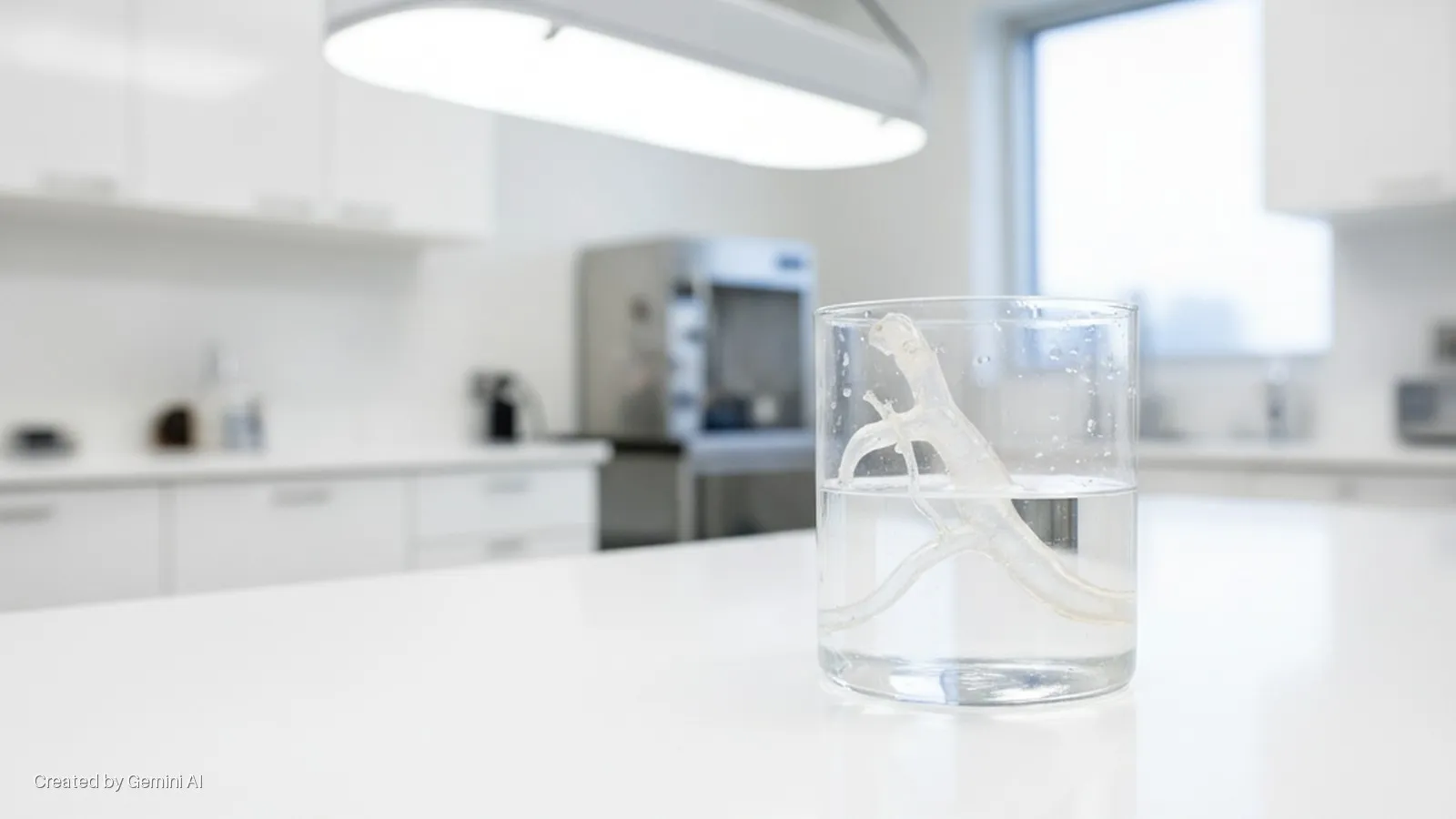
Humacyte has reported positive interim results from its V012 Phase 3 study, showing that its acellular tissue engineered vessel (ATEV) outperformed autologous arteriovenous fistula — the current standard of care — in providing catheter-free days to female dialysis patients. The Durham, North Carolina-based company said it plans to file a supplemental Biologic Licence Application (BLA) with the FDA in the second half of 2026.
In a prespecified interim analysis of the first 80 patients enrolled in the randomised, multi-centre study, ATEV recipients averaged 220 catheter-free days over a 12-month follow-up window, compared with 129 days for patients receiving an AV fistula — a difference of 91 days that was statistically significant (p=0.00070). Under the trial protocol, enrolment has now been terminated following the endpoint being met, though the 120 patients already enrolled will continue to be followed.
Trial data and safety profile
Safety results were equally notable. Patients receiving the ATEV experienced infections at a rate of six per 100 patient years, against 23 per 100 patient years in the AV fistula arm. There were no access-associated infections in the ATEV group and no spontaneous ruptures in either arm. Humacyte's chief medical officer, Shamik Parikh, said the roughly three additional months of catheter-free time represented "a highly significant outcome," adding that reducing reliance on indwelling catheters was critical given their well-documented infection risks.
The target indication for the supplemental BLA is specifically adult patients with end-stage kidney disease who are at elevated risk of AV fistula maturation failure — a population that skews heavily female due to differences in vessel anatomy. Approximately 500,000 Americans currently depend on haemodialysis, and maturation failure is one of the persistent clinical shortcomings of the fistula-first approach that has guided dialysis access guidelines for decades.
Market context and regulatory read-across
Humacyte already holds an FDA Biologics Licence for the ATEV in the extremity vascular injury indication, approved in December 2024. The V012 data, if accepted by the agency in a supplemental submission, would meaningfully expand the addressable market. The ATEV also carries both Regenerative Medicine Advanced Therapy (RMAT) and Fast Track designations for the haemodialysis access indication, which should facilitate expedited review.
The dialysis access market is not without competition. Synthetic grafts made from expanded polytetrafluoroethylene (ePTFE) are widely used in patients who are poor fistula candidates, but they carry elevated infection and thrombosis rates relative to native tissue. Humacyte's bioengineered vessel — derived from cultured human cells but rendered acellular to reduce immune rejection — is positioned between biological and synthetic options, and the infection-rate differential reported in V012 will be a key differentiator in any commercial narrative.
Results from the study are being presented at the Society for Vascular Surgery's Vascular Annual Meeting in Boston on 11 June 2026, which will bring the dataset to the attention of the vascular surgery community ahead of the BLA submission. Investor attention will now turn to the FDA's response timeline and whether the agency requests additional data given the interim — rather than final — nature of the analysis.