
VERAXA Biotech taps ATUM to develop cell lines for BiTAC-TCE programme

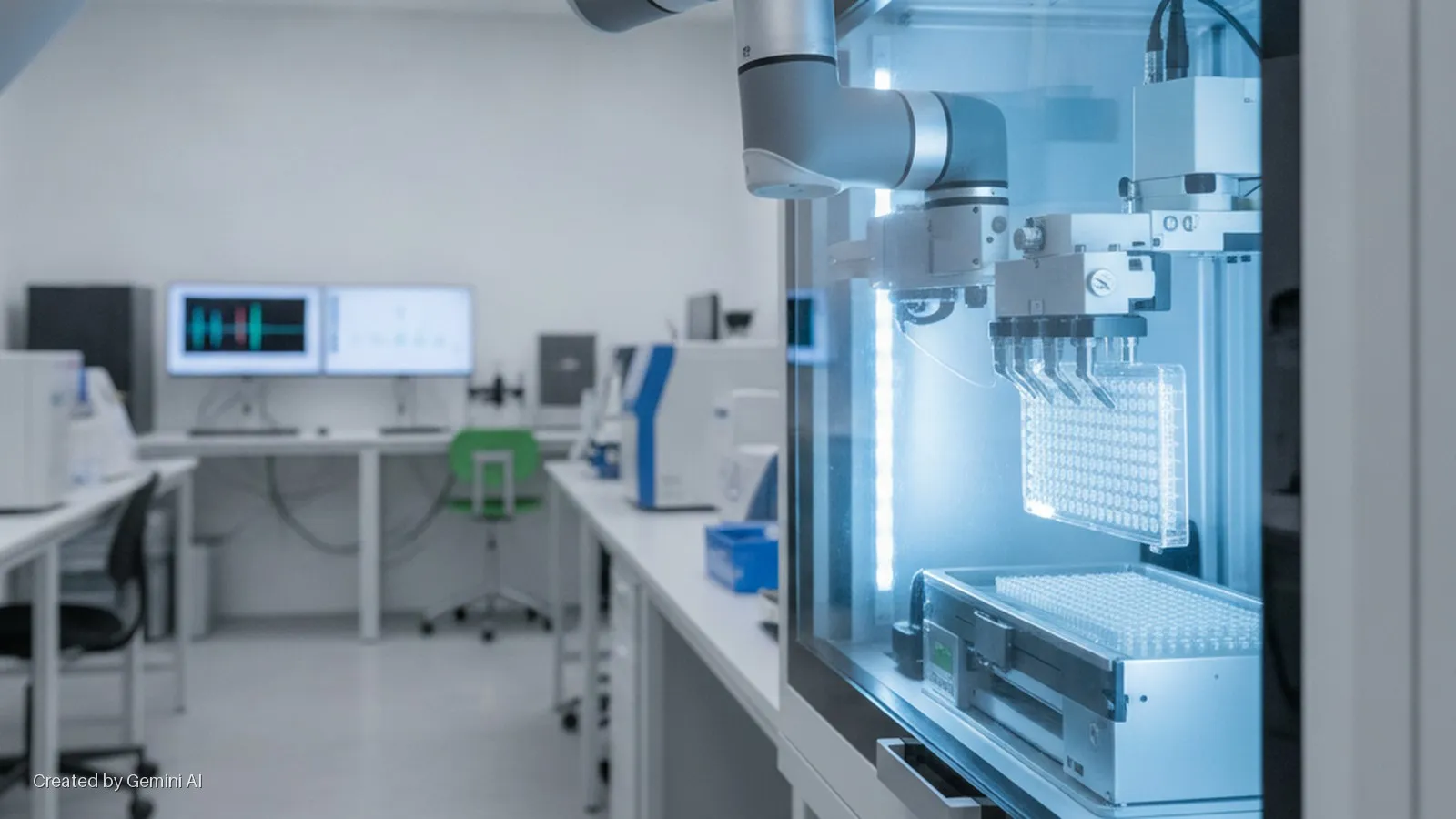
VERAXA Biotech AG has initiated cell line development for its lead BiTAC T-cell engager (BiTAC-TCE) programme, engaging Newark-based contract research organisation ATUM to apply its proprietary Leap-In Transposase technology. The work is intended to generate stable, high-producing clonal cell lines that will support chemistry, manufacturing and controls (CMC) development, nonclinical study supply, and ultimately IND- and CTA-enabling activities.
ATUM's Leap-In Transposase platform has been used in the cell line development work underpinning more than 50 IND submissions to date, making it a well-characterised option for complex multi-chain biologic formats. That track record is relevant here because VERAXA's BiTAC architecture requires balanced expression of multiple protein components, a task that standard transient-expression systems handle poorly.
The BiTAC mechanism
Conventional T-cell engagers work by tethering cytotoxic T-cells to tumour cells, typically via simultaneous CD3 and tumour-antigen binding. The limitation is selectivity: because many tumour antigens are also expressed at lower levels on healthy tissue, on-target but off-tumour activation can produce serious toxicity and constrains the doses that can be administered safely. This toxicity profile has been a persistent cause of attrition in the broader bispecific TCE field.
VERAXA's BiTAC strategy addresses this by splitting the engager into two inactive precursors. Each retains its tumour-binding capability in isolation, but the CD3-activating domain is only reconstituted when both precursors engage their respective target antigens on the same cell simultaneously. The result is an "AND"-gated activation logic that, in principle, restricts T-cell killing to cells displaying both target markers and spares healthy cells carrying only one. Preclinical data presented at the American Association for Cancer Research Annual Meeting in April 2026 showed the lead candidate attacking dual-positive target cells while sparing single-positive cells, with a safety profile described by the company as superior to a conventional TCE comparator at matched efficacy.
Market and competitive context
The bispecific T-cell engager space has expanded substantially since the approvals of blinatumomab and tarlatamab, and a number of developers are pursuing conditional or masked-TCE formats to widen the therapeutic window. Approaches broadly fall into two categories: protease-cleavable masks that rely on tumour microenvironment enzymes to unmask a single-chain engager, and dual-antigen coincidence designs of the kind VERAXA is pursuing. Each carries distinct manufacturing and selectivity trade-offs. VERAXA's conditional-assembly approach is differentiated from mask-and-cleave designs in that it does not depend on variable protease activity within the tumour microenvironment, though the clinical validation of any coincidence-detection strategy in humans remains to be demonstrated.
Christoph Erkel, Vice President of Research and Development at VERAXA, said the engagement with ATUM was "an important next step for our lead BiTAC-TCE program following the encouraging preclinical data we presented at AACR", and pointed to ATUM's expertise with advanced multi-chain formats as the rationale for the partnership.
For VERAXA, the immediate milestones are the completion of stable cell line generation and progression into formal IND-enabling toxicology and CMC work. The company has not disclosed the specific tumour antigen pair targeted by its lead programme, nor a projected IND filing timeline. Investors will watch for that disclosure, alongside any indication of whether VERAXA intends to advance the programme independently or seek a co-development partner before reaching the clinic.