
Lecanemab subcutaneous autoinjector approved in China for early AD

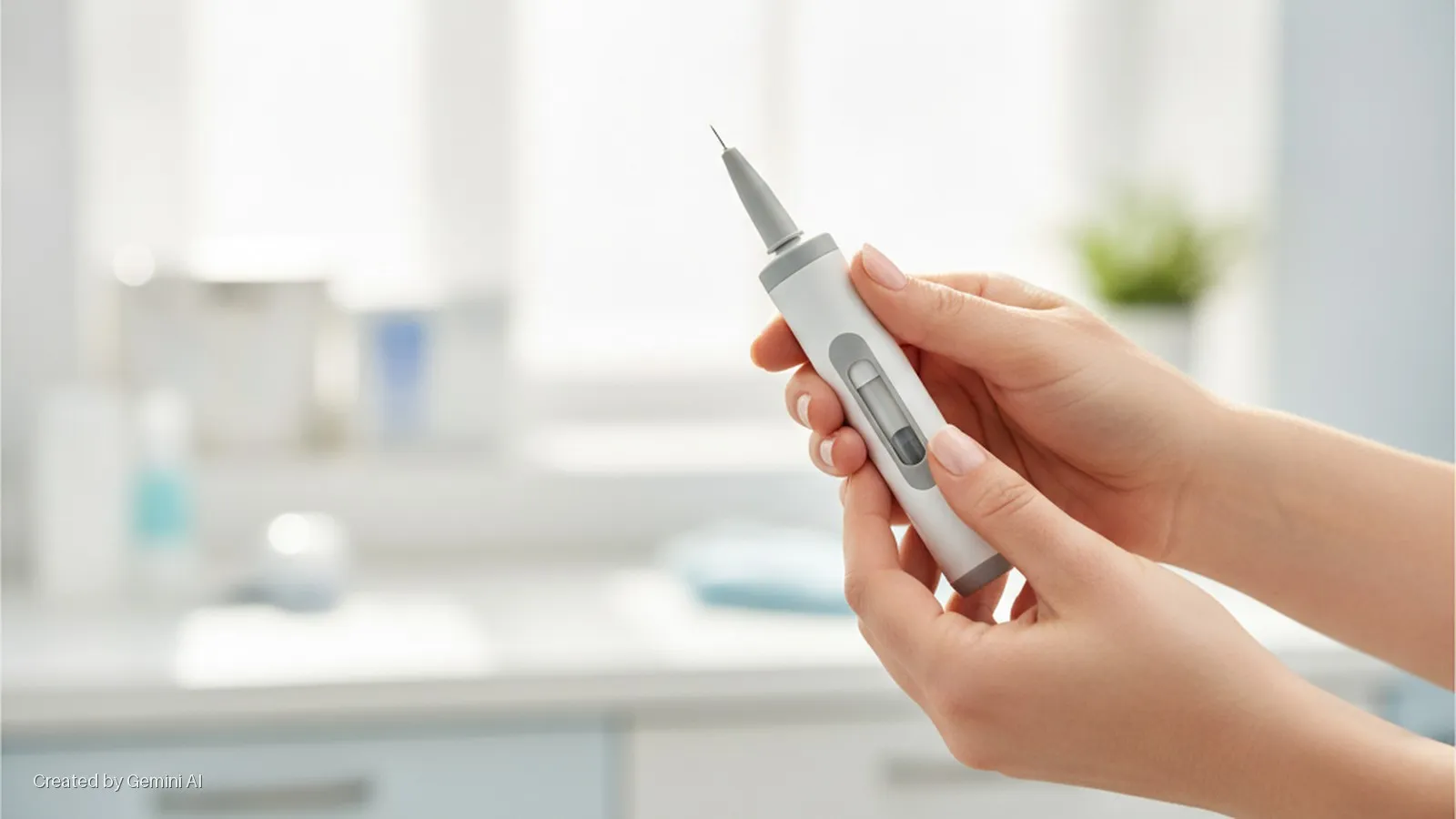
Eisai and Biogen have secured approval from China's National Medical Products Administration (NMPA) for a subcutaneous autoinjector formulation of lecanemab (LEQEMBI), allowing patients with mild cognitive impairment or mild dementia due to Alzheimer's disease to self-administer the anti-amyloid antibody at home on a once-weekly basis. China becomes the second market globally to clear the device, following the United States, where subcutaneous initiation dosing was approved in July 2026.
The approved regimen consists of 500 mg administered as two consecutive 250 mg injections each week. Each injection takes approximately 15 seconds, in contrast to the bi-weekly intravenous infusion given in a hospital setting that the subcutaneous route supplements or replaces. Patients already on intravenous lecanemab may switch to the autoinjector, and vice versa, giving clinicians and patients meaningful flexibility. ARIA monitoring via brain MRI remains mandatory at initiation and at defined subsequent intervals regardless of the administration route.
Regulatory path and supporting data
The NMPA accepted Eisai's application in January 2026 and granted Priority Review designation, compressing the standard review timeline. The approval draws on integrated data from the 18-month core Phase 3 Clarity AD study and several subcutaneous sub-studies conducted in the drug's long-term extension, including a Chinese patient cohort. Pharmacokinetic modelling demonstrated exposure equivalence between once-weekly 500 mg subcutaneous dosing and the established bi-weekly 10 mg/kg intravenous regimen, with comparable clinical and biomarker outcomes. The overall safety profile of the subcutaneous route was broadly consistent with intravenous administration; injection-site reactions were mainly localised and systemic reactions were infrequent.
Eisai estimates approximately 17 million people in China had MCI or mild dementia attributable to Alzheimer's in 2024, a number expected to grow as the population ages. The intravenous formulation launched in China in June 2024, giving Eisai an established commercial infrastructure. Launch of the autoinjector is planned within Eisai's current financial year, ending 31 March 2027.
Market context and competitive dynamics
The subcutaneous approval matters beyond China. The shift from clinic-based infusion to home injection is a recurring pressure point in the commercialisation of anti-amyloid therapies: healthcare systems in most markets lack sufficient infusion capacity to accommodate the projected volumes of eligible patients, and the bi-weekly clinic visit is a recognised barrier to uptake among patients and carers alike. A home-use device that reduces nursing and infusion-suite resource requirements could meaningfully broaden the addressable population.
Lecanemab is currently approved in 53 countries and regions, and the subcutaneous initiation formulation is under regulatory review in a further three, including Japan. Donanemab, Eli Lilly's competing anti-amyloid antibody, received US approval in mid-2024 and is advancing through further market filings, though it currently lacks a subcutaneous option. The broader anti-amyloid field is also watching the AHEAD 3-45 preclinical trial, in which lecanemab is the investigational agent, for evidence that intervention before symptom onset can alter disease trajectory: positive results would considerably expand the addressable population and reinforce the commercial logic of a convenient home-dosing regimen.
Eisai retains final decision-making authority over development and regulatory strategy under the partnership with Biogen, and will handle Chinese distribution directly.