
Pluristyx secures Japan patent for synthetic mRNA iPSC reprogramming

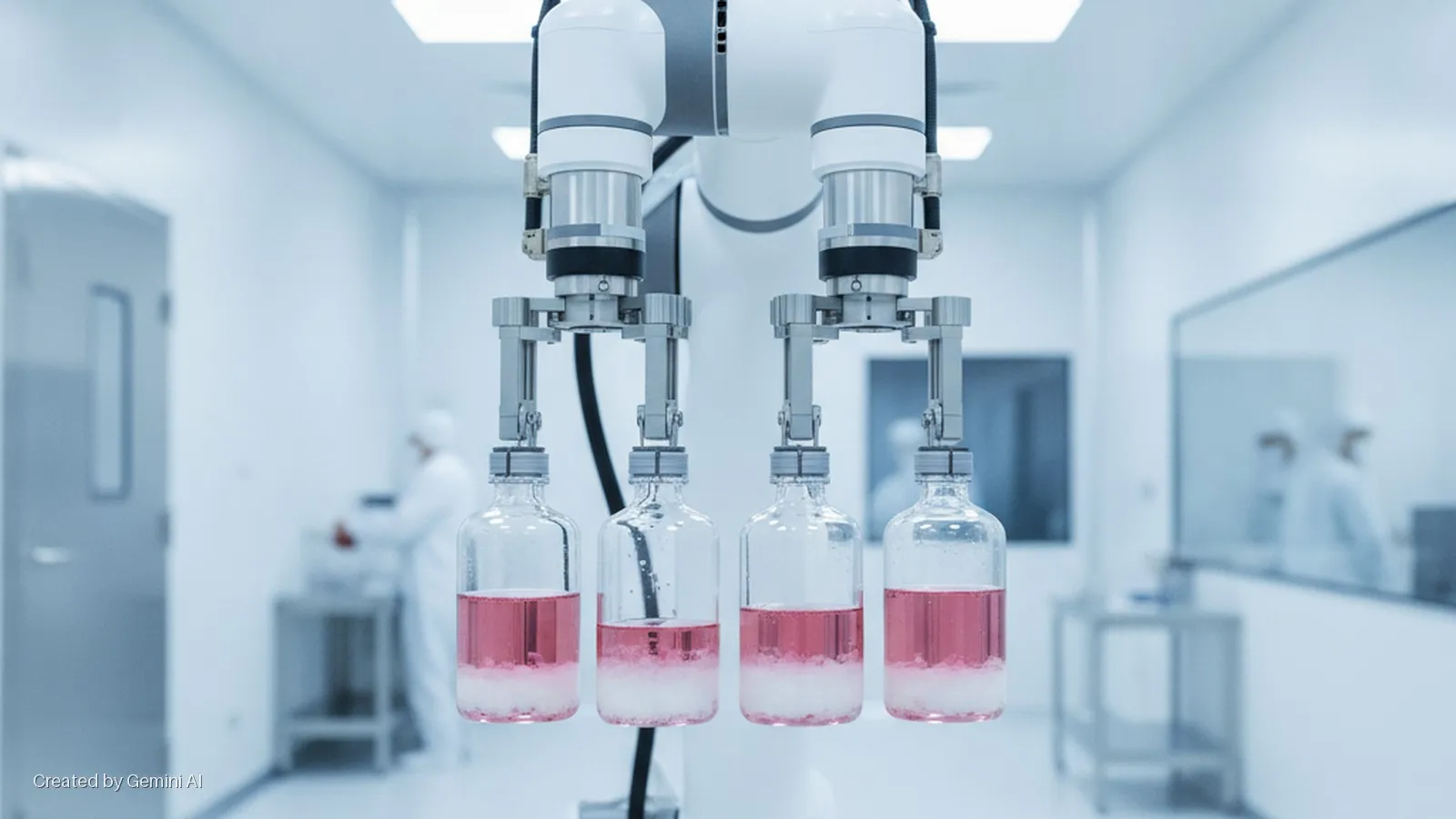
Pluristyx has received a Notice of Allowance from the Japanese Patent Office for a synthetic mRNA technology designed to accelerate the reprogramming of induced pluripotent stem cells (iPSCs) for clinical and commercial use. The allowed application, titled "Engineered Expression Constructs to Increase Protein Expression from Synthetic Ribonucleic Acid (RNA)", covers constructs that stabilise mRNA and boost protein expression without relying on modified nucleosides, microRNA sites, or immune-evading factors.
The core technology was originally developed by Riboz, LLC and subsequently licensed and built upon by Pluristyx. The Seattle company is now applying it to the generation of clinical-grade iPSC lines at commercial scale, positioning the patent as a key asset in its broader intellectual property portfolio.
What the technology does
Where conventional iPSC reprogramming methods typically require more than 90 days and involve labour-intensive manual clonal selection, Pluristyx says its platform compresses line generation to fewer than 30 days by using synthetic RNA transcripts containing only natural nucleosides. That approach, the company says, reduces innate immune responses associated with viral and DNA-based reprogramming methods, limits mutagenic risk, and improves genomic stability across thousands of selectable clones from a single starting cell line.
The ability to express a multiplex of pluripotency transcription factors at precisely calibrated relative levels is central to the technology's performance in reprogramming, a more demanding application than single-protein expression. Dr Kambiz Mousavi, Founder and CEO of Riboz, said the system was designed to provide "tunable control without modified nucleosides", and described the JPO allowance as validation of that design principle.
Pluristyx chief executive Dr Benjamin Fryer said the patent reinforces the company's mission to provide cell-line manufacturers with a faster, safer route from reprogramming to regulatory-compliant clinical delivery, adding that Japan's transition from iPSC research leadership to commercial approvals makes this an important moment to secure local IP protection.
Market and regulatory context
Japan is a strategically significant jurisdiction for this type of IP. The country established an accelerated regulatory pathway for cell and gene therapies in 2015 under the Act on the Safety of Regenerative Medicine and related amendments to the Pharmaceutical Affairs Law, placing the Pharmaceuticals and Medical Devices Agency (PMDA) among the more progressive regulators in the space. Pluristyx notes that the first two commercial iPSC-derived cell therapies have now been approved in Japan, signalling the market is entering a commercial rather than purely developmental phase.
Globally, the iPSC manufacturing services sector is becoming increasingly competitive. A number of contract development and manufacturing organisations and platform biotechs, including several university spinouts in the UK, Europe, and Japan itself, are pursuing similar approaches to non-viral reprogramming and scalable iPSC production. The key differentiators being contested in this space are reproducibility at GMP scale, avoidance of genomic integration, and regulatory acceptance by agencies including the PMDA, FDA, and EMA. A protected, non-integrating synthetic mRNA approach that demonstrably reduces mutagenic risk addresses several of those criteria simultaneously, which is likely to strengthen Pluristyx's position in partnering negotiations with therapeutic developers building allogeneic cell therapy pipelines.
Pluristyx said it intends to use the newly protected IP to expand its partnering programmes, offering therapeutic developers access to its clinical-grade, gene-edited, and immune-cloaked iPSC lines as part of a non-viral reprogramming-to-clinic workflow. The company's existing portfolio already includes a FailSafe safety switch and an iACT immune cloaking system, suggesting a strategy of building IP-protected differentiation across multiple stages of the iPSC development continuum rather than competing on cost alone.