
Optimi Health ships psilocybin to UK for Phase 2 clinical trial

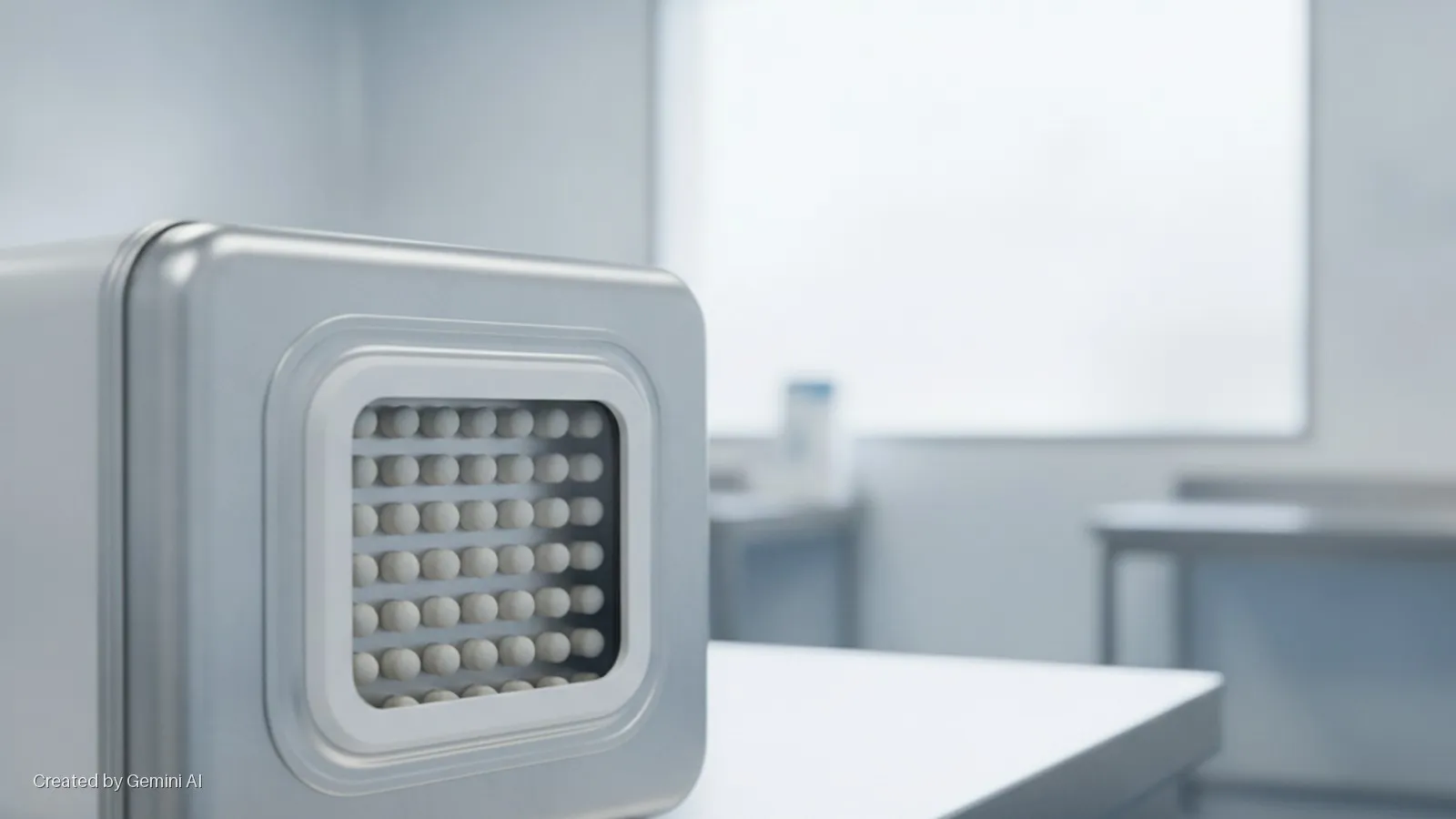
Optimi Health Corp. has completed its first export of naturally derived psilocybin to the United Kingdom, shipping both biomass and finished 5mg capsules to support a planned Phase 2 clinical trial. The NASDAQ-listed company said it intends to name the trial partner and target indication at a later date.
The exported product was manufactured at Optimi's Good Manufacturing Practice facility in Princeton, British Columbia, under its Health Canada Drug Establishment Licence. Shipment was authorised by Health Canada on the Canadian side and by the UK Home Office on the receiving end — a dual-regulatory clearance that underscores the controlled nature of the supply chain. The capsule formulation is the same product currently prescribed to patients in Australia under that country's Authorised Prescriber Scheme for treatment-resistant depression.
Vertically integrated supply
Optimi positions itself as a vertically integrated supplier, cultivating psilocybin biomass and processing it through to finished dosage form at a single licensed site. Chief executive Dane Stevens said the company can "serve a commercial market and a clinical trial from the same GMP facility, on our own licence," describing that as a rare capability built over several years. The company also supplies MDMA drug products to regulated markets internationally.
The release notes that a portion of a recently completed GMP production run was earmarked specifically for European clinical research, suggesting the UK shipment is part of a broader commercialisation strategy rather than a one-off transaction.
Regulatory and market context
The psilocybin research landscape in the United Kingdom has expanded since the MHRA granted its first clinical-trial authorisations for psilocybin studies in treatment-resistant depression and other indications. The UK remains a Schedule 1 substance jurisdiction for psilocybin, meaning each import requires a specific Home Office licence — a significant regulatory hurdle that limits which manufacturers can supply trials cost-effectively. Optimi's existing authorisations give it a structural advantage over academic or small-scale producers seeking to enter the space.
Globally, the psychedelic-assisted therapy sector has matured considerably since the early proof-of-concept work at Imperial College London and Johns Hopkins. Several clinical-stage companies, including those developing synthetic psilocybin formulations, are now competing for trial supply contracts. Optimi's differentiation rests on its naturally derived, botanically sourced API and its dual commercial and clinical supply capability from a single regulated facility. Whether naturally derived psilocybin carries any clinical or regulatory advantage over synthetic comparators remains an open question and one that ongoing trials, including this UK study, may eventually help to address.
With treatment-resistant depression representing a large unmet need and regulators in Australia and, prospectively, the UK becoming more receptive to psychedelic-assisted treatment frameworks, Optimi's ability to supply finished drug product to multiple jurisdictions from one GMP site could prove commercially significant — provided trial data across the sector continues to support the therapeutic hypothesis.