
IBA to install Brazil's first proton therapy centre in Rio de Janeiro

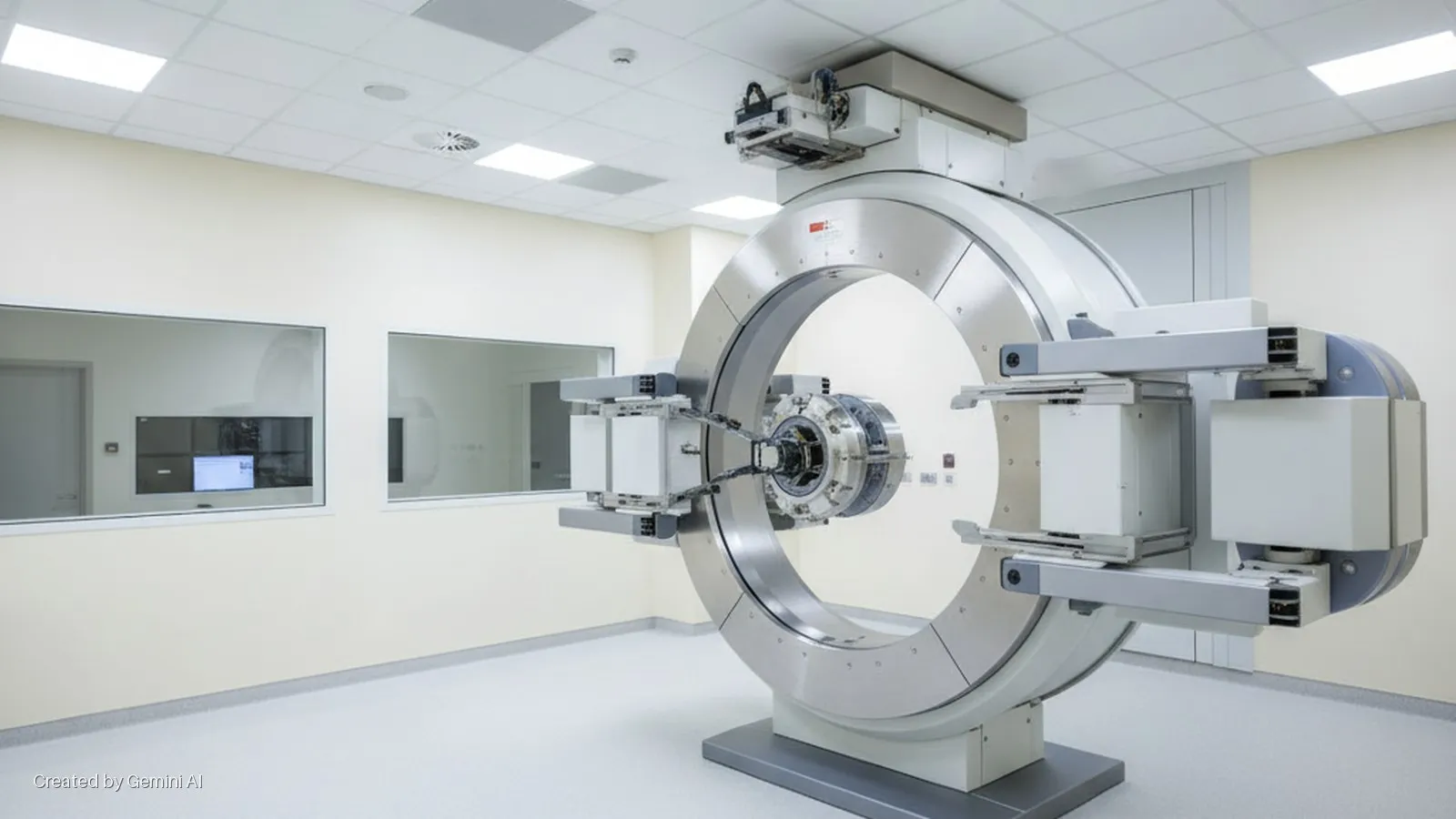
Ion Beam Applications (IBA) has signed a contract with the Fundação Severino Sombra (FUSVE) to install a Proteus ONE proton therapy system at a new centre in Barra da Tijuca, Rio de Janeiro. The facility will be Brazil's first proton therapy centre and is expected to begin treating patients in the first half of 2030, with a primary focus on paediatric oncology.
FUSVE, a non-profit philanthropic institution operating the University of Vassouras and Hospital Mário Kroeff, developed the project in close partnership with Brazil's National Cancer Institute (INCA). The contract covers the supply of the Proteus ONE system; a multi-year operation and maintenance agreement is expected to be signed at a later stage. The typical end-user price for a Proteus ONE system with a multiyear maintenance contract ranges between €35 million and €45 million, according to IBA.
A regional first for Latin America
The Rio de Janeiro centre will be only the second proton therapy facility on the South American continent, with both sites running IBA technology. IBA did not identify the first Latin American centre in the release. The project also includes a roadmap for a second treatment room, suggesting FUSVE intends to scale capacity over time as clinical demand grows and local expertise develops.
Gustavo Oliveira do Amaral, President of FUSVE, said the institution selected IBA because it wanted "a partner, not just a supplier," citing the Belgian company's track record in paediatric proton therapy specifically. IBA chief executive Olivier Legrain described the partnership as contributing to making proton therapy "available to patients in Brazil," framing the deal as part of the company's broader mission to extend access to advanced radiotherapy beyond established markets.
Market context and competitive landscape
Proton therapy remains one of the more capital-intensive modalities in radiation oncology, which has historically limited its adoption to well-funded academic medical centres in North America, Europe, Japan and South Korea. IBA is the dominant global supplier of proton therapy systems, competing principally with Varian (a Siemens Healthineers company) and Mevion Medical Systems, which offers its own compact single-room solution.
The move into Latin America reflects a broader industry trend: as installed-base growth in saturated Western markets slows, proton therapy vendors are increasingly targeting emerging economies where cancer incidence is rising and government or philanthropic capital is being directed toward oncology infrastructure. Brazil has one of the largest cancer burdens in South America, and INCA's involvement signals national-level institutional backing for the project.
For IBA, the deal also reinforces the commercial positioning of the Proteus ONE as a compact, single-room system well suited to institutions that cannot yet justify a multi-room facility. The inclusion of a future second-room roadmap in the contract is a notable commercial detail, suggesting IBA has structured the agreement to facilitate upselling as FUSVE's programme matures.
Investors will be watching for confirmation of the maintenance contract value once finalised, as recurring service revenue is a key component of IBA's financial model. Patient treatments are not expected to begin until 2030, meaning the near-term revenue impact will be limited to the capital equipment portion of the deal.