
LENZ Therapeutics signs fifth ex-US VIZZ deal with Arrotex

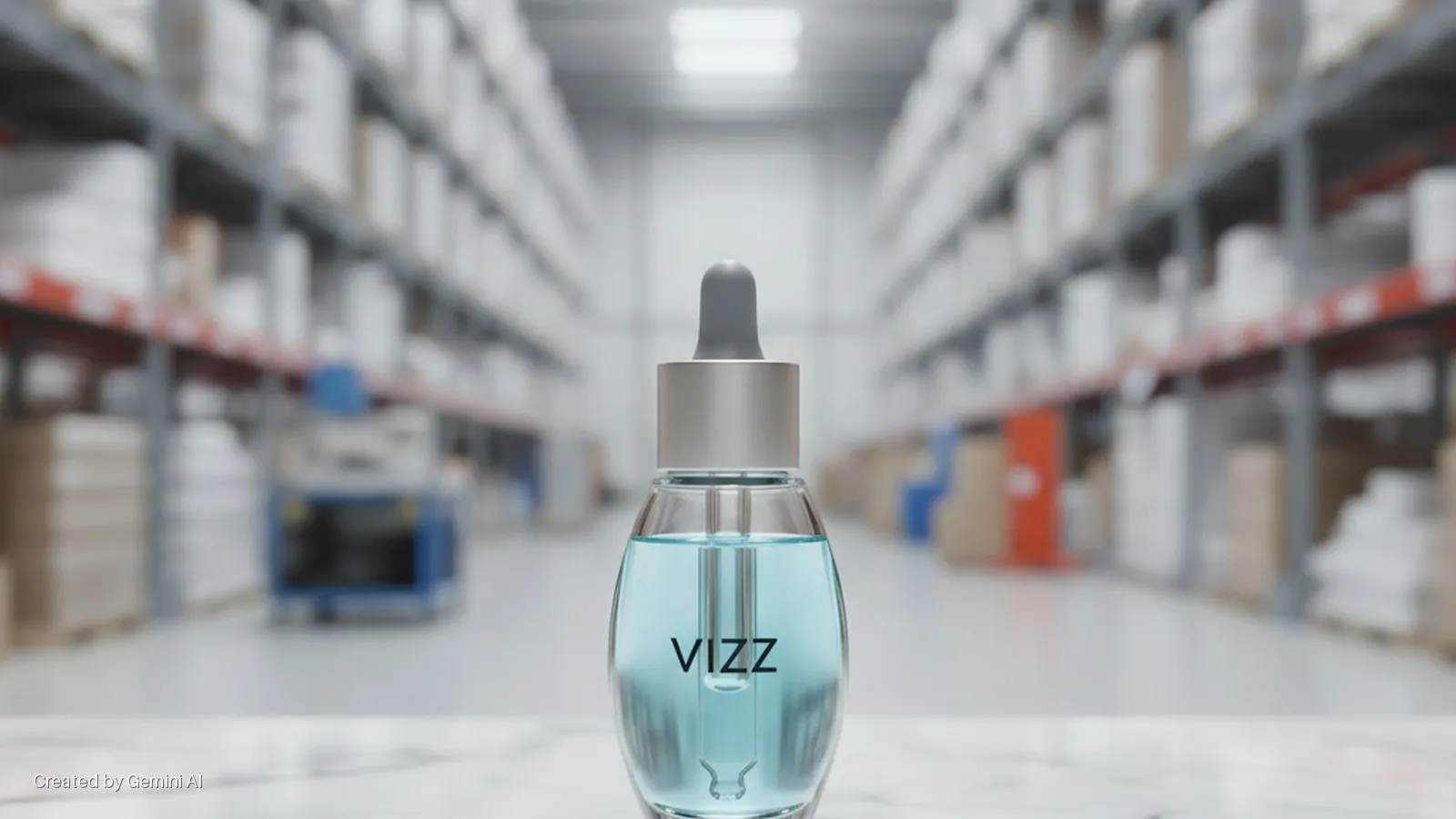
LENZ Therapeutics has signed an exclusive licence and commercialisation agreement with Arrotex Pharmaceuticals, granting the Australian company rights to register and sell VIZZ (aceclidine ophthalmic solution 1.44%) for presbyopia in Australia and New Zealand. The deal is the fifth ex-US partnership LENZ has struck for the product since receiving FDA approval in July 2025.
Under the terms announced on 24 June 2026, LENZ will receive an upfront payment and a profit share from gross margin on Australian and New Zealand sales. Financial specifics were not disclosed. Arrotex, which is part of the DBG Health group and describes itself as Australia's largest and most diversified pharmaceutical company, will handle registration and commercialisation across both markets.
The deal
VIZZ is a once-daily, preservative-free eye drop supplied in single-dose vials. It works by contracting the iris sphincter muscle to create a pinhole effect that extends depth of focus, improving near vision for up to ten hours. Aceclidine, the sole active ingredient, is described by LENZ as predominantly pupil-selective, meaning it causes minimal ciliary muscle stimulation relative to older miotic agents.
Eef Schimmelpennink, president and chief executive of LENZ, said the Arrotex partnership "underscores our commitment to broadening access to our presbyopia therapy worldwide." Dennis Bastas, chairman and group chief executive of DBG Health, characterised VIZZ as a "first-to-market, once-daily solution" for patients seeking freedom from reading glasses, though regulatory approval in Australia and New Zealand has not yet been granted and will depend on the local registration process.
VIZZ has been commercially available in the United States since October 2025, approximately three months after its FDA clearance. Presbyopia affects an estimated 1.8 billion people globally and is near-universal in adults over 45, making it one of the largest unmet-need segments in ophthalmic care by sheer patient volume.
Market context
The pharmacological presbyopia market remains nascent but has attracted significant commercial interest since Allergan's Vuity (pilocarpine 1.25%) became the first FDA-approved drop in the category in late 2021. VIZZ joins a small group of approved products differentiated primarily by mechanism, duration of action, and tolerability profile. Aceclidine's selective iris activity is LENZ's principal differentiator versus pilocarpine-based options, which carry a higher rate of headache and brow-ache at therapeutic doses.
For Arrotex, the partnership continues a pattern of licensing branded innovative medicines from overseas developers for the Australian and New Zealand markets, where generic dominance in prescription volumes makes branded deals commercially attractive for both parties. The company's pharmacy network reach is a practical asset given that presbyopia is largely self-diagnosed and managed at the point of dispensing rather than through specialist referral.
LENZ's approach of building a string of regional licences, rather than a single global distribution agreement, reflects a strategy common among small-cap, single-asset commercial-stage biotechs: it preserves upside via profit-sharing structures while outsourcing the cost and complexity of building local commercial infrastructure. Investors will be watching the pace of international regulatory approvals, and the eventual sales contribution from ex-US territories, as indicators of whether the strategy can meaningfully supplement US revenues.