
Conavi Medical wins FDA 510(k) for hybrid IVUS-OCT imaging system

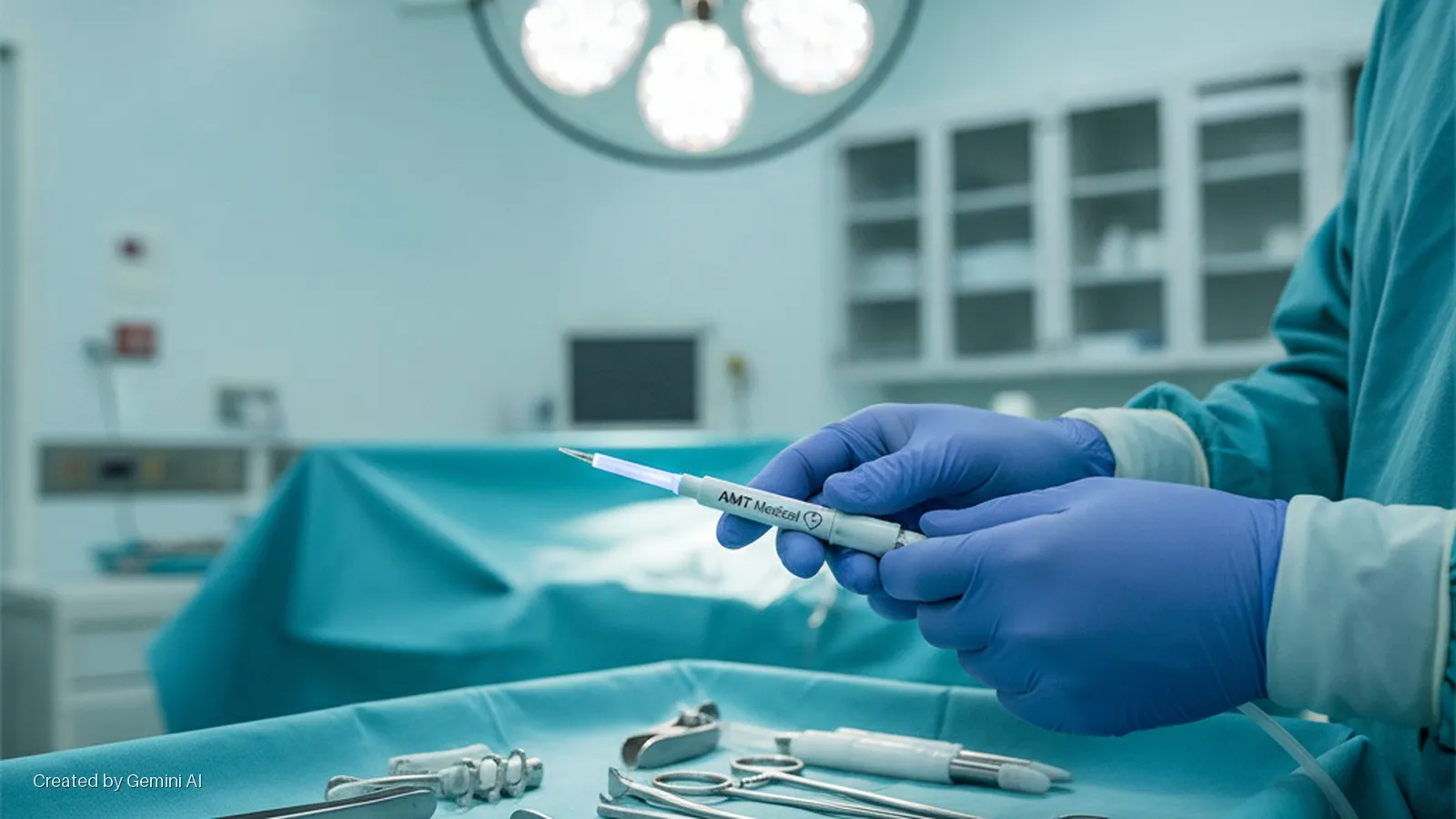
Conavi Medical has received 510(k) clearance from the US Food and Drug Administration for its next-generation Novasight Hybrid intravascular imaging system, a device that combines intravascular ultrasound (IVUS) and optical coherence tomography (OCT) in a single workflow. The clearance, granted on 20 April 2026, marks the company's most significant regulatory milestone to date and clears the path for a commercial launch in the United States.
The Toronto-listed company (TSXV: CNVI) is now completing manufacturing transfer activities, building initial inventory, and preparing for what it describes as a targeted market release at US hospitals before the end of calendar 2026. A $10 million public offering, closed on 12 August 2026, will fund the commercialisation push alongside working capital requirements.
Financial position
Conavi's fiscal third-quarter results, covering the three months to 30 June 2026, reflected the cost of that push. Net loss widened to $6.3 million Canadian from $3.6 million in the comparable prior-year period, driven largely by increased research and development spending of $4.4 million versus $3.2 million a year earlier. Revenue of $0.1 million was flat quarter-on-quarter, though nine-month revenue of $0.5 million fell sharply against $8.8 million in the same period of fiscal 2025, which had included non-recurring milestone income from a technology transfer agreement with East Ocean Medical.
Cash on hand at quarter-end stood at just $0.9 million, against $5.8 million at the start of fiscal 2026, underscoring how critical the subsequent public offering was to near-term solvency. In addition, Conavi received a $1.25 million milestone payment from the Province of Ontario's Life Sciences Scale-Up Fund in June, triggered by the FDA clearance. The province may provide up to $2.5 million in total under the programme.
Thomas Looby, president and chief executive, said the clearance allowed the company to "move forward with commercialization in the U.S." and cited a peer-reviewed case report, published in July in the Journal of the Society for Cardiovascular Angiography and Interventions, as evidence of clinical demand for the hybrid approach. The paper described how the system supported lesion assessment and contrast management in a patient with chronic kidney disease and complex coronary plaque morphology.
Market context
Intravascular imaging is a growing segment of the interventional cardiology device market. IVUS and OCT are established individually, but combining both modalities in a co-registered, single-catheter system is a less crowded space. Conavi's principal proposition is that operators can access complementary information from both imaging types without switching catheters, which is relevant in complex cases where anatomical detail and tissue characterisation are both required. Larger established players in cardiovascular imaging include Abbott and Terumo, which market standalone IVUS and OCT systems with significant installed base advantages.
For a company of Conavi's scale, a first US clinical placement later this year will be a proof-of-commercialisation moment closely watched by investors. The company's thin cash position prior to its August financing, and the shift from milestone-heavy to product-revenue-driven income, means that uptake at early US hospital sites will shape its ability to raise further capital on favourable terms. Near-term milestones to watch include initial placement announcements, any expansion of its clinical publication programme, and the drawdown of remaining Ontario Life Sciences Scale-Up Fund tranches.