
DiamiR and AlzLabs join forces on Alzheimer's biomarker study

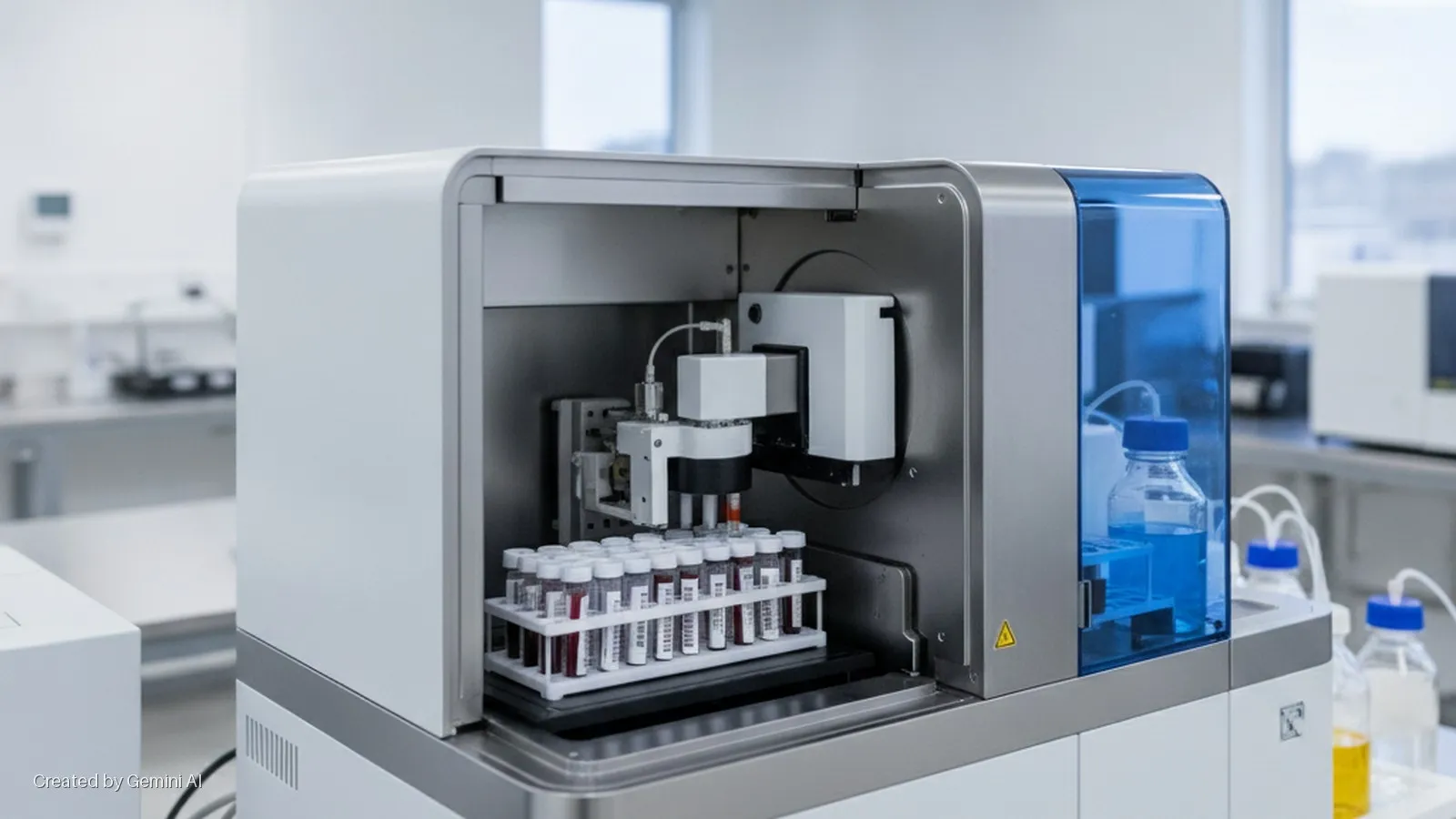
DiamiR Biosciences and AlzLabs Precision Diagnostics have entered a research collaboration to generate blood-based biomarker data for Alzheimer's disease, combining protein analytes with DiamiR's proprietary microRNA platform. The announcement was made by Aptorum Group (NASDAQ: APM), which is in the process of completing an all-stock merger with DiamiR that shareholders of both companies approved on 9 June 2026.
The study will measure established protein markers of neurodegeneration, including phosphorylated tau 217 (p-Tau 217), amyloid beta 42/40 ratio and neurofilament light chain (NfL), in plasma samples drawn from participants whose amyloid status has already been confirmed by amyloid PET imaging. Using PET as the reference standard lends the work a degree of clinical credibility, as amyloid PET remains the established benchmark for confirming Alzheimer's pathology in living patients.
What the collaboration adds
DiamiR's chief executive, Alidad Mireskandari, said the team intends to assess each biomarker panel both as a standalone test and in combination with CogniMIR, the company's microRNA signature technology, which is protected by more than 50 issued patents. The longer-term goal is to offer a broad non-invasive brain health testing menu through DiamiR's CLIA-certified, CAP-accredited laboratory, serving clinicians, clinical researchers and biopharmaceutical clients conducting trials in neurodegeneration.
AlzLabs, based in Princeton, focuses on expanding access to blood-based brain biomarker testing and emphasises longitudinal tracking as a route to earlier detection of neurobiological change. Neither company disclosed the number of samples involved, the study timeline, or whether the collaboration is funded or royalty-bearing.
Market context
Blood-based Alzheimer's diagnostics have attracted substantial commercial and clinical interest since the approval of lecanemab and donanemab brought disease-modifying therapy closer to routine use, creating demand for accessible patient-selection and monitoring tools that do not depend on PET scanning or lumbar puncture. Several companies are active in the space, including Fujirebio and Roche, which have CE-marked and FDA-cleared plasma p-Tau and amyloid assays, and smaller players developing multiplex panels that combine protein and RNA signatures.
The DiamiR-AlzLabs collaboration sits at the exploratory end of that spectrum: the study is generating biomarker data rather than validating a commercial product, and no regulatory submission timeline has been disclosed. Nonetheless, the combination of established protein markers with a proprietary microRNA layer is a differentiated approach, and the PET-confirmed sample set should allow meaningful sensitivity and specificity calculations if the cohort is adequately powered.
The pending Aptorum-DiamiR merger, which is expected to close before the end of fiscal 2026, will bring DiamiR under the NASDAQ-listed parent and rename the combined entity Niki BioSolutions. That transaction provides DiamiR with a public-market vehicle at a point when the Alzheimer's diagnostics sector is drawing serious investor attention.