
Diasome Phase 2b data shows HDV-insulin cuts hypoglycemia in T1D

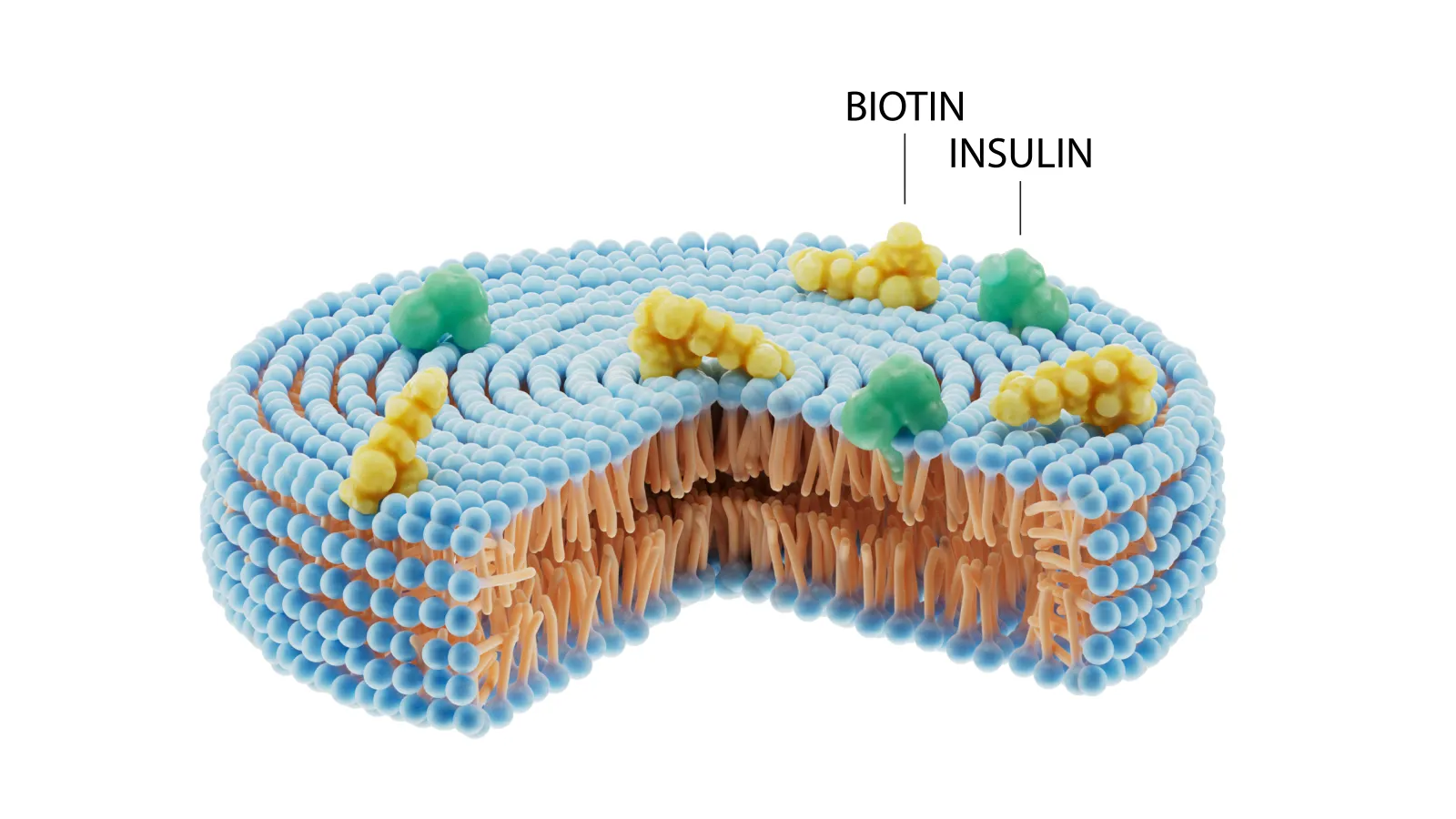
Diasome Pharmaceuticals has presented Phase 2b results from OPTI-2, a 25-week, double-blind, randomised controlled trial evaluating its hepatocyte-directed vesicle insulin lispro (HDV-LIS) against standard insulin lispro (LIS) in 226 adults with type 1 diabetes. The data, delivered as an oral presentation at the American Diabetes Association's 86th Scientific Sessions in New Orleans, showed that HDV-LIS maintained comparable glycaemic control whilst delivering statistically significant reductions in hypoglycaemic events during the study's maintenance period.
A1C non-inferiority was confirmed at both Week 12 and Week 25, with point-estimate differences of 0.08% and 0.07% respectively — below the FDA's required threshold of 0.1%. Critically, no patients randomised to HDV-LIS experienced a Level 3 (severe) hypoglycaemic event over six months of mealtime dosing, compared with five such events in the LIS group.
Trial results in detail
During the prespecified maintenance period, HDV-LIS produced statistically significant reductions across multiple secondary endpoints. Daytime Level 2 hypoglycaemic events fell by 33% (rate ratio 0.67; p=0.009), while 24-hour extended hypoglycaemia events — defined as glucose below 70 mg/dL for more than two consecutive hours — fell by 36% (rate ratio 0.64; p=0.029). Across the full study, 47 of 51 CGM-measured hypoglycaemia endpoints favoured HDV-LIS.
The trial's composite primary endpoint — requiring simultaneous A1C non-inferiority and superiority in at least one nocturnal hypoglycaemia metric during dose optimisation — narrowly missed statistical significance at Week 12, with 14 of 15 point estimates favouring HDV-LIS but falling short of the superiority threshold. Diasome and the trial's investigators point to the maintenance period data, which the FDA regards as the preferred window for assessing hypoglycaemia, as the more clinically meaningful signal.
Principal investigator Klara Klein, assistant professor of medicine at the University of North Carolina School of Medicine, said the study showed "potential to decouple glycaemic control from hypoglycaemia risk," adding that if confirmed in larger studies, HDV-LIS "could allow people living with T1D to achieve glycaemic targets with less concern about clinically meaningful hypoglycaemia."
Treatment-emergent adverse events were broadly comparable between arms (53.6% HDV-LIS vs 50.0% LIS). Serious adverse events occurred in one HDV-LIS participant (0.9%) and eight LIS participants (7.0%). No deaths, diabetic ketoacidosis, or clinically meaningful hepatic safety signals were observed in either group.
Market context and Phase 3 path
The hypoglycaemia tradeoff that HDV-LIS targets has been a recognised constraint in intensive diabetes management since the landmark DCCT study in 1993. Approximately 20% of adults with type 1 diabetes still experience at least one severe hypoglycaemic event each year — a burden that has persisted even among users of advanced automated insulin delivery systems.
Diasome's liver-targeting approach positions the company in a space attracting growing attention. Established players including Novo Nordisk and Eli Lilly dominate the insulin market, and both are investing heavily in next-generation metabolic therapies, including GLP-1 receptor agonists. Several academic and commercial groups are investigating hepatic-preferential insulin delivery, though Diasome's phospholipid bicelle platform is relatively differentiated in its mechanism.
Chief executive Robert Geho said OPTI-2, combined with A1C non-inferiority demonstrated in two consecutive blinded trials, provides "clear support to advance the programme into Phase 3." The company also indicated that its HDV platform is being explored in metabolic disease and obesity, where hepatic targeting may offer additional clinical utility. A Phase 3 design and regulatory engagement timeline were not disclosed in the release.