
Beyond Air posts record $2.3m quarter as LungFit PH adoption grows

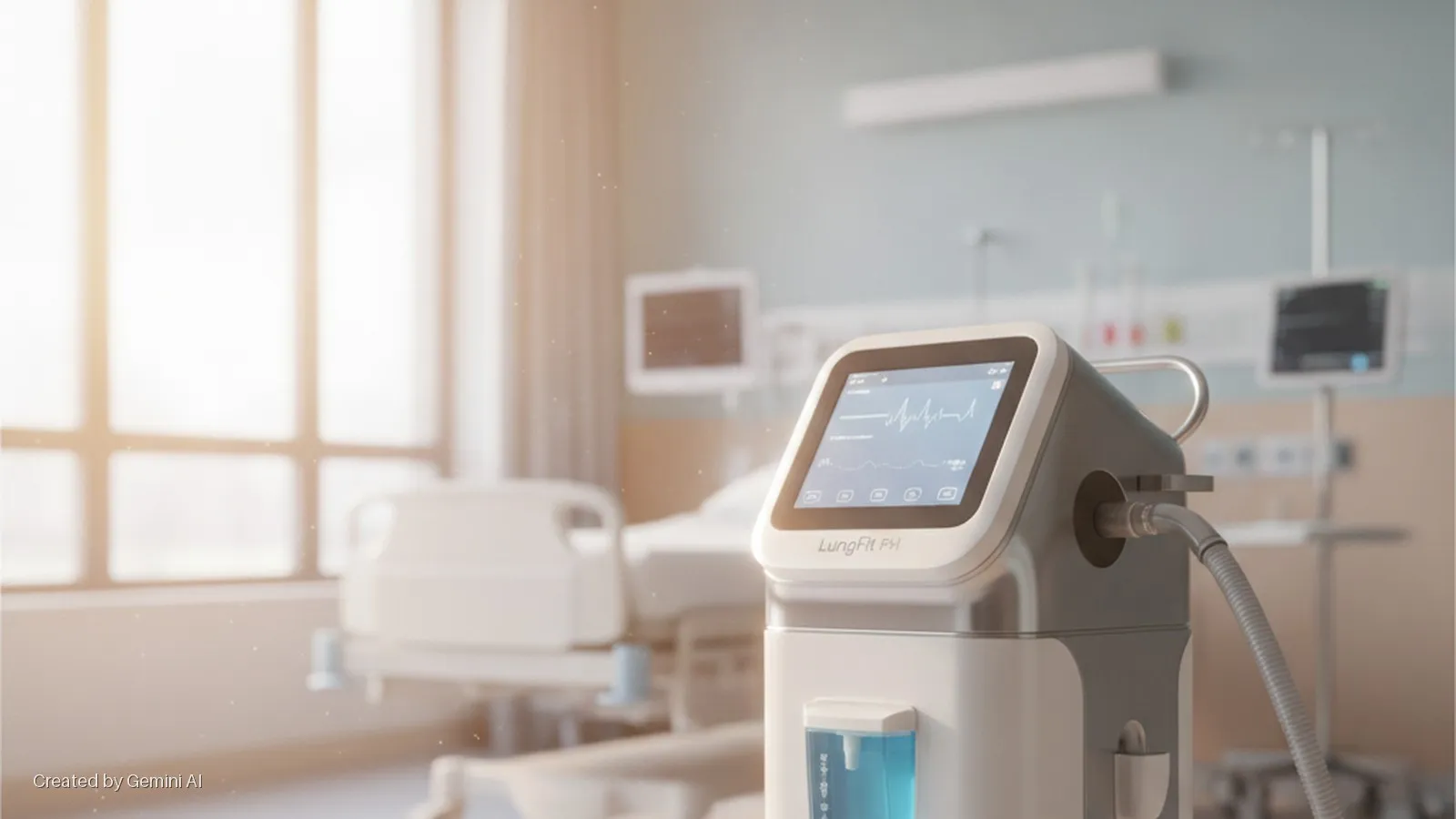
Beyond Air has reported preliminary, unaudited revenue of approximately $2.3 million for the quarter ended 30 September 2026, the highest quarterly figure the NASDAQ-listed company has recorded. The result represents sequential growth of around 30% on the prior quarter and a 27% increase year on year, driven by continued hospital uptake of its first-generation LungFit PH nitric oxide delivery system.
The Garden City, New York-based company attributed the performance to what it described as an enhanced commercial execution strategy rolled out over the past year. Full audited results for the quarter are expected in November 2026.
Revenue guidance and the second-generation device
Beyond Air reaffirmed full-year 2026 revenue guidance of $8 million, a figure that excludes any contribution from the second-generation LungFit PH system, which remains under review by the US Food and Drug Administration via a pre-market approval supplement process. For calendar year 2027, the company maintained guidance of $16 million to $18 million, a range that is contingent on the second-generation device receiving FDA clearance.
The principal commercial advantage of the next-generation system is the addition of transport capability, which would allow Beyond Air to position itself as a single-source nitric oxide provider across a hospital's care settings. Chief executive Robert Goodman noted that single-source provision is already the prevailing model in most US hospital systems, suggesting the upgrade could materially expand the company's addressable share of existing accounts rather than requiring greenfield sales.
"Our second-generation system remains under review by the FDA, and we expect demand for the LungFit PH platform to increase significantly following FDA approval," Goodman said.
Market context and competitive landscape
Inhaled nitric oxide is an established therapy for persistent pulmonary hypertension of the newborn and certain post-cardiac-surgery indications. Historically, the market has been served by cylinder-based delivery systems supplied by large industrial-gas and pharmaceutical companies. Beyond Air's cylinder-free, on-demand generation approach differentiates it on operational grounds: eliminating the need for high-pressure gas cylinders and associated purging steps reduces hospital logistics and safety overhead.
The competitive environment in nitric oxide delivery has attracted a small number of device-focused challengers alongside the established cylinder suppliers. Broader adoption of cylinder-free systems depends in part on procurement inertia within hospital systems and the willingness of formulary committees to shift away from incumbent suppliers. Beyond Air's growing revenue trend suggests it is making inroads, but at $2.3 million per quarter the company remains small relative to the overall nitric oxide therapy market.
Beyond Air is also pursuing nitric oxide at higher concentrations for respiratory infections, including chronic lung infections in the home setting, though those programmes are at earlier stages and are not reflected in current commercial revenues.
Investors will be focused on two near-term catalysts: the FDA's decision on the PMA supplement for the second-generation device, and whether full-year 2026 revenues track to the reaffirmed $8 million guidance. With approximately $5.7 million needed across the final quarter to meet the annual target, Q4 execution will be closely watched.