
SeaStar Medical secures ICD-10-PCS codes for SCD kidney therapy

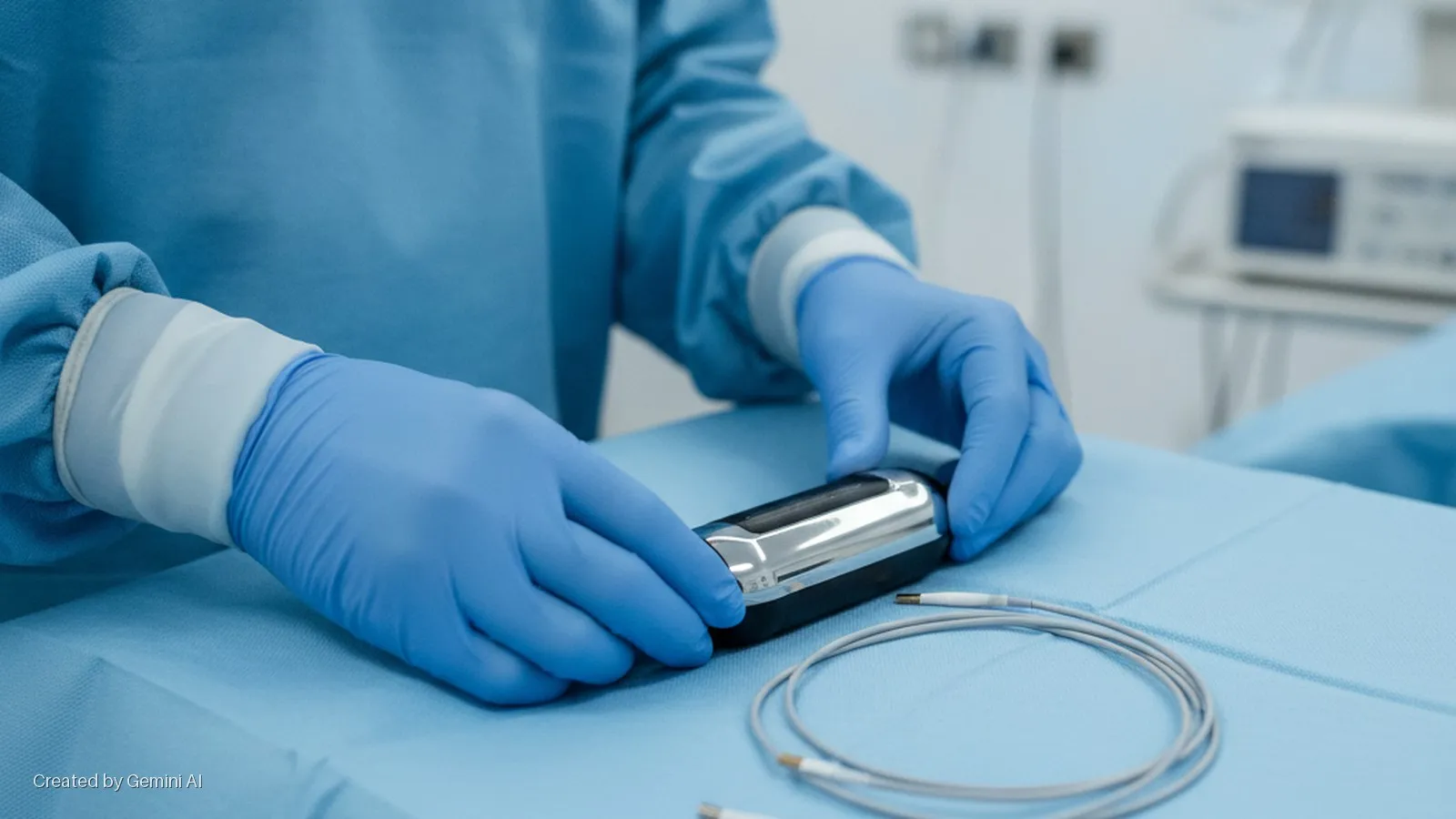
SeaStar Medical Holding Corporation has secured three dedicated ICD-10-PCS procedure codes for its Selective Cytopheretic Device (SCD) therapy in acute kidney injury (AKI), with the codes taking effect on 1 October 2026. The Denver-listed company said the codes will simplify inpatient billing and data tracking at US hospitals, removing a practical barrier that the company acknowledged had constrained uptake of its QUELIMMUNE therapy.
The three new codes cover urinary filtration via selective cytopheresis across different session durations: intermittent treatment of less than six hours, prolonged intermittent treatment of six to eighteen hours, and continuous treatment exceeding eighteen hours. SeaStar said the codes are broadly applicable to all AKI patients requiring renal replacement therapy (RRT), positioning them as a foundation for billing adult indications should the SCD therapy win FDA approval beyond its current paediatric licence.
Coding milestone and commercial backdrop
QUELIMMUNE received FDA approval in February 2024 under a Humanitarian Device Exemption for critically ill paediatric patients aged ten kilograms and above with AKI and sepsis requiring RRT. It is the only FDA-approved product for this ultra-rare paediatric indication. Before today's coding update, hospitals using the device faced documentation ambiguity when seeking reimbursement, a friction point that commonly slows adoption of novel medical devices in US inpatient settings even after regulatory clearance.
Tim Varacek, Senior Vice President of Commercial and Business Operations at SeaStar Medical, said the codes "will simplify the hospital coding process" and "support our mission to broaden access to QUELIMMUNE therapy for children with AKI who are facing permanent organ damage and loss of life."
Clinical data published in Kidney Medicine from two trials of QUELIMMUNE showed a 77% survival rate compared to standard of care, representing approximately a 50% reduction in mortality against historical data. Post-approval surveillance data from the QUELIMMUNE SAVE Registry, published in Pediatric Nephrology in February 2026 and covering twenty-one paediatric patients, reported no device-related adverse events, a 76% survival rate at Day 28 and Day 60, and a 71% rate at Day 90.
Adult indication and competitive landscape
The more commercially significant opportunity lies in adult AKI. SeaStar is currently running the NEUTRALIZE-AKI pivotal trial, a 339-patient randomised study in adults with AKI in the ICU receiving continuous RRT. The composite primary endpoint combines 90-day mortality and dialysis dependency. The company estimates that more than 200,000 adults in the US are affected by AKI requiring continuous RRT annually, a population for which no FDA-approved treatment currently exists.
The SCD therapy's mechanism, selectively modulating proinflammatory monocytes and activated neutrophils rather than broadly filtering blood, differentiates it from existing RRT and blood-purification approaches. The FDA has granted Breakthrough Device Designation to the SCD platform across six therapeutic indications, which typically confers more intensive FDA interaction and can support faster review timelines.
Broader reimbursement infrastructure in the form of dedicated procedure codes will be important if NEUTRALIZE-AKI delivers positive results. The paediatric indication's Humanitarian Device Exemption pathway limits commercial scale by design, but a successful pivotal trial in adults would open a substantially larger market. Investors and hospital procurement teams will be watching the NEUTRALIZE-AKI readout as the pivotal milestone that determines whether today's billing framework becomes the foundation of a sizeable commercial launch or remains a niche coding solution.