
MMI raises $125m Series D to scale Symani robotic microsurgery

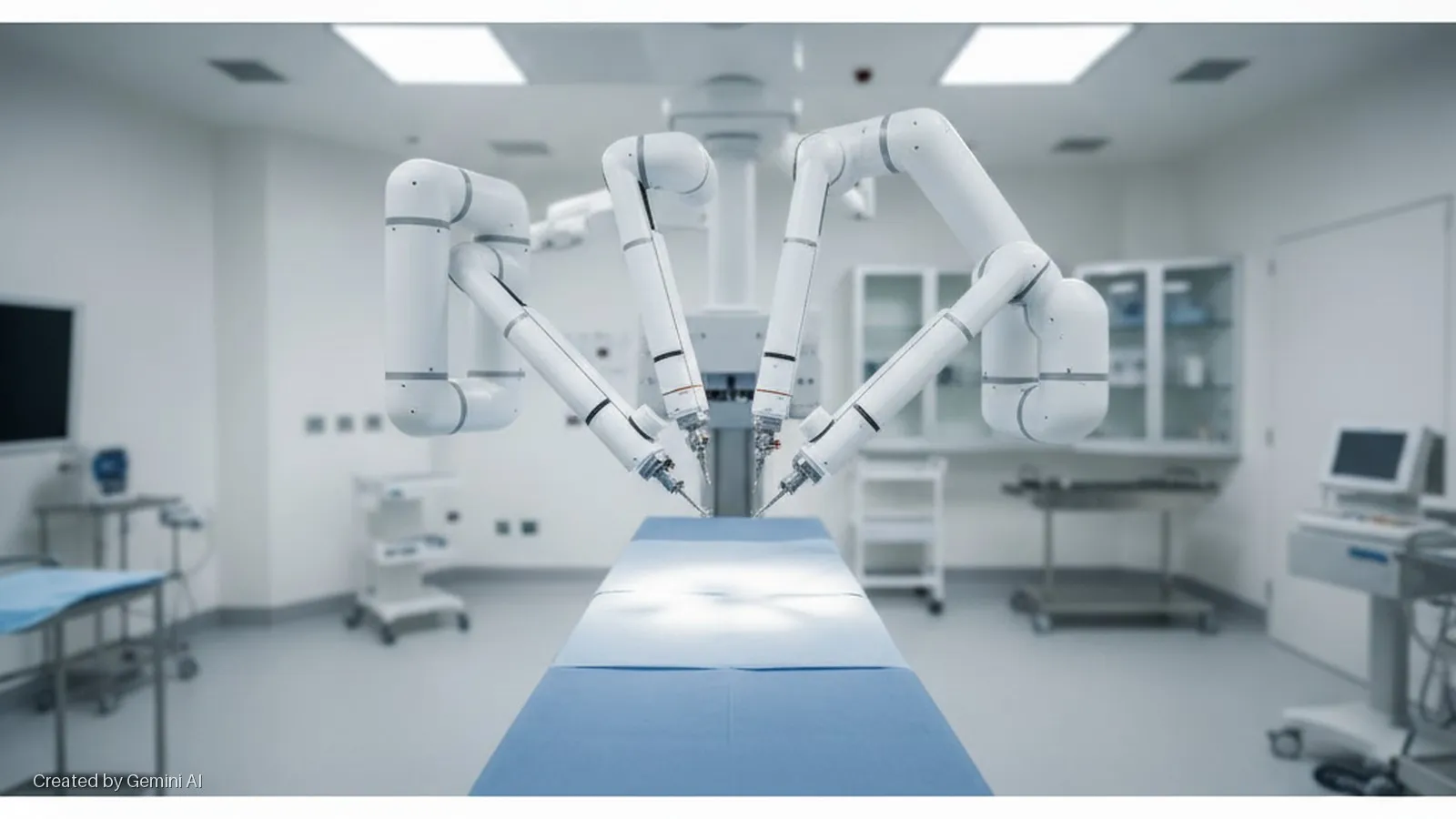
Medical Microinstruments, Inc. (MMI) has closed a $125 million Series D financing round to accelerate the commercial rollout of its Symani Surgical System, a robotic platform designed for open soft-tissue microsurgery. The round was led by existing backer BioStar Capital, with new investors S3 Ventures and Angelini Ventures joining alongside an undisclosed strategic corporate investor and existing shareholders.
The Jacksonville-based company said approximately 50 Symani systems are now installed worldwide and that the platform has been used to perform around 3,500 complex microsurgical procedures. The fresh capital will fund continued US and international commercial expansion, investment in outcomes data, and further development of adjacent capabilities including energy instruments and digital surgery tools.
Chief executive Mark Toland said the company is now focused on translating early institutional adoption into broader scale. "This investment gives us the ability to expand our reach, accelerate adoption and continue advancing the platform through innovation in areas like energy instruments and digital surgery capabilities," he said.
Clinical ambition and the REMIND study
Beyond its established indications in microvascular repair and lymphatic reconstruction, MMI is pursuing more speculative territory. The company is sponsoring the REMIND study, which is investigating whether robotic microsurgery could play a role in Alzheimer's disease research, an area Toland described as one where "the opportunities are remarkable." MMI did not provide an update on REMIND's design, current enrolment, or timeline in the release.
The Symani system holds FDA clearance in the US and CE marking in Europe. In European and Asia-Pacific markets, its approved indications extend to peripheral nerve repair, a capability that has not yet been authorised by the FDA for the US market.
Louie Cannon, founder and senior managing director of BioStar Capital, described MMI as "the pinnacle" of what his firm seeks, positioning the company as capable of creating capabilities medicine did not previously have. The superlatives reflect genuine investor enthusiasm, though the commercial install base of roughly 50 systems remains modest relative to the capital raised and the scale implied by the company's growth narrative.
Market context and competitive landscape
Robotic surgery is a crowded and well-capitalised field. Intuitive Surgical dominates the laparoscopic segment with its da Vinci platform, while a cohort of better-funded challengers including CMR Surgical, Medtronic's Hugo system, and Johnson and Johnson's Ottava are competing in minimally invasive surgery. MMI is carving a distinct niche in open microsurgery, a technically demanding sub-discipline that most robotic platforms do not address, which limits direct head-to-head competition but also constrains the addressable market in the near term.
Lymphatic surgery and reconstructive microsurgery are growth areas, partly driven by improving survival rates in cancer patients who go on to develop conditions such as lymphoedema. A number of academic medical centres in the US and Europe have been building dedicated microsurgery programmes, a trend that supports MMI's institutional sales model. Whether the company can expand beyond elite referral centres into broader surgical practice will be a key question for investors as it deploys this latest round.