
nCAP Medical RCT shows NeuroCuple cuts opioid use after knee surgery

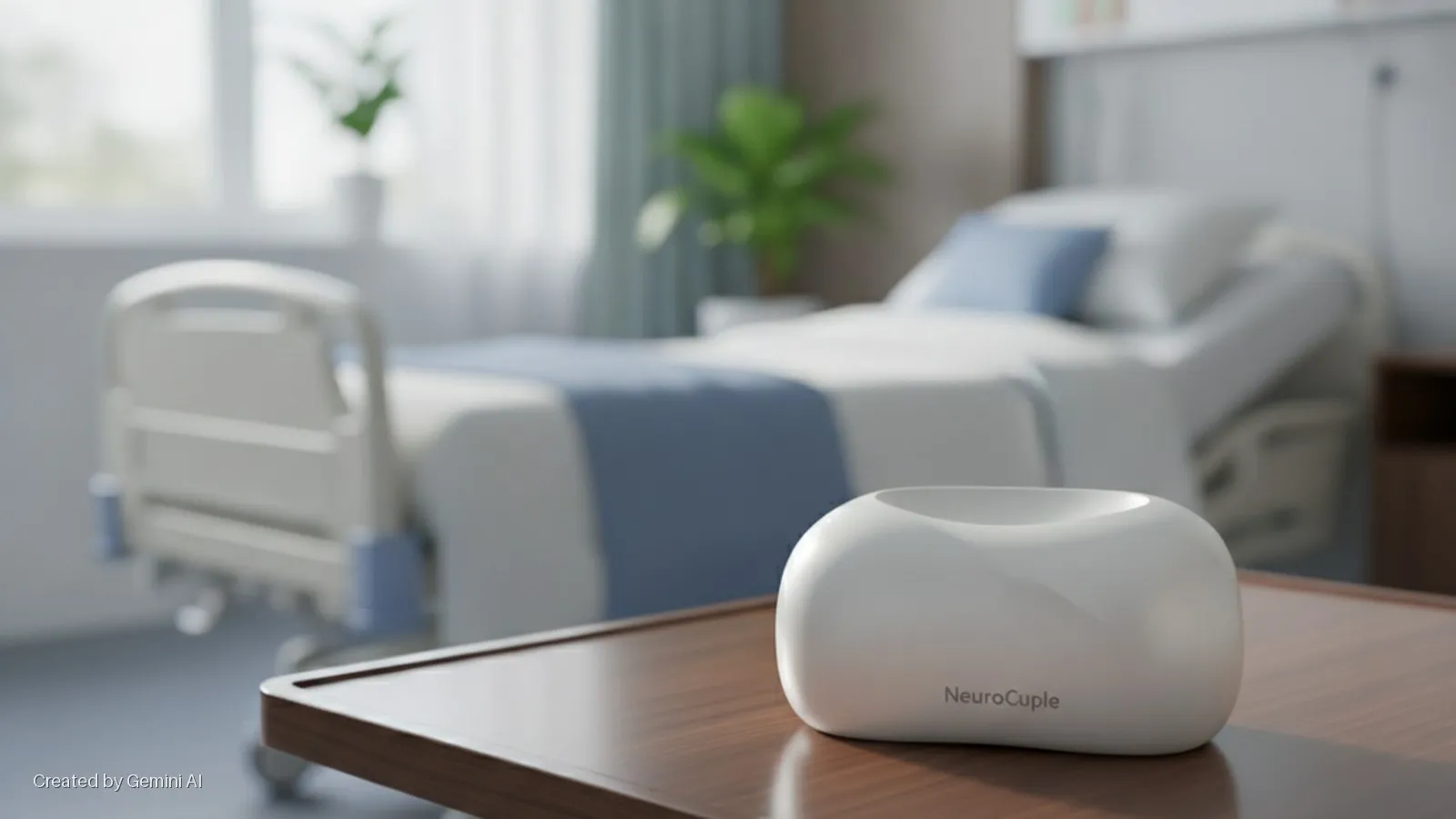
nCAP Medical has published results from a prospective, randomised, placebo-controlled trial showing its NeuroCuple nanotechnology device produced statistically significant reductions in opioid consumption, pain scores, and hospital length of stay in patients recovering from total knee arthroplasty (TKA). The paper, authored by Klatt BA et al., appeared in The Journal of Arthroplasty in June 2026.
The trial enrolled 156 patients at two University of Pittsburgh Medical Centre sites between April 2024 and July 2025. Participants were randomised 1:1 to either an active NeuroCuple device or an identical sham unit containing no nanocapacitors, with blinding applied to patients, nurses, surgeons and the research team. Patients wore the device for at least 12 hours per day across two weeks post-surgery and were followed for six weeks in total. The study received partial funding from the National Institute on Drug Abuse, a division of the NIH.
Key results
Across the pre-specified endpoints, the active arm showed a 26% reduction in opioid consumption during the first 24 hours in hospital (25.6 mg versus 34.4 mg morphine milligram equivalent; p=0.015), a 14% reduction in pain-at-rest score at one week (3.5 versus 4.1 on the numerical rating scale; p=0.04), and a 19% shorter hospital stay (20.8 hours versus 25.7 hours; p=0.006). Postoperative nausea and vomiting incidence fell by 30% per patient, and rescue antiemetic use dropped by 41%. No serious device-related adverse events were reported.
Jacques Chelly, principal investigator and a physician at UPMC, said the results "underscore the potential for meaningful improvements in post-surgical recovery and healthcare resource utilisation," pointing in particular to the combined opioid reduction and earlier discharge finding as commercially significant metrics for hospital procurement decisions.
The device is described by the company as capturing excess electrical charges generated by surgical trauma via millions of nanocapacitors embedded in its internal layer, with the aim of restoring cellular electrical equilibrium and thereby reducing pain without drugs, electrical power, or invasive procedures. The mechanism is novel and, as yet, has not been independently replicated across multiple centres, which is a caveat clinicians are likely to weigh alongside the trial data.
Market context and regulatory path
Non-opioid post-surgical analgesia is a fast-moving segment attracting both device and pharmaceutical developers, driven by longstanding concern over the prescribing cascade that follows elective orthopaedic procedures. nCAP Medical notes that more than 95% of TKA patients in the United States receive an opioid prescription within one week of surgery, a figure that has proved resistant to change despite prescribing guidelines from professional bodies and payer pressure. The company puts projected annual US TKA volume at 1.26 million by 2030, implying a substantial addressable market if non-pharmacological adjuncts achieve routine adoption.
NeuroCuple currently holds an FDA low-risk device designation for over-the-counter use but has not yet received clearance for hospital deployment. Chief executive Anthony Sutera said the company is "focused on advancing our FDA regulatory pathway" alongside a planned larger multicentre trial intended to broaden the evidence base to patient populations with anxiety, depression, and pre-operative opioid use. Those subgroups are clinically important: patients with pre-existing opioid exposure or mental health comorbidities tend to consume significantly more analgesic medication post-operatively, and demonstrating efficacy in those cohorts would substantially strengthen the commercial and regulatory case.
nCAP Medical was spun out from nCAP Holdings as an independent C-corporation in early 2026 and has received $10.3 million in NIH non-dilutive funding across three grants. Two double-blind clinical trials have now been completed. The regulatory timeline for device clearance and the design of the multicentre follow-on study have not yet been publicly disclosed.