
Serenity Medical wins FDA Breakthrough Device tag for tinnitus stent

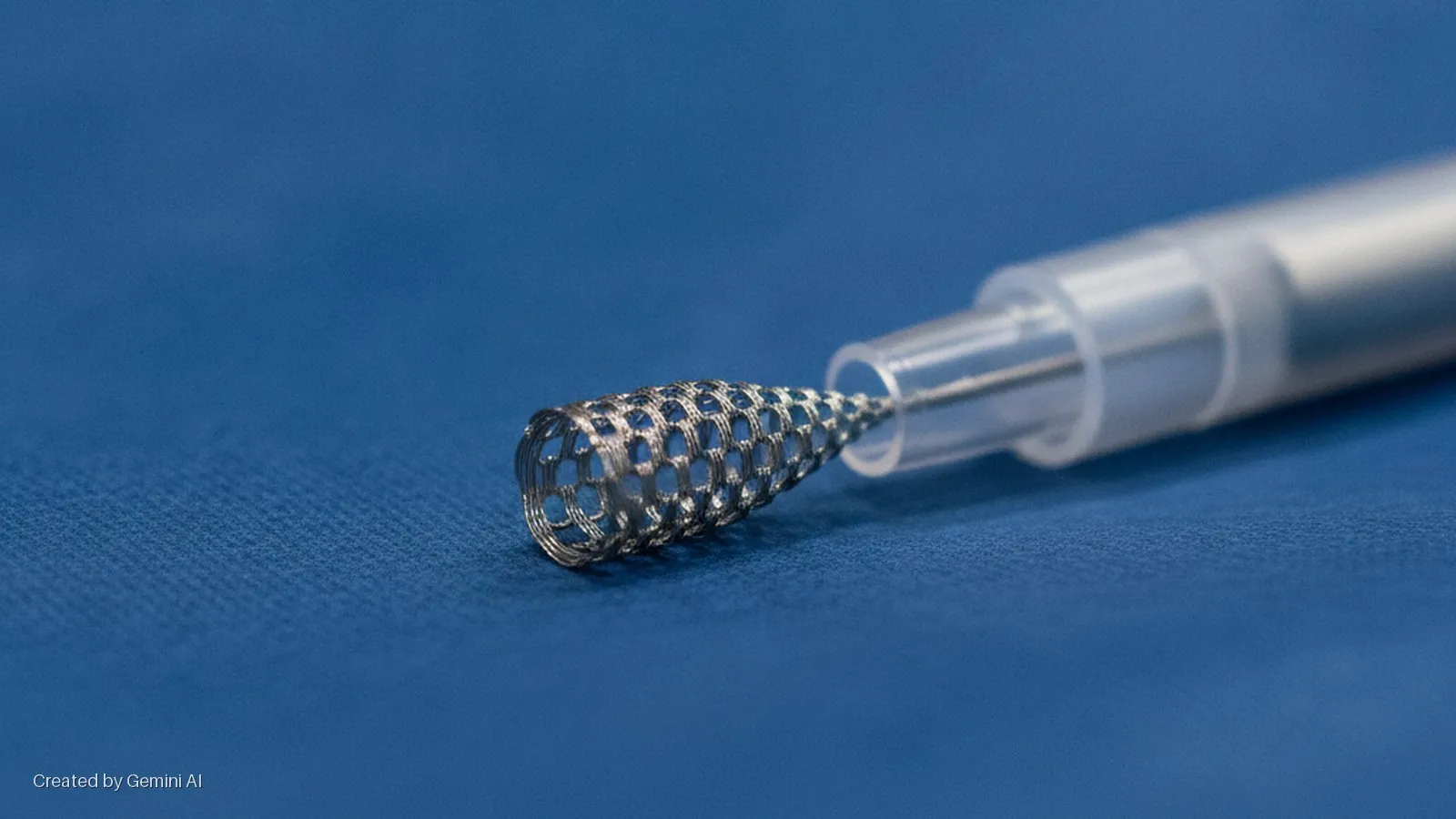
Serenity Medical has received FDA Breakthrough Device Designation for its Serenity Shepherd Stent System, intended to treat severe pulsatile tinnitus by addressing stenosis of the venous sinuses. The Harrison, New York-based neurovascular company said the designation provides prioritised regulatory engagement and an expedited review pathway, accelerating the device's route to clinical development and eventual commercialisation.
Pulsatile tinnitus is a chronic condition in which patients perceive a rhythmic sound synchronised with their heartbeat. Unlike the more common form of tinnitus, which is typically neurological in origin, pulsatile tinnitus in some patients is driven by narrowing of the venous sinuses, creating turbulent blood flow. Published research cited by the company has linked the condition to chronic depression, severe quality-of-life impairment, and elevated suicide risk, underscoring the clinical unmet need.
A second consecutive FDA milestone
The Breakthrough Device Designation follows the FDA's Humanitarian Device Exemption approval of Serenity's River Stent System earlier in 2026 for severe, refractory idiopathic intracranial hypertension (IIH), itself a condition that can cause pulsatile tinnitus as a secondary symptom. The River Stent approval was supported by the River Study, a prospective, open-label, multicentre, single-arm trial published in the Journal of Neurointerventional Surgery in February 2025, which enrolled 39 subjects across five US centres and met its primary safety endpoint at one year.
Pierre Gobin, founder of Serenity Medical and a neurointerventional specialist at Weill-Cornell Medicine, said the two successive milestones demonstrate "the breadth of what this technology can address, ultimately reaching patients desperately needing solutions." Martin Dieck, the company's chairman and managing director of parent investor NeuroTechnology Investors, said Serenity was "positioned to move fast," pointing to the commercial infrastructure provided by portfolio affiliate Radical Catheter Technologies, which handles physician education and procedural support across the NTI neurovascular portfolio.
Market context and competitive landscape
Venous sinus stenting for pulsatile tinnitus and IIH sits at the intersection of interventional neurology and otolaryngology, a niche that has historically been underserved by device developers. Most patients with venous-driven pulsatile tinnitus have had limited options beyond lumbar puncture, shunt surgery, or off-label venoplasty. The Breakthrough Device Designation signals that FDA reviewers consider the Shepherd Stent to address a debilitating condition with no adequately approved alternative, which is the standard threshold for the programme.
Competition in venous sinus stenting is limited, though the regulatory momentum generated by Serenity's River Stent approval could attract interest from larger neurovascular players. Established device groups active in cerebrovascular intervention have the manufacturing and distribution scale that a growth-stage company like Serenity lacks, and any future partnership or acquisition discussion would likely hinge on clinical data from a pivotal tinnitus trial. Serenity has not yet disclosed the design or timeline for that study, and the next key milestone for investors will be its engagement with FDA on a clinical pathway under the expedited review framework the designation now unlocks.
The NTI portfolio connection to Radical Catheter Technologies and Borvo Medical suggests a deliberate strategy of building shared commercial infrastructure across neuro devices, a model that could help Serenity manage launch costs if and when the Shepherd Stent clears a full approval or HDE pathway.