
Alamar Biosciences platform underpins Lancet Neurology lecanemab study

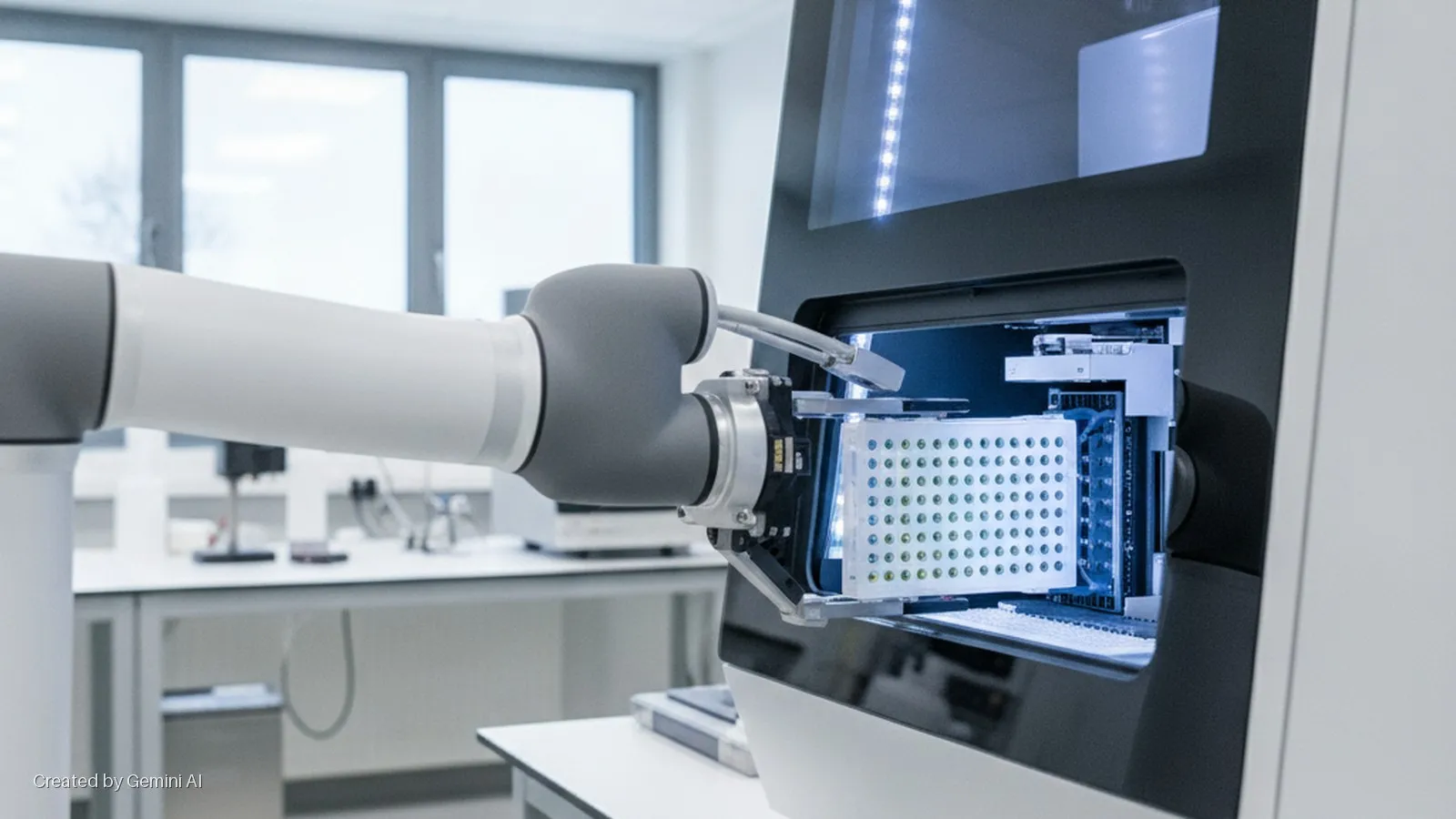
Alamar Biosciences has announced that its NULISAseq CNS 120 proteomics panel was used in a study published in The Lancet Neurology examining real-world biological responses to lecanemab, the anti-amyloid antibody therapy developed by Eisai and Biogen. The study, led by investigators at Washington University School of Medicine in St Louis, is described as the first longitudinal cohort study to evaluate a broad plasma biomarker panel in patients receiving anti-amyloid antibody treatment outside of a controlled trial setting.
The research profiled 2,385 plasma samples from 1,967 participants, including 197 patients receiving lecanemab as part of standard clinical care at the Washington University Memory Diagnostic Center, alongside untreated comparison groups from the Knight Alzheimer Disease Research Center. Each sample required just 25 microlitres of plasma, with the panel simultaneously measuring 130 proteins spanning amyloid and tau pathology, neuroinflammation, neurodegeneration and synaptic function.
What the data showed
Among the 197 treated patients, 34 of the 130 measured biomarkers changed significantly with the number of infusions received, and they did not move uniformly in the same direction. Critically, the proteins associated with amyloid clearance were largely distinct from those linked to subsequent cognitive decline, providing a molecular basis for the inconsistent clinical benefit observed both in this real-world cohort and across prior anti-amyloid trials.
Brain-derived forms of tau were among the strongest discriminators between treated patients and controls. These variants accounted for four of the top five biomarkers before treatment began and at the final infusion stage, consistently outperforming their peripherally circulating equivalents. Detecting brain-derived tau at the very low concentrations present in plasma demands both high specificity and sensitivity, capabilities Alamar positions as central to its NULISA technology.
Carlos Cruchaga, Professor of Psychiatry and director of the NeuroGenomics and Informatics Center at Washington University and co-senior author of the study, said: "Our findings show that Alzheimer's disease and neurodegeneration biomarkers have unique trajectories that capture specific biological processes associated with treatment response."
Market context and competitive landscape
The publication arrives at a pivotal moment for Alzheimer's biomarker diagnostics. Lecanemab and donanemab, Eli Lilly's competing anti-amyloid therapy, both received regulatory approvals in the United States in 2023 and 2024 respectively, and real-world uptake is now beginning to generate the clinical datasets needed to understand heterogeneous patient responses. There is growing pressure from payers and clinicians alike to identify which patients will derive meaningful cognitive benefit, making multiplex plasma proteomics an increasingly relevant tool.
Alamar competes in a proteomics market that also includes Olink Proteomics, acquired by Thermo Fisher Scientific in 2024, and SomaLogic, which merged with Standard BioTools in the same year. The Lancet Neurology publication offers Alamar independent peer-reviewed validation of its platform's sensitivity in a high-profile neurodegeneration context, which carries weight with academic research buyers and could support future positioning in companion diagnostics or clinical monitoring, though no regulatory submission is mentioned in the release.
For the Alzheimer's field more broadly, the study's central finding, that amyloid clearance and cognitive recovery are biologically separable processes, reinforces ongoing debate about the primacy of amyloid as a therapeutic target and underscores the need for richer biomarker frameworks to stratify patients before and during treatment.