
Bexorg wins up to $28.3m ARPA-H award to extend human brain perfusion

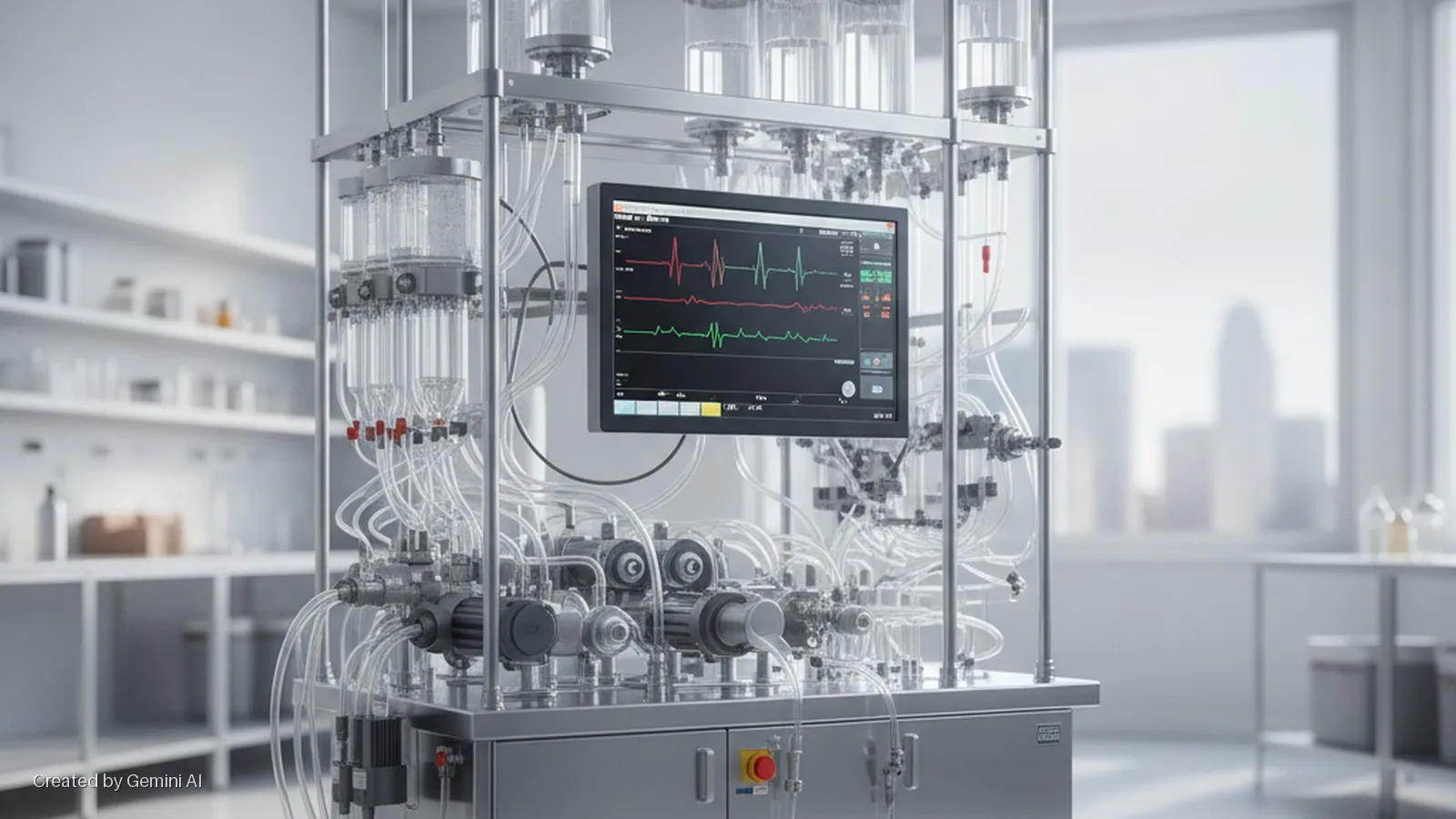
Bexorg has secured up to $28.3 million from the Advanced Research Projects Agency for Health (ARPA-H) to extend the duration of its BrainEx whole human brain perfusion platform from 24 hours to as long as two weeks. The three-phase, 36-month project is designed to open a longer window for longitudinal pharmacology studies in intact postmortem human brains, a capability the Yale University spinout says is not currently achievable in any comparable system.
The funding arrives at a moment of broad institutional scepticism about animal-to-human translation in central nervous system drug development. CNS programmes carry some of the highest clinical attrition rates in the industry, with a large proportion of candidates that show activity in rodent or primate models failing to replicate those effects in humans. Bexorg's premise is that studying drug behaviour directly in human brain tissue reduces that gap before a single patient is dosed.
What the extended platform enables
Under the new programme, Bexorg will validate sustained brain physiology under automated perfusion, assess how biomarkers and drug responses observed in BrainEx align with known clinical outcomes, and run combination therapy studies targeting pathways relevant to Alzheimer's disease and other CNS disorders. The outputs are intended to inform dosing strategies, biomarker selection, and clinical trial design for partnered and in-licensed programmes.
Chief scientific officer Bruce Car said that many disease processes and therapeutic effects unfold over several days and cannot be adequately captured within the current 24-hour window. "Longer perfusion allows us to examine how human CNS pathology and drug responses change over time within the brain's native cellular and vascular architecture," he said. "Linking these observations to longitudinal molecular data will help close the translational gap between preclinical findings and clinical development."
The extended window would also generate richer multi-omics datasets that Bexorg can use to train and refine its NeuroLens AI models and to characterise exposure-response relationships over clinically relevant time courses. These outputs feed alongside data from its NeuroScale brain slice platform, creating what the company describes as an integrated translational engine.
Market context and competitive landscape
ARPA-H, established in 2022 to fund high-risk, high-reward biomedical research, has been increasing its investment in novel preclinical platforms as policymakers and drug developers seek alternatives to animal models. Bexorg's approach is not the only effort in this space: human organoid systems and organ-on-chip technologies are being developed by a number of academic groups and venture-backed companies pursuing improved CNS translational fidelity. However, the use of intact whole human brain tissue, rather than derived or engineered systems, is a comparatively rare approach and one that carries significant bioethical complexity alongside its scientific promise.
The company already has one external validation point: Biohaven's BHV-8100, a therapeutic candidate that used BrainEx data to support a successful investigational new drug filing, is now in a Phase 1 clinical trial. That precedent will carry weight with potential pharma partners evaluating whether to integrate Bexorg's platform into their own CNS pipelines.
Bexorg was co-founded at Yale by Zvonimir Vrselja and Nenad Sestan, and the team has emphasised that its work operates within a rigorous bioethics framework governed by an independent expert board and grounded in donor-consent practices. The ethical dimension is likely to become an increasingly visible part of the company's positioning as the platform scales.