
Spirair publishes six-month Vayu Study data for SeptAlign implant

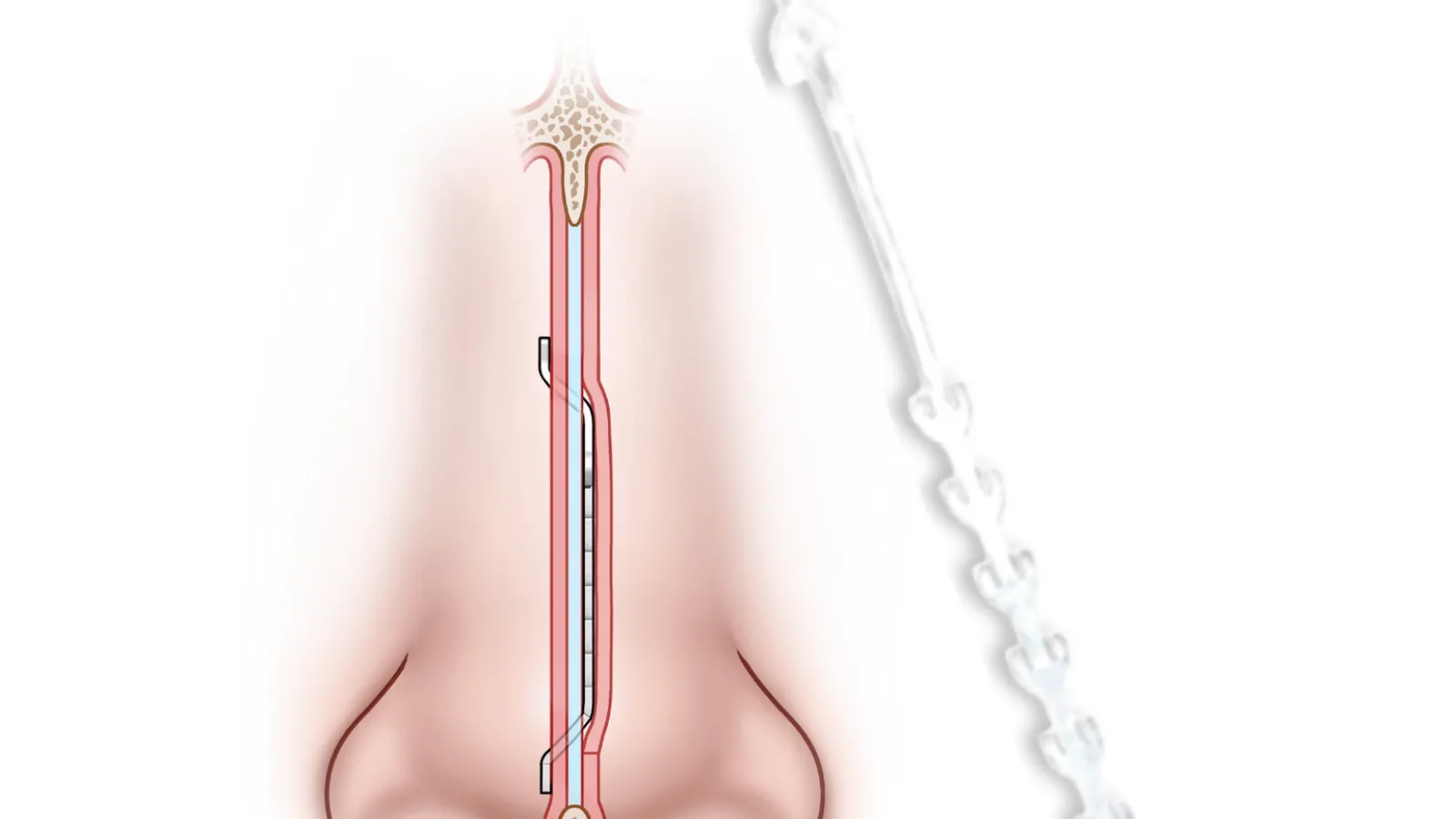
Spirair has announced publication of six-month interim results from the Vayu Study of its SeptAlign device in Laryngoscope Investigative Otolaryngology, reporting substantial symptom improvements in patients treated for cartilaginous nasal septal deviation. The California-based medical technology company said the peer-reviewed manuscript marks a clinical milestone for a product it describes as a less-invasive alternative to conventional septoplasty.
SeptAlign is an FDA-cleared bioresorbable implant that applies mechanical traction to realign the nasal septum without cartilage resection. The implant gradually dissolves, leaving no permanent foreign body in place. Spirair positions this cartilage-preserving approach as addressing a gap in the existing surgical toolkit for anterior septal deviations, which can be technically demanding to correct via traditional open septoplasty.
Clinical findings
The prospective, multicentre study enrolled 80 patients at nine US otolaryngology clinics, of whom 92.5% had moderate-to-severe deviation at baseline. Seventy-five patients with successful implants were followed for outcomes. At six months, mean Nasal Obstruction Symptom Evaluation (NOSE) scores fell 63.2%, from 67.5 to 24.6 (p less than 0.0001), while Sino-Nasal Outcome Test scores dropped from 43.7 to 14.5 (p less than 0.001). Response rates were broadly consistent whether or not inferior turbinate reduction was performed alongside the SeptAlign procedure, which the company says supports flexibility in clinical application.
Recovery metrics were also favourable. Among patients who took any time off work, the median return was one day, and 46.3% of procedures were performed in a physician's office under local anaesthesia rather than in an operating room. At three months, 97.2% of patients said they would recommend the procedure to others.
Thomas Higgins, lead author of the study and a named otolaryngologist, said the durability of symptom relief was the most encouraging finding: "Patients continue to experience relief at six months, even after the implant has safely dissolved, demonstrating that the corrected septum now maintains its own structural integrity."
No serious adverse events were recorded. Procedure- or device-related adverse events occurred in 7.5% of patients and were characterised as mild or moderate, including fever, adenopathy, and lightheadedness.
Market context and next steps
The septoplasty market is dominated by conventional surgical approaches performed under general anaesthesia, with recovery periods that typically sideline patients for one to two weeks. A growing range of in-office ENT procedures has emerged over the past decade, including balloon sinuplasty and, more recently, implant-based septal correction. Spirair's SeptAlign competes in this office-based segment, where the clinical and economic argument centres on reduced anaesthesia risk, lower facility costs, and faster patient recovery.
The Vayu Study remains ongoing; the six-month results are an interim analysis of a planned 24-month follow-up. Crucially, the study is observational and lacks a randomised control arm, meaning direct comparison with conventional septoplasty efficacy is not supported by the current dataset. Longer-term data, particularly on symptom durability and any delayed device-related sequelae, will be needed before the broader otolaryngology community can draw firm conclusions. Spirair was founded in 2020 by two Stanford Biodesign Innovation Fellows and has not disclosed its funding status or commercial distribution partners in this announcement.