
UAE biopharma push targets double-digit precision medicine growth

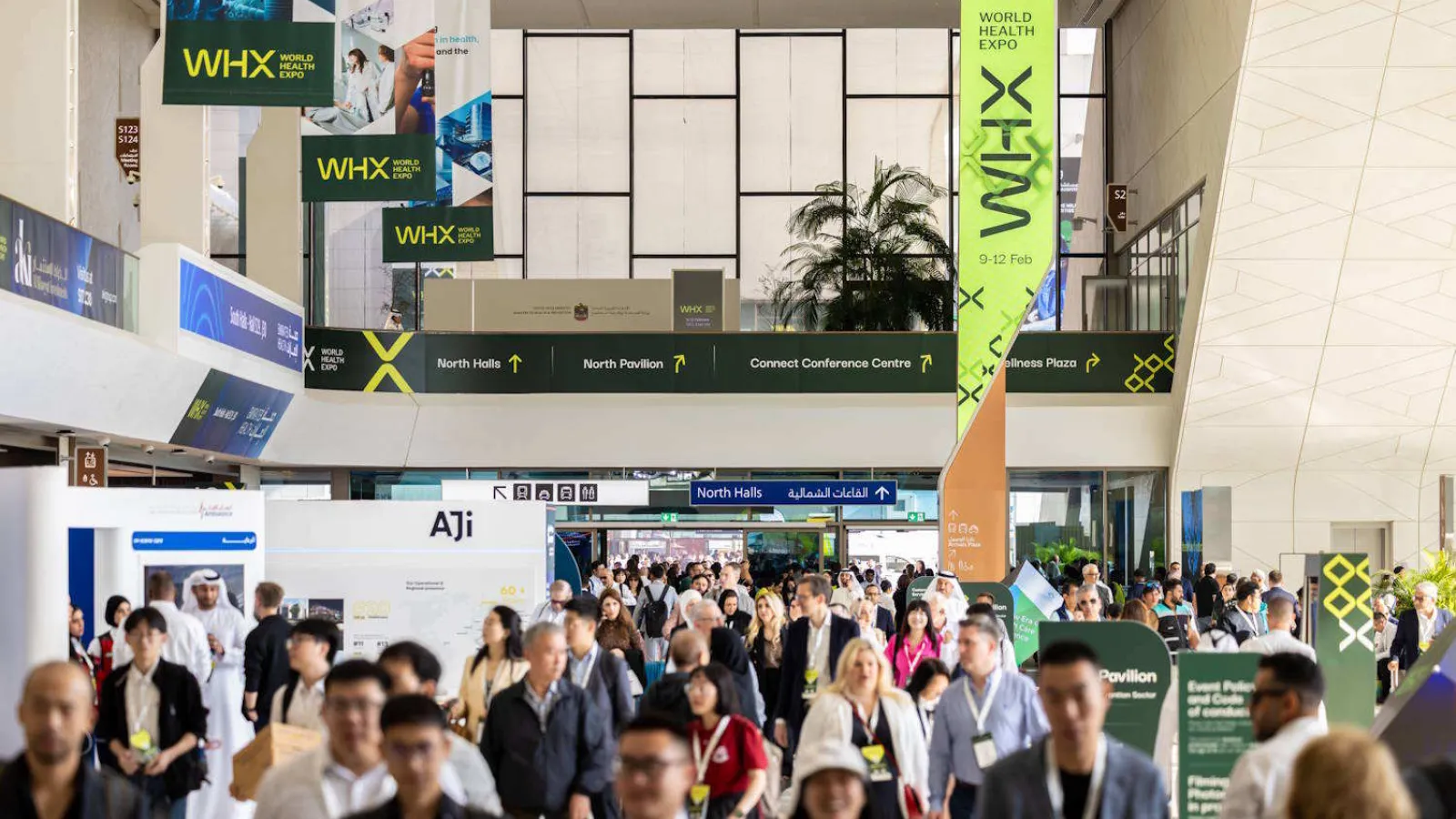
The UAE is positioning itself as a regional anchor for biopharma development, with a Frost & Sullivan analysis commissioned by the World Health Expo (WHX) projecting annual growth of more than 10% in Middle East precision medicine over the next five to seven years. The report, titled "From Discovery to Delivery: Technologies Reshaping the Future of Biopharma Globally," points to national genomics programmes, AI-assisted drug discovery, and manufacturing localisation as the structural pillars of this ambition.
The Middle East and Africa pharmaceuticals market is valued at approximately $58.66 billion in 2025, representing around 3.6% of the global total. Frost & Sullivan positions the UAE, in particular, as a market moving from technology adoption toward indigenous research and manufacturing capability, a transition it expects to gather pace as local patient and genomic datasets expand.
Building the infrastructure
Two state-backed initiatives dominate the report's assessment of UAE readiness. The Emirates Genome Programme is targeting collection of one million genetic samples nationally, while a parallel UAE Reference Genome study is processing more than 50,000 genomic samples to underpin disease prevention, precision therapies, and health research.
The Abu Dhabi Health, Medicine, and Wellness for Sustainable Living Complex, known as HELM, is projected to attract over AED 42 billion (approximately $11.5 billion) in investment and contribute more than AED 94 billion ($25.6 billion) to Abu Dhabi's GDP by 2045, while creating around 30,000 jobs. The complex spans biotechnology, pharmaceutical manufacturing, genomics, and AI, reflecting an intent to participate across the full biopharma value chain rather than at a single point.
On the manufacturing side, Mubadala Bio launched in 2025 with a focus on domestic pharmaceutical production and logistics. At a regional level, Livera is exploring local production of GLP-1-based therapies for diabetes and obesity in Saudi Arabia under an agreement with Novo Nordisk, a sign that advanced-therapy manufacturing ambitions are spreading beyond the UAE.
AI and the competitive landscape
Frost & Sullivan notes that more than 40 AI-discovered drug candidates have already entered clinical trials globally. The UAE is claiming a foothold in this space: in 2025, Insilico Medicine's Abu Dhabi centre nominated the country's first AI-discovered drug candidates, targeting oncology and non-opioid pain, with the full discovery cycle completed in under 12 months. A June 2026 partnership between Abu Dhabi Health Services and Boehringer Ingelheim is intended to leverage the emirate's growing genomics infrastructure to drive precision medicine research further.
Arti Chitaley, head of healthcare and life sciences growth analytics at Frost & Sullivan, said the region is laying the foundations for a more integrated biopharma model in which precision medicine, AI, and advanced manufacturing reinforce each other across the drug development cycle.
The competitive context matters here. Several Gulf states, including Saudi Arabia through Vision 2030, are simultaneously pursuing pharmaceutical localisation and health-tech investment, meaning UAE entities will need to differentiate on talent, regulatory environment, and the depth of their genomic datasets to sustain any first-mover advantage. The MENA region's relatively young demographic profile and distinct population genetics also represent a potential research asset that global pharma partners have been slow to fully exploit, though the Boehringer collaboration suggests that is beginning to change.
The WHX report's publication coincides with the expo's announcement of a new biopharma zone at its January 2027 edition in Dubai, intended to connect manufacturers, contract development and manufacturing organisations, and technology providers with buyers and investors. The event is scheduled for 25 to 28 January 2027 at Dubai Exhibition Centre and the Dubai World Trade Centre.