
Rad Source launches Sterile Insect Farms division for mosquito control

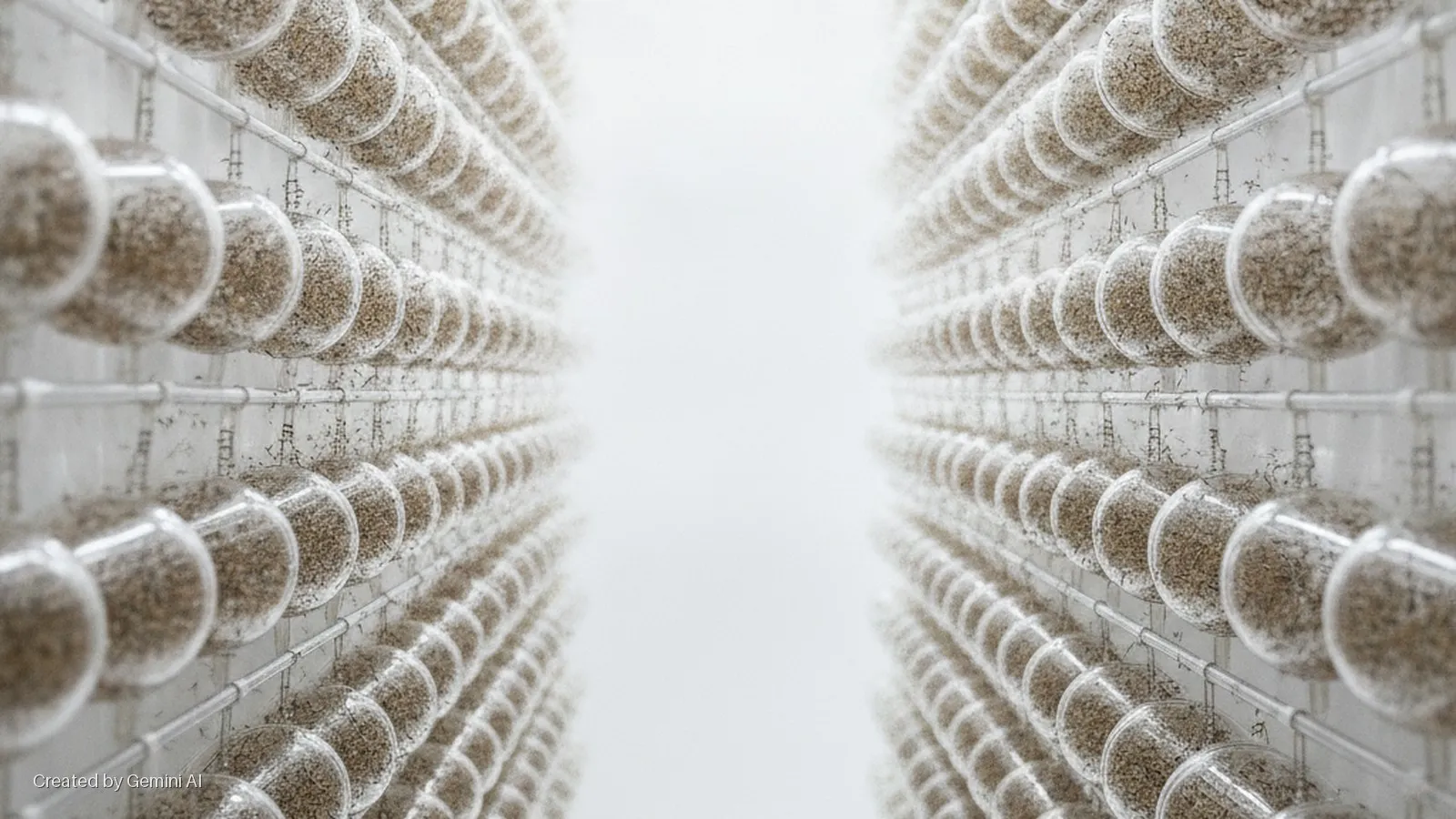
Rad Source Technologies, a Georgia-based manufacturer of X-ray irradiation systems, has established a new commercial division called Sterile Insect Farms, offering sterilised male Aedes aegypti mosquitoes for sale to mosquito control districts and public health organisations across the United States and beyond.
The division applies the Sterile Insect Technique (SIT), a population suppression method in which male insects are irradiated to render them infertile before release. When sterile males mate with wild females, the resulting eggs fail to hatch, gradually driving down the local mosquito population without the use of chemical insecticides. Aedes aegypti is the primary vector for dengue, Zika, chikungunya, and yellow fever, making it a priority target for public health intervention globally.
Field evidence
Rad Source's irradiation systems have already underpinned several real-world SIT programmes with documented results. Between 2020 and 2022, Lee County Mosquito Control District in Florida released more than 24 million sterile males produced using Rad Source's RS 2400 irradiator, achieving a reduction in wild mosquito populations of up to 79%, according to a study published on bioRxiv. In Southern California, the West Valley Mosquito and Vector Control District ran a year-long programme releasing over 106,000 sterile males, cutting mosquito numbers by up to 65% at treated sites and reducing resident service requests by 45%, as reported in the journal Insects. A field trial in Havana, Cuba, released approximately 1.27 million sterile males over 20 weeks, with monitoring traps in the treated area showing no eggs in the programme's final weeks.
Jackson Mosley, Mosquito Control Director for Polk County, said the approach delivered "up to 80-100% reduction" in population compared with traditional methods, adding that community acceptance was high given the absence of chemical spraying.
George Terry, executive vice president at Rad Source, described SIT as having "more than 70 years of proven use across agricultural and public health programs," and said the new division is intended to lower the barrier to adoption for districts that previously lacked access to a reliable supply of sterilised insects.
Market context
SIT is not the only non-chemical approach competing for attention in the vector control market. Wolbachia-based programmes, in which mosquitoes are infected with a naturally occurring bacterium that suppresses viral replication or reduces fertility, have been deployed at scale by the World Mosquito Program in more than a dozen countries. Oxitec, a UK-origin company now operating in the United States, has pursued genetically modified sterile male releases, though its regulatory path in the US has drawn local opposition and close scrutiny from the Environmental Protection Agency.
SIT using radiation sterilisation occupies a distinct regulatory position: because no genetic modification is involved, programmes typically face fewer statutory hurdles at state and local level. That distinction may prove commercially advantageous for Rad Source as mosquito control districts weigh procurement options.
The global vector control market is expanding as climate change extends the geographic range of Aedes mosquitoes into higher latitudes in Europe and North America, broadening the potential customer base for all non-chemical approaches. Rad Source has not disclosed pricing or contract terms for Sterile Insect Farms, but says the division is now open for enquiries.