
Medicus Pharma selects 200 µg SkinJect dose after Phase 2 BCC readout

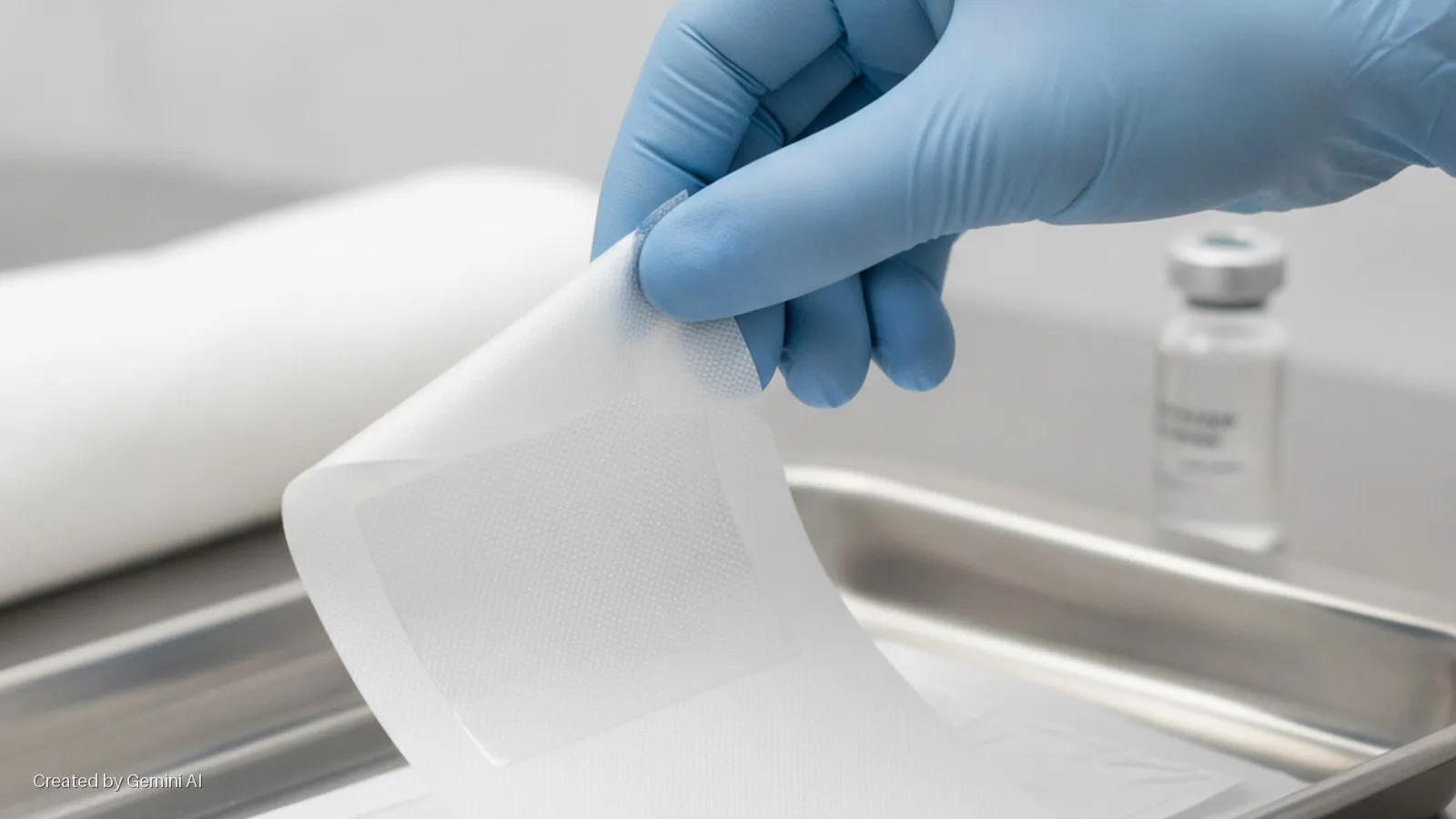
Medicus Pharma has published an abridged Clinical Study Report (CSR) for its SkinJect microneedle patch programme, formally identifying the 200 µg dose as the lead candidate for further development following a completed randomised, double-blind Phase 2 trial in nodular basal cell carcinoma.
The SKNJCT-003 study enrolled 90 patients across ten US sites, evaluating two SkinJect dose levels against a device-only microneedle comparator. All 90 participants completed the study with no treatment discontinuations or withdrawals, giving the company what it describes as a complete efficacy and safety dataset. The CSR has been posted publicly on ClinicalTrials.gov under trial identifier NCT06608238.
Phase 2 findings and next steps
Beyond confirming dose selection, the completed programme defined several design parameters that Medicus says will shape the next pivotal study. These include adoption of a composite complete-response endpoint combining clinical and histological clearance, a later primary efficacy assessment to capture continued improvement over longer follow-up, and a switch from the biologically active comparator used in SKNJCT-003 to a non-penetrating sham control intended to isolate SkinJect's pharmacological contribution more cleanly.
Faisal Mehmud, Chief Medical Officer of Medicus, said the Phase 2 data provided "the clinical information needed to define the next stage of development, including selection of the 200-mcg dose, continued improvement in clinical and histological clearance with longer follow-up, a favorable safety profile and important learnings around study design and assessment timing."
The company is now pivoting its primary development focus toward Gorlin syndrome, a rare autosomal dominant condition in which patients can develop numerous basal cell carcinoma lesions over a lifetime and typically require repeated procedures. Medicus estimates approximately 11,000 Gorlin syndrome patients in the United States have active BCC, generating roughly 50,000 associated procedures annually. The FDA has issued a "Study May Proceed" letter authorising initiation of SKNJCT-005, an NDA-enabling Phase 2b study in Gorlin syndrome patients, which is designed to enrol up to 50 participants.
Medicus has applied to the FDA for Orphan Drug Designation and Rare Pediatric Disease designation for SkinJect in Gorlin syndrome. If granted, these could unlock orphan drug incentives and potential eligibility for a Rare Pediatric Disease Priority Review Voucher, a transferable asset that has attracted significant secondary-market interest from larger pharmaceutical buyers in recent years.
Commercial estimates and competitive landscape
A company-commissioned commercial assessment modelled rare-disease-anchored net pricing of approximately $25,800 per treatment, an implied US total addressable market of around $1.1 billion, and potential peak US revenue of approximately $383 million. Medicus acknowledges these figures are non-risk-adjusted and contingent on successful development, regulatory approval, reimbursement, and commercial uptake.
The broader non-melanoma skin cancer space is actively contested. Approved systemic options for BCC, including the Hedgehog pathway inhibitors vismodegib and sonidegib, carry tolerability challenges that can limit long-term use, and localised delivery approaches like SkinJect are being positioned as a way to avoid systemic exposure. Gorlin syndrome, as an orphan indication, offers a potentially cleaner regulatory pathway and a more concentrated prescriber base than sporadic BCC, which explains Medicus's decision to prioritise it ahead of the larger but more competitive nodular BCC market.
For nodular BCC, Medicus is pursuing a partnership model rather than self-funding a registrational programme. The company says it will make available the SKNJCT-003 dataset and the Phase 2 learnings to support potential strategic partners who wish to advance SkinJect in that broader indication. Full results have been submitted to an international scientific congress and a peer-reviewed journal, though acceptance is not guaranteed.