
Candel reports durable immune remodelling data for aglatimagene

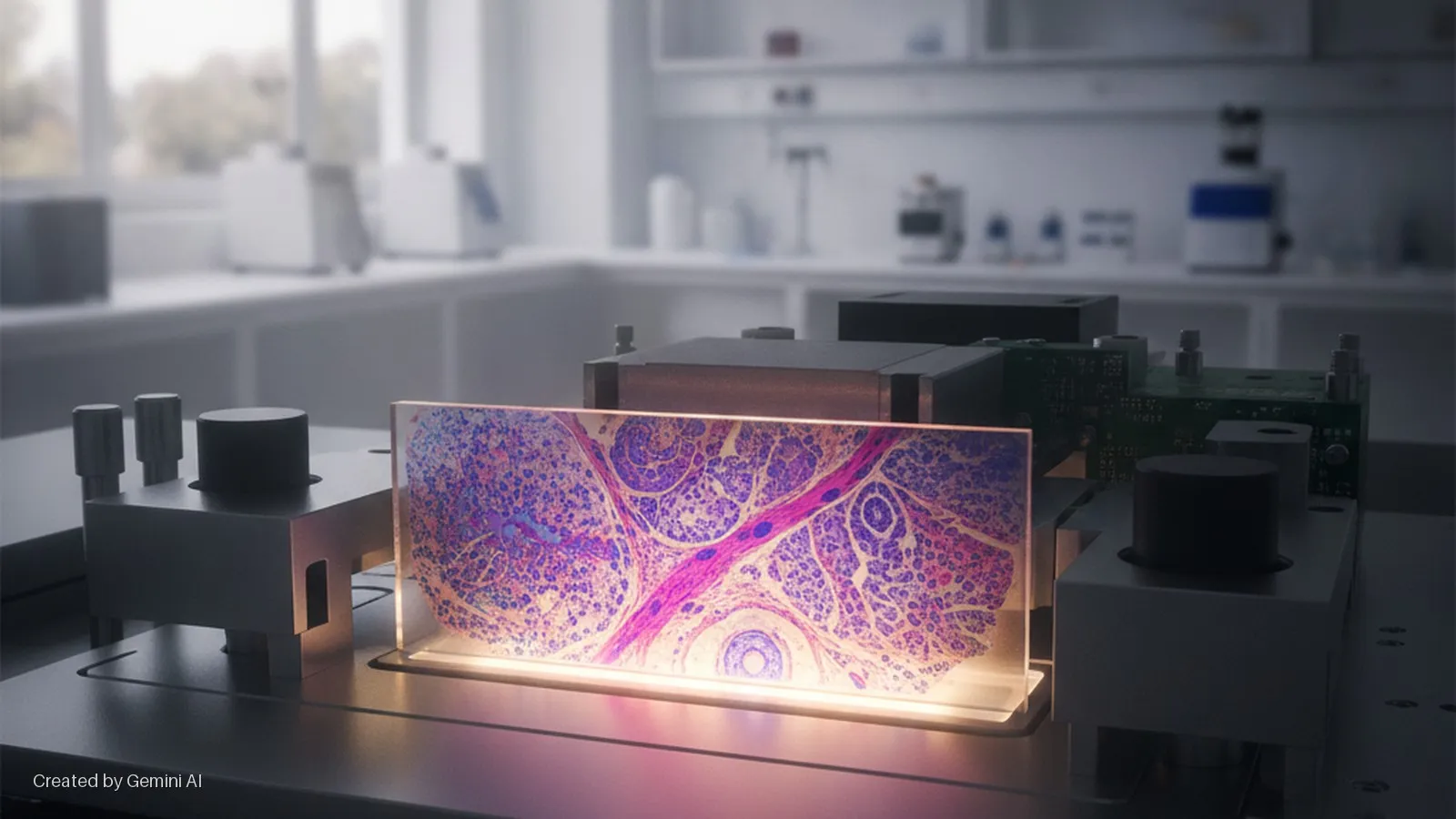
Candel Therapeutics has presented new biomarker data at the American Society for Radiation Oncology (ASTRO) Annual Meeting 2026, showing that its lead immunotherapy candidate aglatimagene besadenovec produced durable immune remodelling in patients with localised intermediate- to high-risk prostate cancer more than two years after treatment.
The analysis drew on digitised biopsy samples from 647 patients who completed a three-injection course in Candel's randomised, placebo-controlled phase 3 study (NCT01436968). Using AI-enabled digital pathology on 622 pre-treatment and 427 post-treatment biopsies, Candel found that aglatimagene plus external beam radiation therapy (EBRT) significantly increased overall intratumoral lymphocyte infiltration compared with placebo plus EBRT (p=0.048). In the subset of patients with residual tumour (n=108), aglatimagene showed statistically significant improvements across three distinct immune metrics: intratumoral lymphocyte fraction (p=0.006), lymphocyte-tumour enrichment (p=0.003), and lymphocyte-tumour mixing (p<0.001).
Trial context
Candel had previously reported that 80% of evaluable aglatimagene patients had negative prostate biopsies two years after treatment, compared with 63% of control patients (p=0.0018). The new data provide a mechanistic layer to those earlier clinical findings, suggesting that the immunotherapy generates a qualitatively different immune response from radiation alone rather than merely amplifying a shared effect.
Francesca Barone, Chief Scientific Officer at Candel, said the sustained lymphocyte-tumour engagement observed "supports durable immune remodelling rather than transient inflammation," and may help explain the disease-free survival improvements reported in the phase 3 readout. Chief executive Paul Peter Tak added that the convergence of sustained immune remodelling, improved pathologic response, and disease-free survival data provided "a compelling and coherent picture" of aglatimagene's activity as the company advances towards a planned Biologics Licence Application (BLA) submission.
Aglatimagene works by delivering the herpes simplex virus thymidine kinase gene intratumorally via a replication-defective adenovirus. The resulting enzyme activity converts a prodrug into DNA-incorporating nucleotide analogues, triggering immunogenic cell death and the release of tumour neoantigens, while the adenoviral capsid proteins drive local inflammation. The combination is intended to prime a CD8+ T cell response against both injected and distant tumour sites.
Regulatory path and competitive landscape
Aglatimagene holds FDA Fast Track Designation and Regenerative Medicine Advanced Therapy (RMAT) Designation for newly diagnosed localised prostate cancer with intermediate- to high-risk disease, providing an accelerated regulatory dialogue pathway ahead of the planned BLA. The RMAT designation in particular signals FDA's assessment that the therapy may offer a substantial improvement over existing options, though approval is not guaranteed and full BLA review criteria remain to be met.
The localised prostate cancer space has historically proven difficult for novel agents, where active surveillance, surgery, and radiotherapy dominate standard of care. Candel's oncolytic and gene-based immunotherapy approach sits alongside a broader wave of in situ tumour immunisation strategies in solid oncology, several of which are in mid- to late-stage trials from companies including Imvax and PTC Therapeutics' viral vector programmes. What distinguishes the aglatimagene dataset is the combination of a completed, placebo-controlled phase 3 trial published in The Lancet Oncology and now a mechanistic biomarker readout using AI-assisted pathology, which together provide an unusually complete evidentiary package for a BLA filing. Investors will focus on the submission timeline and whether Candel has the balance-sheet depth to carry the programme through regulatory review without a partnership.