
Humacyte wins FDA nod to extend Symvess shelf life to 36 months

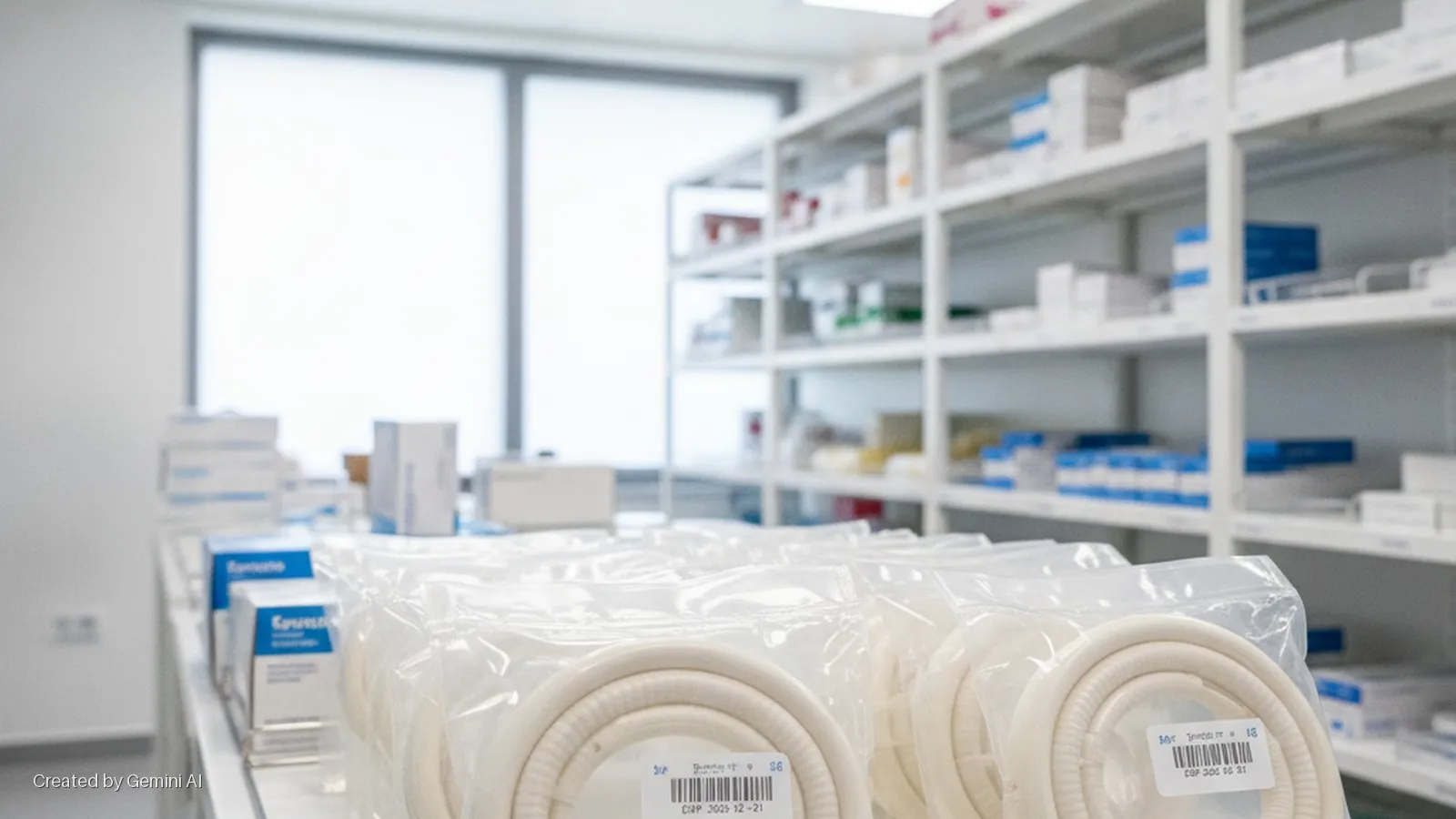
Humacyte has secured FDA authorisation to extend the expiration dating for Symvess, its acellular tissue engineered vessel (ATEV), from 18 months to 36 months under standard refrigerated storage conditions. The Durham, North Carolina company said the extension is underpinned by additional stability data confirming that Symvess continues to meet all established product quality specifications at the 36-month mark.
The practical effect is meaningful for hospital procurement teams. Trauma and vascular surgery departments must keep Symvess on hand for emergencies, but the original 18-month dating created relatively tight inventory cycles. Doubling that window reduces the frequency of stock rotation, lowers the risk of product write-off, and makes it easier for smaller hospitals to justify stocking the product at all.
What Symvess does
Symvess received FDA approval in December 2024 as a vascular conduit for adults with extremity arterial injury requiring urgent revascularisation where autologous vein harvest is not feasible. The product is positioned as an off-the-shelf alternative to the conventional approach of harvesting a vein segment from the patient, which adds operative time and creates a second surgical wound in patients who are often already critically injured.
Laura Niklason, founder, president and chief executive of Humacyte, said the extended shelf life "provides greater inventory flexibility while maintaining the same storage requirements and approved clinical use," and that the change should "further facilitate hospital adoption."
The approval also carries important safety context. Symvess carries a boxed warning for graft failure, including the risk of life-threatening haemorrhage from mid-graft rupture or anastomotic failure. The most common adverse reactions reported in clinical trials were vascular graft thrombosis, pyrexia and pain. Patients require ongoing antiplatelet therapy post-implantation, which is a contraindication consideration for some trauma populations.
Regulatory and commercial outlook
Beyond the shelf-life extension, Humacyte is preparing for its next regulatory milestone: the company expects to file a supplemental Biologics Licence Application in November 2026 seeking approval of a second indication, arteriovenous access for haemodialysis patients. The 6mm ATEV used in that programme holds both the FDA's Regenerative Medicine Advanced Therapy designation and Fast Track status, placing it among the more highly incentivised development programmes in the biologics pipeline.
The bioengineered vessel space sits at the intersection of biologics and medical devices, and Symvess occupies a relatively uncrowded niche. Conventional synthetic grafts made from expanded polytetrafluoroethylene are widely available but carry known limitations in infection risk and long-term patency. Decellularised and bioengineered alternatives have attracted research interest for years, but commercial products remain scarce. The combination of an approved trauma indication, a pipeline spanning dialysis access, peripheral artery disease and early-stage work in coronary bypass and paediatric cardiac surgery, makes Humacyte one of the more diversified plays in the segment, even at this early commercial stage.
For investors, the shelf-life extension is incremental rather than transformative, but it removes a practical barrier to hospital formulary adoption that could have modestly slowed uptake. The more significant near-term catalyst remains the sNDA filing for dialysis access, where a positive decision would open a substantially larger addressable patient population than the trauma indication alone.